



The Golden Rules of Portion Planning
Planning an Indian festive meal is a balancing act. With so many delicious dishes, from starters to sweets, it's easy to over or underestimate. The key is to think in terms of 'per person' quantities for each course. A typical Indian meal is not about
one large main dish, but a variety of smaller ones served together. As a general principle, aim for a total of 550-650 grams of food per adult across the entire spread. Also, consider the nature of your event. A formal dinner might see heartier appetites than a casual afternoon lunch where guests mingle more. For a mixed crowd, a 60/40 split between non-vegetarian and vegetarian main dishes is a safe bet, ensuring you have at least one popular vegetarian and one vegan option available.
Starters and Appetisers: The First Impression
Appetisers are meant to whet the appetite, not replace the meal. Whether you're serving crispy samosas, paneer tikka, or flavourful pakoras, a good rule of thumb is to plan for 2 to 4 pieces per person. If appetisers are the main event, such as for a high-tea or a shorter party, you can increase this to 4 to 6 bites per guest for every hour of the event. For a standard three-course dinner, sticking to the lower end of the range prevents guests from filling up before the main event arrives. For a party of 10, this means preparing around 30 to 40 individual starter pieces in total.
The Main Course: Curries, Dals, and Sabzis
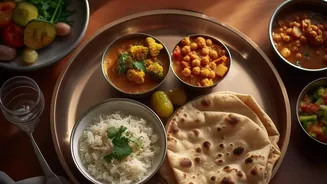
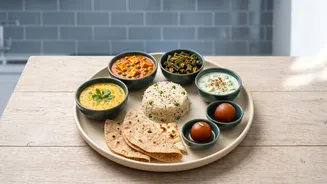
The heart of the feast is the main course. When serving multiple dishes, you don't need a full portion of each for every guest. Instead, you're providing variety. Plan for about 1.5 servings of curry per person, distributed across the different dishes you offer. For example, if you have 20 guests and are serving three main dishes (e.g., a dal, a paneer curry, and a chicken korma), you don't need 20 servings of each. A more accurate calculation is to prepare about 150 grams of each vegetable dish (sabzi) per guest and about 180 ml of dal per person. For a party of 10, this translates to roughly 2 to 2.5 litres of total curry. This ensures there's plenty to go around as guests sample a bit of everything.
Grains and Breads: Rice and Rotis
Rice and breads are essential accompaniments that complete the meal. For plain rice (like basmati) served alongside other breads, plan for about 120 grams of uncooked rice per guest. If a biryani or pulao is a central feature of the meal, you might increase that amount slightly. When it comes to breads like naan, roti, or paratha, they tend to disappear quickly. A safe estimate is 1.5 to 2 pieces per person. Many hosts find they have leftover carbs because guests often choose either rice or bread, but not always both. So, for 20 guests, planning for 30-40 naans or rotis is a generous but realistic amount.
Desserts and Accompaniments
No festive meal is complete without a sweet finish. For portion-sized desserts like gulab jamun, rasmalai, or ladoos, plan for one to two pieces per person. If you're serving a richer, heavier dessert like gajar ka halwa or kheer, a serving of about 80 grams per person is sufficient. Don't forget the accompaniments that tie the meal together. For raita or yogurt, about 80 grams per person is a good measure. Pickles and chutneys are used more sparingly, so a small bowl of each on the table is usually enough for everyone to share. By planning each element, you create a balanced and generous feast without being left with unmanageable leftovers.