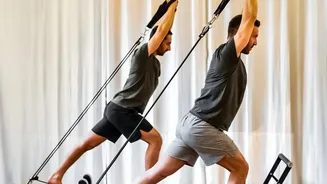

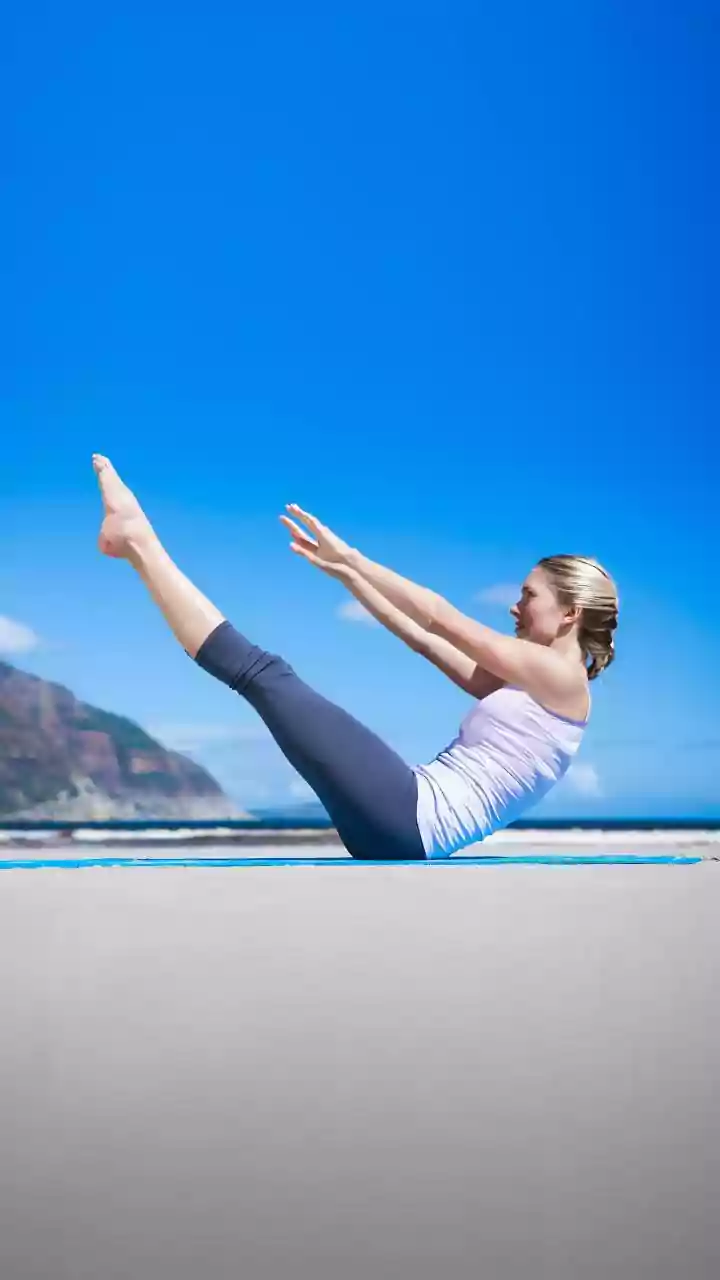


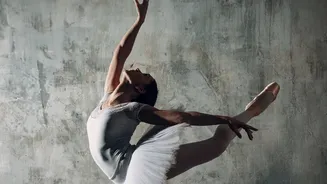
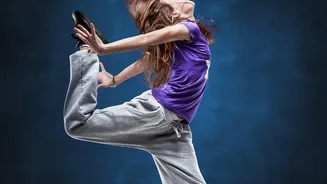
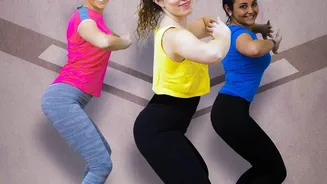
In the crowded world of group fitness, two classes often stand out: Zumba and Barre. Both promise a great workout, but they deliver it in fundamentally different ways. One is a dance party, the other is about precision and control.
The Core Philosophy: Joyful Cardio vs. Mindful Strength
At its heart, Zumba
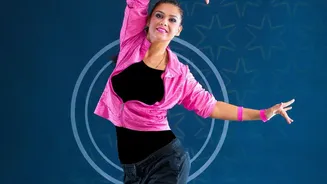
is a Latin-inspired dance fitness program that feels more like a party than a workout. Created in the 1990s, its philosophy is simple: get fit while having fun. The class is driven by upbeat international rhythms, and the primary goal is to keep moving, elevate your heart rate, and break a sweat in a high-energy, social atmosphere. Perfection is not the goal; participation and enjoyment are. Barre, on the other hand, is a workout method inspired by ballet, Pilates, and yoga. It’s a low-impact but high-intensity session focused on muscular endurance. The philosophy here is about precision and control. Barre uses small, targeted movements, isometric holds (where you contract a muscle without moving), and high repetitions to fatigue muscles. It’s a more internally focused and structured workout that emphasizes form, posture, and creating long, lean muscle tone.
The Class Experience: What to Expect
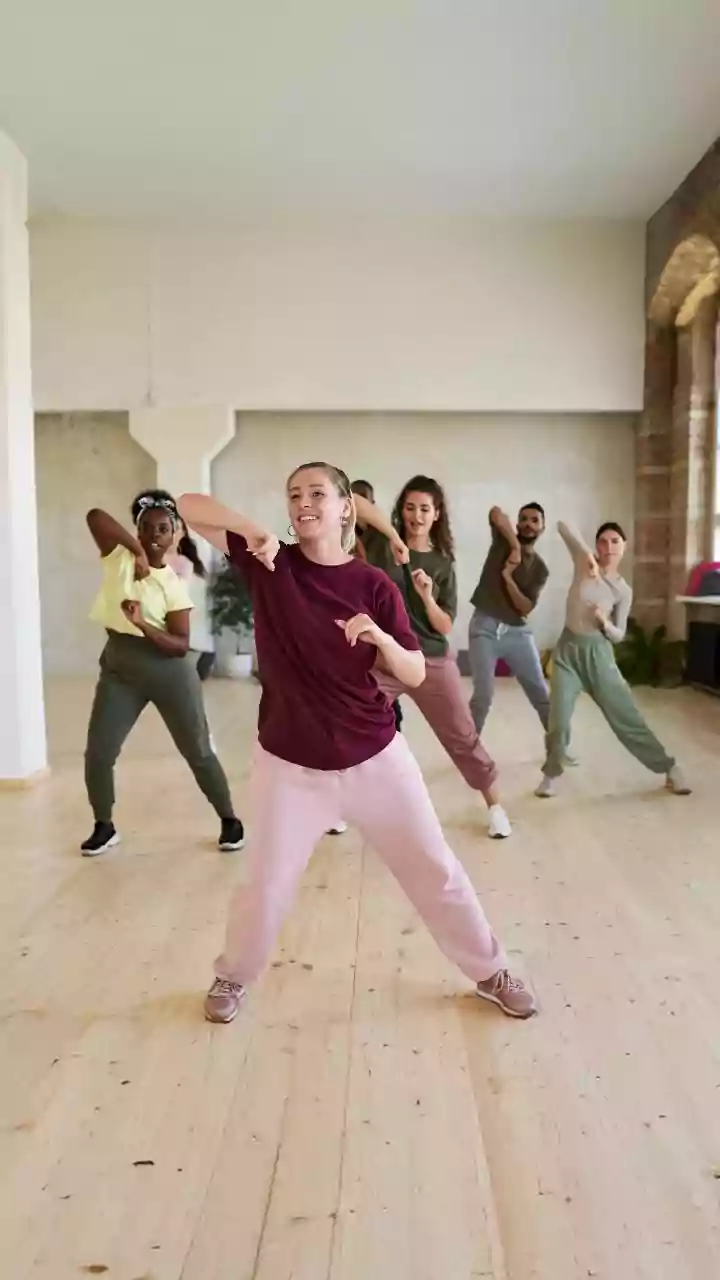
A typical hour-long Zumba class involves a warm-up, followed by a series of choreographed dance routines set to different songs, and a final cool-down. Instructors often use non-verbal cues to guide the class through moves inspired by salsa, merengue, reggaeton, and hip-hop. The vibe is energetic and communal, with less focus on perfect technique and more on catching the rhythm and having a good time. You don't need any dance experience to join.
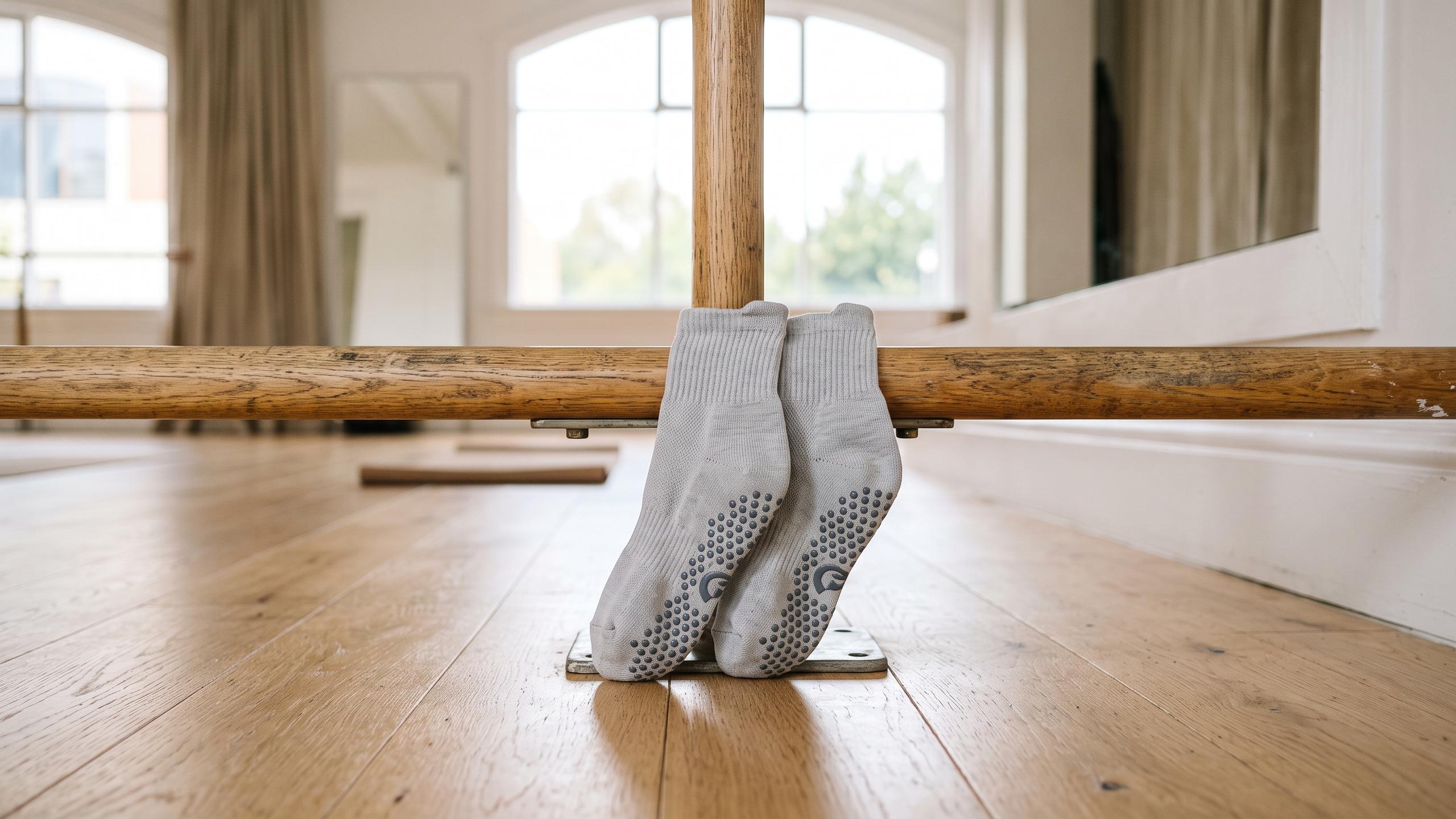
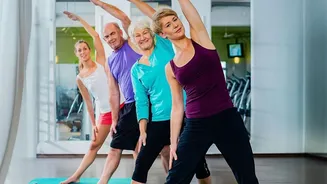
A Barre class, also usually lasting around an hour, is more structured. It often starts with a mat-based warm-up and some upper-body work using light hand weights. The majority of the class happens at the ballet barre, where you perform exercises that target the thighs, glutes, and core. Expect lots of pliés, leg lifts, and tiny pulses designed to make your muscles 'shake'—a sign of muscle fatigue and a hallmark of the workout. The class ends with core work on the mat and deep stretching. Like Zumba, it's beginner-friendly, with instructors offering modifications to adjust the intensity.
The Workout: Cardio Burn vs. Strength and Stability
The physical challenge of each workout is distinct. Zumba is fundamentally a cardiovascular workout. It’s based on interval training, alternating between high- and low-intensity dance sequences to keep your heart rate elevated. This makes it excellent for improving cardiovascular endurance and burning calories. An average class can burn anywhere from 300 to 900 calories, depending on factors like intensity, body weight, and fitness level.
Barre is primarily a strength and toning workout. The small, controlled movements and isometric holds build muscular endurance and target stabilizer muscles often missed in other workouts. While you will elevate your heart rate, the focus is less on sustained cardio and more on creating muscle definition and improving posture and flexibility. The calorie burn is generally lower than Zumba, but the practice can boost your metabolism over time by building lean muscle mass.
The Results: Who Is It For?
Choosing between Zumba and Barre depends entirely on your personal fitness goals and what you enjoy.
Choose Zumba if:
- Your primary goal is weight loss or improving cardiovascular health.
- You love dancing and high-energy music.
- You're looking for a fun, stress-relieving workout that feels like a social event.
- You get bored easily and want a class where no two songs feel the same.
Choose Barre if:
- Your goal is to build long, lean muscles and improve your posture.
- You want to increase your flexibility and core strength.
- You prefer low-impact workouts that are gentle on the joints.
- You enjoy a more focused, disciplined workout environment where you can concentrate on your form.