





Why Your Daily Uniform Is the Key
It sounds counterintuitive. To prepare for celebrations filled with sparkle and tradition, why would you start with the simple kurta or comfortable jeans you wear on repeat? The answer is data. Your most-worn items are the truest reflection of your personal
style, comfort priorities, and lifestyle. They are the pieces you reach for without thinking, which means they hold the formula for what makes you feel good. Analysing them reveals your preferences for certain fits, fabrics, and colours. This self-awareness is the foundation of smart shopping. Instead of buying a trendy but uncomfortable festive outfit that will be worn once, you can invest in pieces that genuinely align with your core style, ensuring they have a life beyond one event.
How to Conduct a 'Most-Worn' Audit
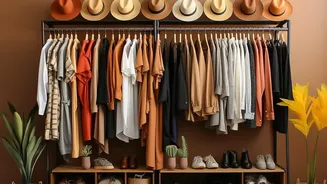
This isn't about emptying your entire closet onto the bed. Instead, pull out only your top 10 to 15 most-worn garments. This should take just a few minutes. Now, look at this curated collection and ask some simple questions. What do these items have in common? Is it the soft cotton fabric, the relaxed silhouette, the neutral colour palette that pairs with anything? Perhaps you gravitate towards a specific neckline or sleeve length. Note these patterns. This collection is your personal style blueprint. It tells you that, regardless of trends, you value comfort, versatility, or a particular aesthetic. This is invaluable information for any future purchase, festive or otherwise.
Bridging the Gap to Festive Wear
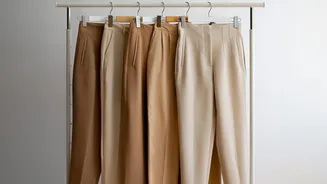
Once you understand the DNA of your everyday style, you can apply it to your festive shopping. Love the feel of breathable cotton? Look for festive pieces in high-quality handlooms like Chanderi or fine mulmul. Do you live in straight-leg trousers? Consider investing in a beautifully tailored pair in raw silk that can be dressed up with an embellished top or down with a simple kurta. The goal is to build a wardrobe where pieces can be mixed and matched. A festive dupatta can elevate a simple daily kurta, and a statement blouse bought for a wedding can be paired with your favourite jeans for a night out. This approach makes your wardrobe more versatile and sustainable.
Identifying Your True Wardrobe Needs
The audit also shines a light on what’s missing. Maybe you realise all your favourite tops are casual. This highlights a clear gap: you need a few dressier, yet comfortable, tops to pair with skirts or sarees. Or perhaps you see that you have many statement kurtas but lack the right neutral bottoms to make them work. This is the difference between impulse buying and strategic acquisition. You stop buying random items and start shopping for specific pieces that will unlock dozens of new outfit combinations within your existing wardrobe. Creating a focused shopping list based on these gaps prevents panic-buying right before an event and saves you from purchasing yet another item that has nowhere to go.
Building a Smarter Festive Shopping List
Armed with this knowledge, your pre-festive shopping becomes targeted and efficient. Your list should focus on bridging the gaps you've identified. Prioritise versatile separates over one-off outfits. Think about a classic Banarasi silk saree that can be styled in numerous ways, a well-fitted blouse in a neutral metallic, or a pair of elegant earrings that can elevate any look. Consider the 'cost per wear' a concept that encourages investing in quality pieces you'll wear repeatedly. Spending a bit more on a timeless silk shirt that you can wear for years to multiple occasions is a smarter financial decision than buying a cheaper, trend-driven outfit that will languish in your closet after one season.