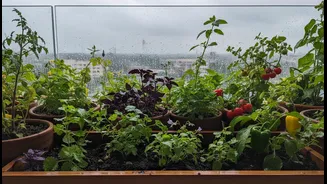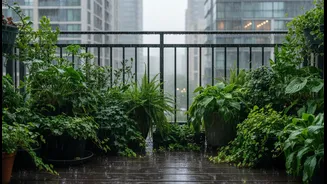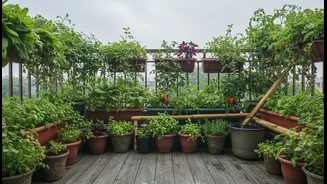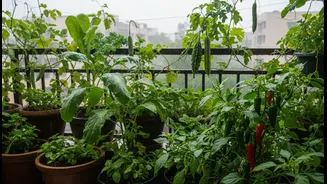




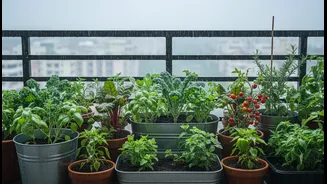


The Drainage Dilemma: Preventing Water-Logged Pots
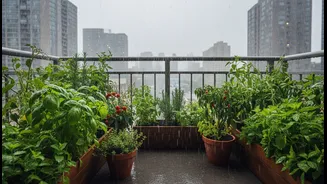
The single greatest challenge for monsoon balcony gardens is excessive water. While rain is welcome, constant downpours can lead to waterlogged soil, which suffocates roots and causes them to rot. The first sign of trouble is often yellowing leaves and a wilting
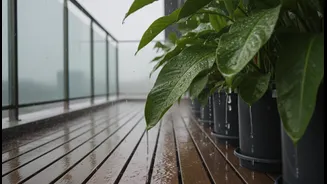
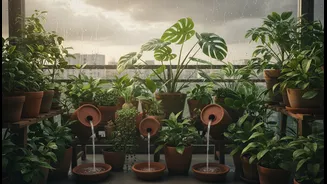
plant despite the wet soil. To combat this, ensure every pot has unobstructed drainage holes at the bottom. Elevating your pots on bricks, tiles, or dedicated pot feet creates a small gap that allows excess water to escape freely. The soil mix itself is your next line of defence. Avoid heavy, clay-like soils that retain too much moisture. Instead, use a light, porous potting mix containing garden soil, compost, and materials like cocopeat or sand, which improve aeration and drainage. On days with relentless rain, it is crucial to check that water isn't collecting in the saucers beneath your pots; empty them daily to prevent plants from sitting in stagnant water.
The Sunlight Struggle: Chasing Daylight on Overcast Days
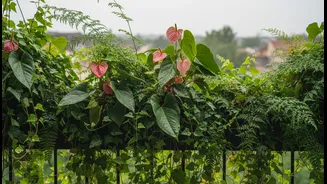
While the monsoon brings cooler temperatures, it also means overcast skies and significantly reduced sunlight. Most vegetables and flowering plants need at least four to six hours of sunlight to thrive and produce. During the rainy season, your sunniest balcony spot might only receive a few hours of weak, diffused light. This can lead to slow, leggy growth and a lack of flowers or fruit. Be observant about your balcony's light patterns. You may need to move your pots around during the day to chase whatever direct sun is available. An east-facing balcony that gets gentle morning sun can be ideal. If your space is mostly shaded, consider growing plants that tolerate lower light conditions, such as ferns, money plants, and some herbs like mint. However, for most edibles like tomatoes, chillies, and gourds, maximizing light exposure is non-negotiable.
Pot Size & Material: A Critical Choice
Choosing the right pot is about more than just aesthetics; it's a functional decision that directly impacts plant health, especially during the monsoon. A pot that is too small will restrict root growth, but a pot that is too large can be equally problematic. An oversized container holds a large volume of soil that a small plant's roots can't quickly absorb, leading to prolonged wetness and potential rot. As a general rule, select a pot that gives the plant some room to grow without being excessively large. The material also matters. Terracotta pots are porous and help soil breathe, which is advantageous in wet weather, but they can be heavy. Lightweight plastic pots or grow bags are easier to move but retain more moisture. Geo-fabric grow bags offer an excellent compromise, as they provide superior drainage from all surfaces, making them highly resistant to waterlogging. For vining vegetables like gourds, choose large, stable containers (at least 12-14 cm diameter) to support their vigorous growth. For shallow-rooted herbs and greens, wider, shallower trays can work well.
Choosing Your Monsoon Companions
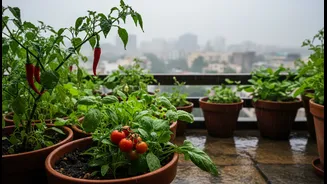
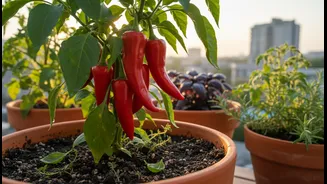
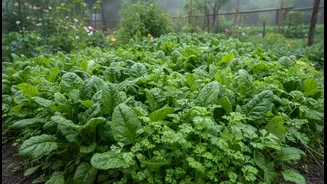
The key to a successful monsoon garden is selecting plants that thrive in warm, humid conditions. This is the ideal time to grow a variety of Indian vegetables and herbs. Leafy greens like spinach (palak), amaranth (chaulai), and fenugreek (methi) grow rapidly in the moist, moderate temperatures. Gourds are champions of the monsoon; varieties like bottle gourd (lauki), bitter gourd (karela), and ridge gourd (turai) flourish in the humidity, but they require a strong trellis for support to keep fruits off the wet ground. Other excellent choices for balcony pots include okra (bhindi), beans, brinjal, and green chillies. For a splash of colour, consider rain-friendly flowers like hibiscus, jasmine (mogra), and rain lilies. It is generally best to avoid growing succulents and cacti outdoors during this season, as they are highly susceptible to rot from the excess moisture.
Pest and Disease Patrol
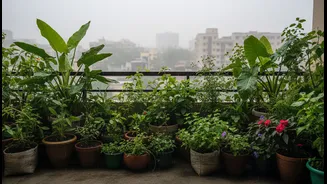
The high humidity of the monsoon creates a perfect breeding ground for fungal diseases and pests. Powdery mildew, which looks like a white powder on leaves, is a common issue. Pests like aphids, mealybugs, slugs, and snails also multiply rapidly in the damp environment. Good air circulation is crucial for prevention, so avoid overcrowding your plants by leaving adequate space between them. Regularly inspect your plants, paying close attention to the undersides of leaves and stems. Remove any dead or yellowing leaves promptly, as they can harbor fungal spores. A preventive spray of neem oil solution (about 5ml of oil mixed with a litre of water and a few drops of liquid soap) every 10-15 days can help keep many common pests and fungal issues at bay.