

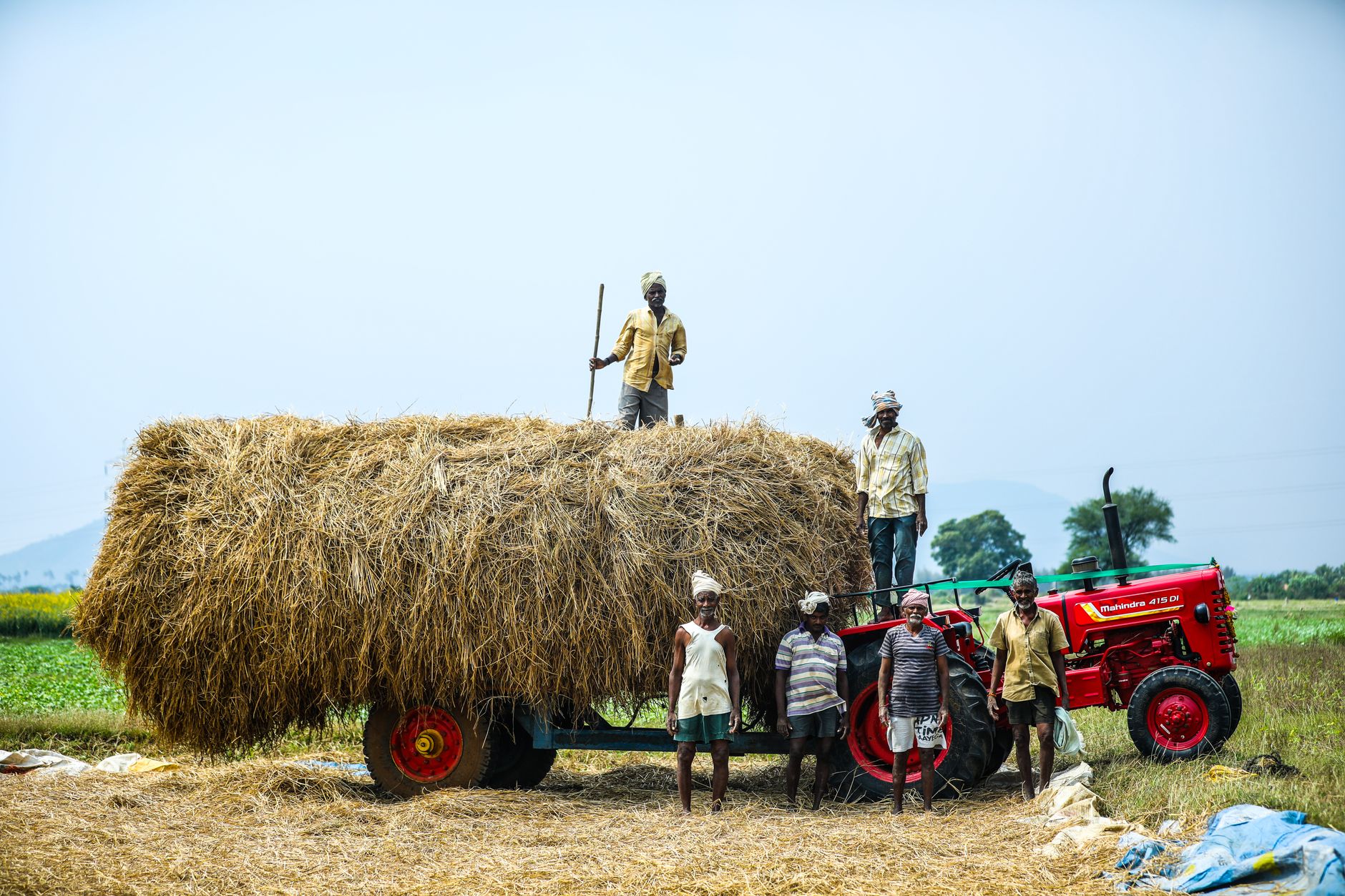

An Uneven Monsoon So Far
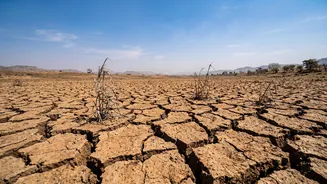
The 2026 southwest monsoon has been a story of sharp contrasts. After a significant deficit in June, a strong recovery in July brought relief, but August saw rainfall stall again. As of late August, the monsoon was running a deficit of around 13% below
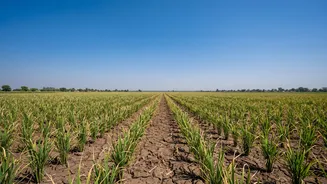
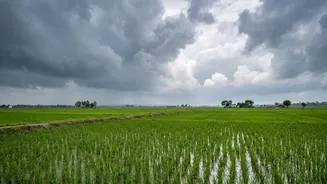
the long-period average, with nearly 42% of the country's area receiving deficient rainfall. This erratic performance has left agricultural communities on edge. While sowing of the Kharif (monsoon) crops has managed to recover from early-season shortfalls, overall acreage for key crops like rice and coarse cereals was still tracking slightly lower than last year.
Why September is the Final Act
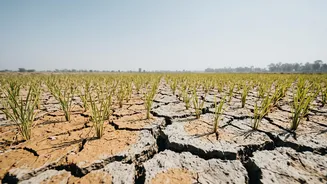
September's rains are crucial for several reasons. For many late-sown Kharif crops, this is the final window for growth and maturity. Insufficient moisture now can directly impact the final yield, even if sowing numbers look healthy. This finishing spell of rain determines the ultimate size of the harvest for staples that fill the nation's pantries. Furthermore, the September monsoon plays a vital role in replenishing soil moisture for the upcoming Rabi (winter) crop season, which includes essential crops like wheat and rapeseed. A dry September can therefore have a cascading effect, jeopardizing not one but two harvest cycles.
The Crops on the Line
The impact of a weak September rain is not felt equally across all produce. The most vulnerable are the crops that are largely rain-fed and form the backbone of Indian cuisine. These include pulses (dals), oilseeds like soybean, and coarse cereals such as maize and jowar. Vegetables, which are highly perishable, are also extremely sensitive to shifts in weather. Erratic rainfall can damage standing crops, disrupt transport, and lead to sudden supply shortages, causing prices of daily essentials like tomatoes and onions to spike. Even if staple grains like rice are somewhat protected by irrigation in some areas, the prices of protein sources like pulses and cooking oils are directly tied to the monsoon's performance this month.
From the Farm to Your Kitchen
The chain reaction from a poor September monsoon is simple yet severe. Lower crop yields mean farmers have less produce to sell at the local 'mandis' or wholesale markets. Reduced supply, when demand remains constant, inevitably leads to higher wholesale prices. This price rise then trickles down through the supply chain to retailers and, finally, to the consumer's grocery bill. Food prices already account for nearly half of India's consumer inflation basket, so any sustained increase can significantly impact household budgets and overall economic stability. Economists note that the full effect of a rainfall deficit often appears with a lag, meaning the consequences for your wallet might become most visible after the harvest is complete.
Watching the Reservoirs and Forecasts
Beyond the immediate crop output, September rains are critical for filling India's major reservoirs. These water reserves are a crucial buffer, providing water for irrigation during the dry winter months and for drinking water supplies. While overall reservoir levels have improved since July, they remain below last year's figures, particularly in northern India. Forecasters and economists are watching closely. Some weather models indicate a potential weakening of the monsoon in September, while other systems could keep it active in certain regions. Experts warn that a significant shortfall this month could push food inflation higher for the fiscal year, putting pressure on both households and policymakers.