


The Electric Vehicle Surge
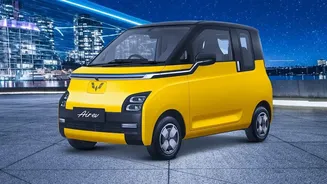
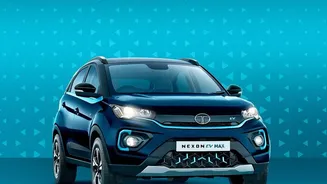
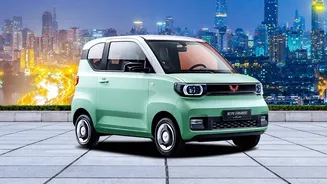
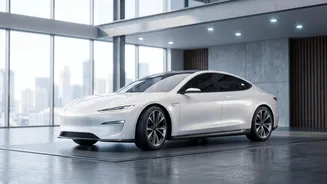
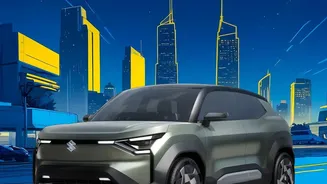
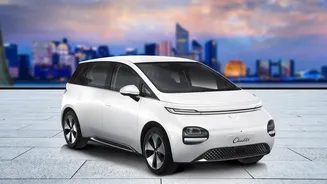
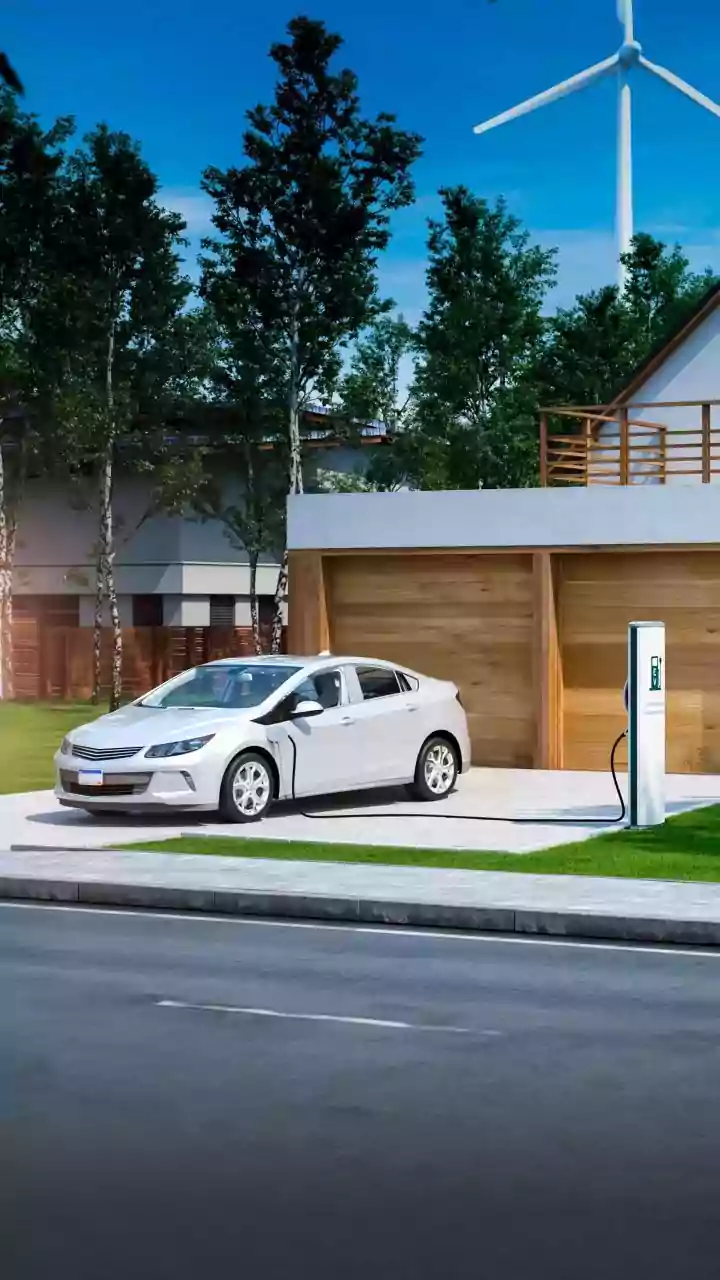
There's no denying the electric buzz. Propelled by government incentives, rising fuel costs, and a growing environmental consciousness, EV sales have soared. In August 2026, electric passenger vehicle registrations saw a significant 53% year-on-year increase.
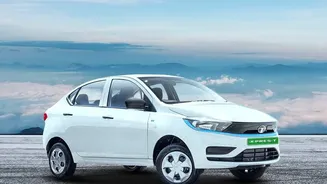
Dispatches of electric cars grew by an impressive 85% in the same month compared to the previous year. This growth is fueled by an expanding portfolio of options from manufacturers like Tata Motors and Mahindra, which are locked in a tight race for market leadership. Tata has consistently held a dominant market share, while Mahindra has shown dramatic growth. For consumers, the appeal lies in lower running costs and a quieter, smoother driving experience, overcoming initial concerns about price and range for many urban buyers.
Hybrids: The Practical Middle Ground
For those not ready to go fully electric, hybrids have emerged as a hugely popular compromise. These vehicles, which combine a petrol engine with an electric motor, offer improved fuel efficiency without the 'range anxiety' associated with pure EVs. In August 2026, hybrid vehicles accounted for 9.04% of all passenger vehicle retail sales. This technology serves as a bridge, allowing buyers to dip their toes into electric mobility while retaining the convenience of a conventional engine. Automakers like Toyota and Maruti Suzuki dominate this space, offering strong hybrid options in high-demand segments like SUVs and MPVs, which appeal to buyers looking for a practical, fuel-saving family car.
CNG's Unwavering Popularity
Often overlooked in the EV versus petrol debate is the quiet champion of alternative fuels in India: Compressed Natural Gas (CNG). Driven by its significantly lower running cost compared to petrol, CNG has carved out a massive niche. In August 2026, CNG vehicles hit a record-high market share of 25% of all passenger vehicle sales. This makes CNG the single largest alternative fuel category in the country. Its popularity is especially strong in cities with a well-developed CNG network. For budget-conscious buyers and those with high daily mileage, a factory-fitted CNG car from manufacturers like Maruti Suzuki or Hyundai remains an unbeatable value proposition.
Why Petrol Cars Aren't Going Away
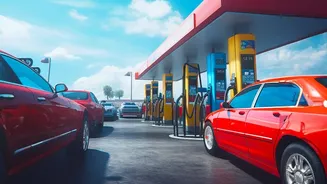
Despite the rise of alternatives, petrol cars are far from obsolete. For the first time in August 2026, the combined retail sales of CNG, hybrid, and electric cars (41.95%) narrowly surpassed that of petrol/ethanol cars (40.85%). However, petrol remains the largest single fuel category. The reasons are straightforward: lower upfront costs, a ubiquitous refuelling and servicing network, and a wider variety of models at every price point. While EVs and strong hybrids come with a significant price premium, a petrol car is still the most accessible option for a majority of first-time buyers. Furthermore, with many upcoming models still planned with petrol engines, manufacturers are clearly betting on its continued relevance for years to come.