


The Universe’s Grand Scaffolding
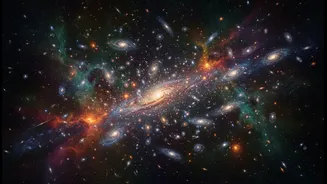
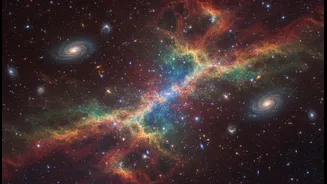
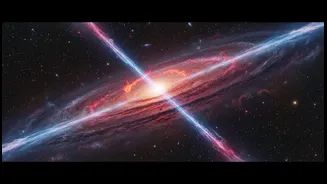
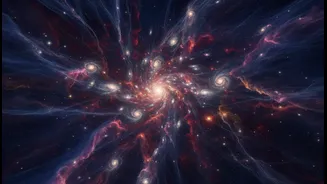
Imagine the universe not as a random scattering of stars and galaxies, but as a colossal, interconnected city. This is the essence of the 'cosmic web,' the largest known structure in existence. It is a vast, intricate network of filaments made of gas
and invisible dark matter, linking galaxy clusters together like highways between sprawling metropolises. For years, this web was mostly theoretical, a blueprint inferred from simulations. Now, thanks to the James Webb Space Telescope (JWST), astronomers have created the most detailed map of this cosmic skeleton ever produced. By observing hundreds of thousands of galaxies, some dating back to when the universe was less than a billion years old, scientists can now see the very framework upon which everything is built. It’s like finally being able to see the steel beams and support structures of a skyscraper that has been standing all along.
Construction Projects Ahead of Schedule
One of the most startling discoveries from this new era of observation is that cosmic construction seems to have started much earlier, and proceeded much faster, than our models predicted. Astronomers recently identified a 'protocluster' — a group of dozens of galaxies in the process of coming together — that existed when the universe was barely a billion years old. According to our previous understanding of cosmology, there simply shouldn't have been enough time for such a massive structure, estimated to be 20 trillion times more massive than our sun, to form. Finding a fully-formed city where you expected to see a small village forces engineers to rethink their timelines. For astronomers, it means the fundamental processes of gravity and dark matter might work more efficiently or differently in the early universe than previously believed.
Structures That Break the Rules
Beyond just building things early, the universe appears to be constructing things that are, according to current theories, impossibly large. Take the 'Big Ring,' a near-perfect circle of galaxies stretching an astonishing 1.3 billion light-years in diameter. The standard model of cosmology includes a principle of homogeneity, which suggests that on the very largest scales, matter should be distributed evenly. There shouldn't be structures this enormous. The Big Ring, and its neighbor the 'Giant Arc,' are so large that they challenge this fundamental assumption. They are not just unexpected buildings; they are structures that seem to violate the local zoning laws of the cosmos. These discoveries are forcing scientists back to the drawing board to question if we truly understand the rules that govern the universe on its grandest scale.
Building Blocks Star by Star
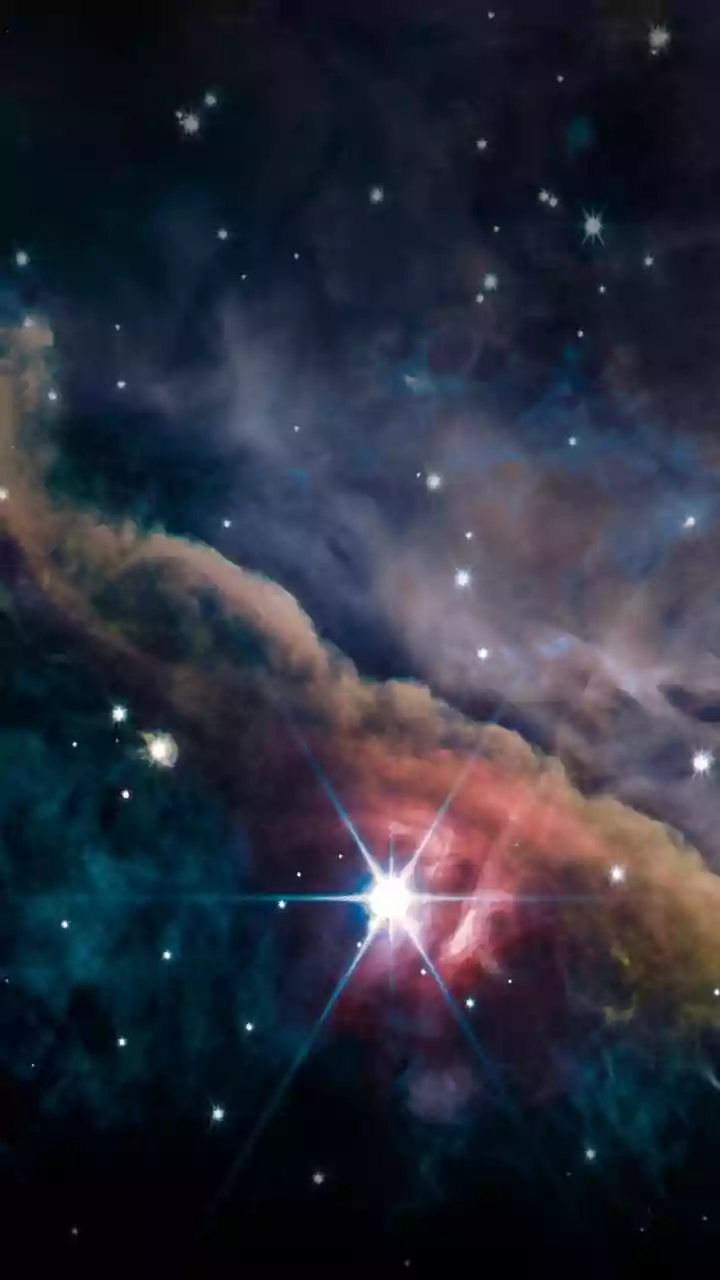
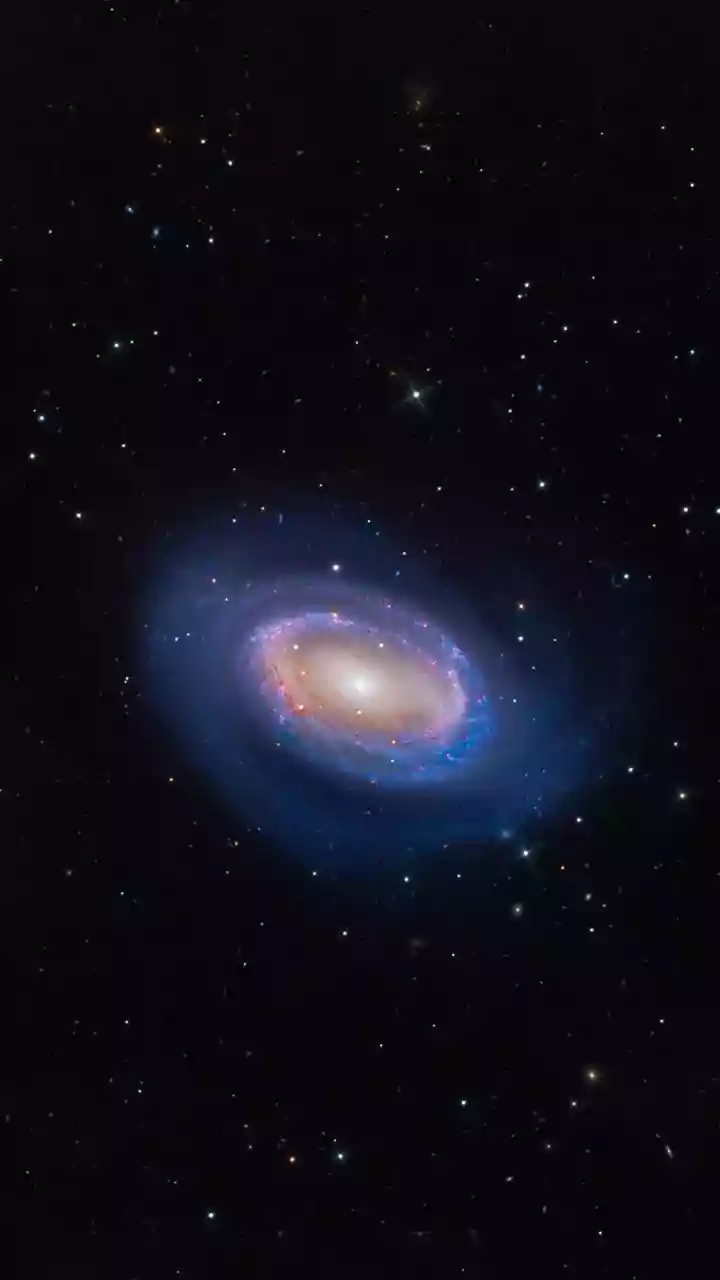
Cosmic construction isn't just about the mega-structures. It's also happening on a more 'local' level inside galaxies themselves. With the ability of telescopes like JWST to peer through dense clouds of cosmic dust, scientists are getting their first clear look at stellar nurseries where new stars are born. Recent observations have revealed dozens of previously hidden young, massive star clusters, showing how galaxies build up their stellar populations from within. In nearby galaxies like Centaurus A, we can now resolve millions of individual stars, allowing astronomers to perform 'galactic archaeology.' By studying the ages and locations of these stars, they can reconstruct the galaxy's history of mergers and star-formation bursts, essentially reading the construction timeline of an entire city, brick by brick.