






The Fridge Constitution
Whether in an office or a shared flat, the communal fridge requires a social contract—a simple, clear agreement that everyone understands and respects. Without it, you’re left with anarchy, expired milk, and science experiments growing in the crisper
drawer. The goal isn’t to be restrictive, but to create a system that benefits everyone by reducing stress, waste, and the kind of tension that starts with a missing sandwich. This isn't about rigid rules but about establishing a baseline of respect and predictability. The foundation of this peace treaty rests on three pillars mentioned in the headline: clear labeling, a smart leftover policy, and a routine clear-out. These principles create visibility and accountability, transforming the fridge from a zone of conflict into a model of cooperation.
The Power of the Label
The single most effective tool in any shared-fridge arsenal is the humble label. Most disputes arise from ambiguity. Is this milk communal? Whose is this Tupperware from last Tuesday? Labeling eliminates the guesswork. A simple system involves a marker and masking tape kept near the fridge. Every item should be marked with a name and the date it was placed inside. This does two things: it clearly assigns ownership, deterring accidental (or intentional) theft, and it creates a visual timeline. A container dated three weeks ago is much easier to identify as a problem than an anonymous, forgotten meal. For food safety, leftovers are generally only good for three to four days in the refrigerator. A date label makes this timeline obvious to everyone, not just the owner.
Solving the Leftover Conundrum
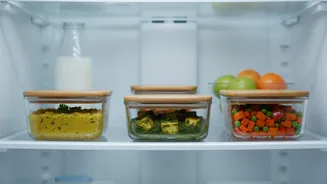
Leftovers are the primary cause of fridge clutter and unsavory odors. A fair and visible policy is crucial. First, all leftovers must be stored in airtight, sealed containers to prevent smells and spills. Cardboard takeaway boxes are not fridge-friendly; they get soggy and don't seal properly. Second, agree on a time limit. A 'three-day rule' is a common and effective policy: leftovers older than three or four days are fair game for the bin. This aligns with food safety guidelines which suggest consuming refrigerated leftovers within that timeframe. Food should also be cooled and put away within two hours of cooking to prevent bacteria from growing in the 'danger zone' between 40°F and 140°F. This rule isn't personal; it's about hygiene and space. The owner should be responsible for their own food, but a clear policy empowers anyone to dispose of ancient items without guilt during the weekly clear-out.
The Weekly Clear-Out Ritual
This is where the system comes together. A scheduled weekly clear-out ensures the rules are enforced and the fridge gets a reset. Pick a consistent time, like Friday afternoon before people leave for the weekend. The process is simple: everything that is unlabeled, obviously expired, or violates the leftover policy gets tossed. No judgment, no investigation—just a swift, scheduled purge. This works best if it's a shared responsibility, perhaps with a rotating cleaning duty. The 'one warning then out' policy is also effective: if an item looks questionable, a note can be attached giving the owner 24 hours to claim it before it's discarded. This regular maintenance prevents the slow, creeping buildup of forgotten food and keeps the space functional for everyone.
Finer Points of Fridge Harmony
With the core system in place, a few extra considerations can further improve the experience. Designating zones can be highly effective. Assign shelves or drawers to each person, or create designated areas for communal items like condiments, milk, or butter. This makes finding things easier and reduces the chances of items getting lost at the back. Another crucial habit is to clean up spills immediately. Leaks and drips are inevitable, but leaving them for someone else to handle is a major breach of etiquette. By combining clear, visible systems with a baseline of common courtesy, the shared fridge can become a testament to successful cohabitation rather than a source of daily frustration.