




Understanding the World of Fats
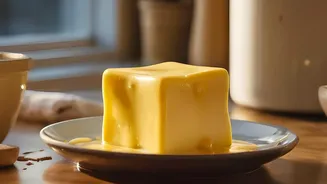
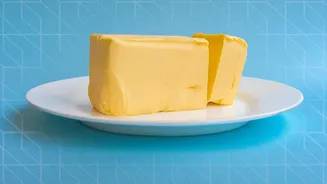
Fats are a crucial part of our diet, providing energy and supporting cell function. However, not all fats are created equal. The primary types to know are saturated fats and unsaturated fats. Saturated fats, commonly found in solid form at room temperature
like ghee, butter, and vanaspati, have been linked to increased levels of 'bad' cholesterol (LDL) and a higher risk of cardiovascular issues when consumed in excess. On the other hand, unsaturated fats, which include monounsaturated and polyunsaturated fatty acids (PUFAs), are considered 'good' fats. These are typically liquid at room temperature and are found in nuts, seeds, and vegetable oils. They can help improve cholesterol levels and reduce the risk of heart disease. The key to a healthy diet is not to eliminate fats, but to choose the right kind.
What Are Cold-Pressed Oils?
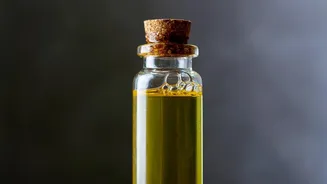
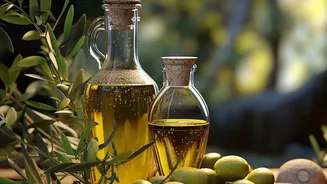
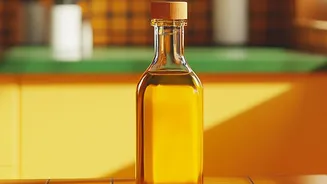
Cold-pressed oils are extracted from seeds or nuts using a mechanical press without heat or chemicals. This traditional method involves crushing the source material at a low temperature, typically below 50°C. The gentle process ensures that the oil retains its natural flavour, aroma, colour, and, most importantly, its nutritional profile. Unlike refined oils, which undergo high-heat processing and chemical treatments that strip them of vital nutrients, cold-pressed oils are packed with antioxidants, vitamins like Vitamin E, and beneficial plant compounds. Think of it as the difference between fresh-squeezed juice and juice from concentrate; the less processed option holds onto more of its natural goodness.
The Long-Term Health Advantages
Making the switch from saturated fats to cold-pressed oils is more than just a passing trend; it's a move towards safeguarding your future health. Because they are not exposed to high heat, cold-pressed oils retain high levels of antioxidants that fight free radicals, which are unstable molecules that can cause cell damage and lead to chronic diseases. These oils are also a rich source of polyunsaturated fatty acids, which can help lower bad cholesterol, reduce inflammation, and support a healthy immune system. Studies suggest that diets rich in unsaturated fats, like those found in cold-pressed oils, are associated with a reduced risk of heart disease and other inflammatory conditions.
Embracing Cold-Pressed Oils in Indian Kitchens
Indian cuisine has a long tradition of using various oils for flavour and health. Many of these are now available in cold-pressed forms, making it easy to incorporate them into your daily cooking. Cold-pressed mustard oil, with its pungent flavour, is a staple in North and East India, perfect for pickles and curries. Cold-pressed groundnut oil is widely used in Western and Central India for everyday cooking due to its mild, nutty taste. In the South, cold-pressed sesame (gingelly) oil and coconut oil are prized for their distinct flavours and health properties in everything from gravies to stir-fries. Choosing the right oil for the right dish not only enhances taste but also boosts its nutritional value.
Cooking Tips and Best Practices
While cold-pressed oils are nutritionally superior, it's important to use them correctly. Many have lower smoke points than their refined counterparts, meaning they can break down at high temperatures, which destroys nutrients. For this reason, some cold-pressed oils like extra virgin olive oil or flaxseed oil are best used for salad dressings or drizzling over finished dishes. However, many oils popular in Indian cooking, like cold-pressed groundnut, sesame, and mustard oil, have moderate to high smoke points suitable for sautéing, tempering (tadka), and even light frying on a low to medium flame. The key is to avoid overheating the oil to the point where it smokes, preserving both its flavour and health benefits.