


Understanding the September Shift
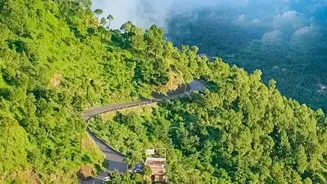
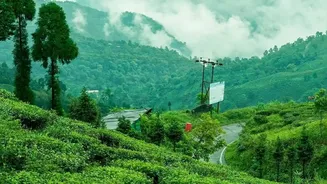
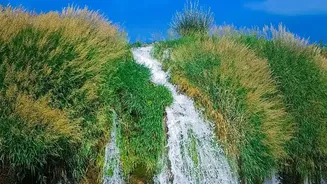
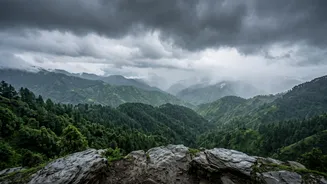
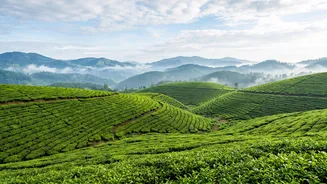
September typically marks the retreat of the monsoon, leaving behind lush, green landscapes and rain-fed waterfalls. This year, however, forecasts suggest a departure from this norm with below-average rainfall expected across many parts of the country,
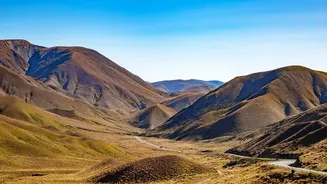
particularly in the north. While southern and coastal regions might still see occasional showers keeping things green, many popular Himalayan and Western Ghats destinations are experiencing a quicker transition to drier, post-monsoon conditions. This means trekkers and travellers will encounter less rain, more sunshine, and comfortable daytime temperatures. But this shift also means the ground is hardening faster, and the vibrant greenery may give way to autumnal hues sooner than expected. It’s a different kind of beauty, but one that requires a different kind of preparation.
The Upside: New Opportunities for Travellers
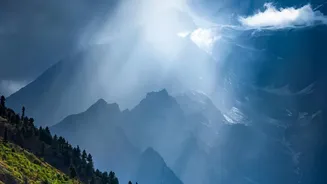
For those who love clear mountain views, this dry spell is a welcome development. Reduced rain and clearer skies mean better visibility, offering stunning, unobstructed panoramas of Himalayan peaks that are often shrouded in cloud at this time of year. This extends the prime trekking season, which traditionally gains momentum in October. With trails drying out faster, routes that are usually slushy and slippery in September become more accessible. This is especially true for treks at lower altitudes. Furthermore, the risk of rain-related disruptions like flight cancellations to mountain airstrips or sudden downpours washing out a day of sightseeing is significantly lower. It's also an excellent time to find better deals on accommodation and transport, as it falls just before the peak tourist rush. This unique window offers the pleasant weather of autumn without the usual crowds.
Key Risks: What to Watch Out For
The lack of rain, however, is not without its drawbacks. The most significant concern is the increased risk of forest fires. Drier-than-usual conditions have already led to an early and intense fire season in states like Uttarakhand and Himachal Pradesh earlier in the year. Trekkers must be extremely cautious with campfires and cooking stoves. Another major issue is water scarcity. Natural springs and streams that are usually reliable water sources on trekking routes may be running low or could be completely dry. This can become a serious problem on multi-day treks, where access to potable water is critical. Finally, while trails may be free of mud, they can become hard, dusty, and slippery underfoot, increasing the risk of falls and twists. Even without rain, the risk of landslides doesn't disappear entirely; prolonged dry spells followed by sudden, intense bursts of rain—a pattern seen with changing climate—can destabilise slopes.
Essential Safety and Preparedness Tips
Adapting to these conditions is key to a safe and enjoyable trip. The golden rule is to carry more water than you think you'll need. Consider bringing a reliable water filter or purification tablets as a backup. Before setting out, always check the latest fire advisories from local forest departments. Many regions now have advanced warning systems. For your gear, sturdy hiking shoes with excellent grip are non-negotiable for hard, dusty surfaces. Pack layers of clothing to accommodate warm, sunny days and cool nights. It’s also wise to inform someone of your itinerary, especially if you are venturing into remote areas. Never assume a water source marked on an old map will be viable; seek current, local information before you start your trek. Adopting 'leave no trace' principles, such as packing out all your rubbish and using green products, is more important than ever to protect these fragile environments.
Adapting Your Itinerary Creatively
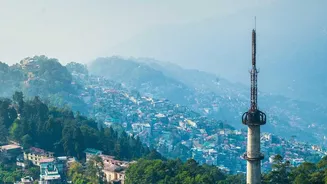
A dry September doesn't mean cancelling your plans, but it might be a good time to adjust them. Instead of an ambitious, high-altitude trek where water sources are uncertain, consider exploring a series of day hikes from a comfortable base in a town like Manali, Ooty, or Coorg. This allows you to enjoy the outdoors while having reliable access to resources. This could also be the perfect opportunity to explore less-crowded destinations that shine in these conditions. Consider hill stations in the Eastern Ghats like Yercaud or trekking in the Dzukou Valley in the Northeast, which comes alive with wildflowers post-monsoon. If you had your heart set on a specific region, look for lower-impact trails or alternative activities. Instead of a strenuous peak climb, perhaps a photography-focused trip to capture the clear landscapes or a visit to local villages and monasteries would be just as rewarding.