





A Monsoon of Two Halves
India's monsoon, the lifeline for its agricultural economy, is currently performing erratically. As of mid-August, the nationwide rainfall deficit stands at around 12% below the long-period average. This single number, however, masks a more alarming reality
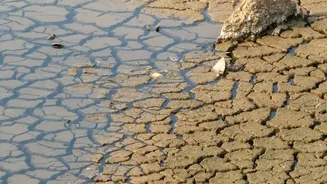
of severe regional imbalances. While intense downpours have caused flooding in some districts, a significant portion of the country is grappling with drought-like conditions. This pattern of uneven distribution means that even as some areas receive excess rain, key agricultural states like Bihar, Jharkhand, East Uttar Pradesh, and parts of Karnataka and Kerala are facing significant shortfalls. The India Meteorological Department (IMD) had earlier forecast a below-normal monsoon for August and September, partly influenced by strengthening El Niño conditions in the Pacific Ocean, which are historically linked to weaker monsoons in India.
Why the Kharif Season is Critical
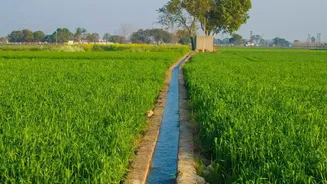
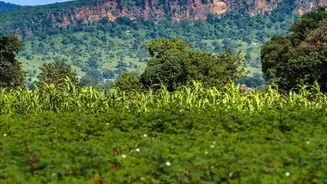
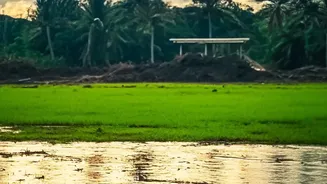
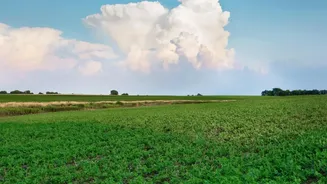
The Kharif season, which begins with the monsoon's arrival in June, is responsible for the bulk of India's annual food grain production. Crops like rice (paddy), maize, soybean, pulses (like tur/arhar), and cotton are sown during this period. These crops are vital not just for the nation's food security but also for the livelihoods of millions of farmers, as over half of India's cultivated land is rain-fed, making it directly dependent on the monsoon's performance. A successful Kharif harvest helps keep food prices stable, boosts rural incomes, and drives demand across various sectors of the economy. Any disruption to this cycle can have far-reaching consequences.
Crops and Regions Under Stress
The erratic rainfall has directly impacted sowing operations. As of August 14, the total area sown under Kharif crops was about 2% lower than the previous year. Paddy, the main Kharif cereal, has seen its acreage decline by 3.7%. Sowing of pulses and maize is also lagging. The real concern for agronomists is not just the total rainfall but its timing. Many crops are now in their critical growth phase, where sustained soil moisture is essential for determining the final yield. Prolonged dry spells during this period can severely stunt growth, affecting grain formation and overall productivity. Reports indicate that dozens of India's top rice, soybean, and maize-producing districts are currently experiencing rainfall deficits, highlighting the widespread nature of the moisture stress.
The Ripple Effect on Farmers and the Economy
The immediate impact of a poor monsoon is felt by farmers, who face the risk of lower yields and reduced incomes. For those who have already undertaken sowing, a failing crop can lead to significant financial distress. Beyond the farm gate, the consequences can ripple through the entire economy. Lower agricultural output can fuel food inflation, putting pressure on household budgets across the country. It can also dampen rural demand for everything from tractors to consumer goods, as farming households cut back on spending. Economists and market analysts are closely monitoring the situation, as a poor Kharif harvest could prompt the government to introduce trade restrictions, such as export curbs on commodities like rice, to ensure domestic availability.
What Experts Are Watching
The agricultural sector is at a critical juncture. Experts say the next few weeks will be decisive in determining the fate of the Kharif harvest. While the sowing window has largely closed, the final output now depends entirely on whether the crops receive adequate rainfall through the remainder of August and into September to support their growth. Meteorologists have noted that a few days of heavy rain cannot compensate for long dry spells that deplete soil moisture. The IMD has forecast near-normal rainfall for the third week of August, but a potential weakening of the monsoon thereafter. Government agencies and farmers are on high alert, hoping for a more favourable and evenly distributed rainfall pattern to salvage the season and mitigate the potential economic fallout.