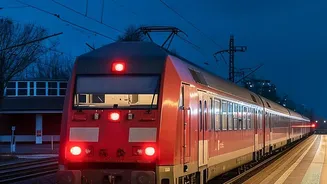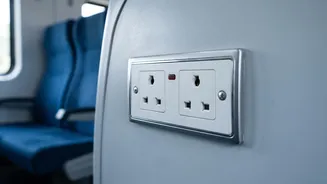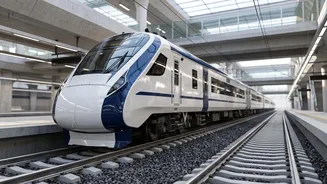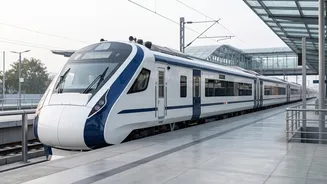







It’s a familiar scenario for any overnight train traveller in India: you plug in your phone before going to sleep, only to wake up and find the battery percentage hasn't budged. This isn't a fault; it's a deliberate policy.
An Official Railway Mandate
Indian Railways has a standing
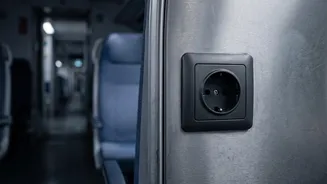
directive for all railway zones to switch off the main switchboard for mobile and laptop charging points in train coaches every night. This rule is in effect for a six-hour window, specifically between 11 PM and 5 AM. This isn't a new policy; it was first introduced back in 2014 but has been strictly reiterated and enforced following recent safety incidents. The Railway Board has instructed staff to ensure compliance without exception and has even called for surprise inspections to make sure the power is being cut as required.
The Primary Reason: Fire Safety
The single biggest reason for the overnight power cut is fire safety. Electronic devices, particularly those with lithium-ion batteries like mobile phones and power banks, can pose a fire risk if they are faulty, overheat, or are charged with defective cables. When passengers are asleep, an overheating device or a short circuit might go unnoticed until it's too late. In a confined space like a train coach, filled with flammable materials like luggage and bedding, a small fire can spread rapidly, creating panic and posing a significant danger to everyone on board.
Learning from Past Incidents
This policy is not based on theoretical risk alone. The original 2014 directive came after a recommendation from the Commissioner of Railway Safety following a fire incident in the Bengaluru-Nanded Express in 2013. More recently, in October 2026, the rule was strongly reinforced after a passenger's power bank exploded while charging overnight on the Mumbai-Howrah Mail. The device, which was left unattended, filled the AC coach with smoke and triggered an alarm. Such incidents serve as stark reminders of why unattended charging, especially when passengers are asleep, is considered a serious hazard.
Do Other Factors Play a Role?
While fire prevention is the main driver, other secondary concerns also support the policy. Some railway zones have pointed out that the practice helps prevent the theft of mobile phones left charging overnight while their owners are asleep. By cutting the power, there is less incentive for passengers to leave their valuable devices connected to a public socket for hours on end, making them less vulnerable. While energy conservation is a minor benefit, the overwhelming focus of the Railway Board's directive remains squarely on passenger safety from electrical and fire hazards.
How to Plan for the Power Cut
For passengers, this rule means a little bit of planning is required for overnight journeys. The most effective strategy is to carry a fully charged power bank. This allows you to keep your devices topped up without relying on the train's sockets. Alternatively, make sure to fully charge your mobile phones, laptops, and other electronics before the 11 PM shutdown. The power is typically restored at 5 AM, so you can plug in your devices first thing in the morning. Using your phone's battery-saving mode overnight can also help preserve charge until the outlets are active again. Following this simple guidance ensures you stay connected while respecting the safety measures put in place for everyone's protection.