



The Viral Wave of Plastic Dreams
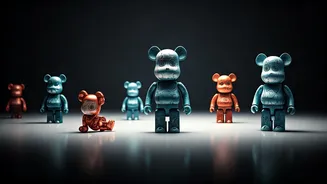
Scroll through Instagram, X (formerly Twitter), or TikTok, and you're bound to run into them. A set of action figures for a gritty, ‘80s-style horror film based on *Winnie the Pooh*. Intricate Funko Pop-style collectibles for a Wes Anderson-directed version
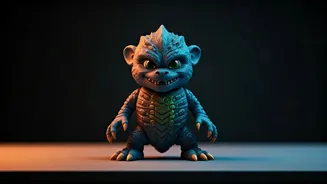
of *The Mahabharata*. A line of vintage-inspired toys for a movie that was never made. These images are crisp, professional, and endlessly creative. They look like real products, complete with detailed packaging and perfect studio lighting. There’s just one catch: none of them are real. These viral sensations are the product of generative AI, a technology that has rapidly transformed from a niche curiosity into a powerful engine for cultural production.
From Text Prompt to Toy Concept
The magic behind these imaginary collectibles lies in text-to-image AI models like Midjourney, DALL-E, and Stable Diffusion. These tools allow anyone to become a conceptual artist with just a few words. Users type in a descriptive “prompt,” and the AI generates a unique image based on the billions of images it has been trained on. The key to the viral toy trend is the specificity of the prompts. A user won’t just ask for “a Batman toy.” Instead, they might prompt something like: “1970s Kenner-style action figure of Batman, in original weathered blister pack, product photography, dramatic lighting.” The AI understands not just the subject (Batman) but also the aesthetic (Kenner-style), the context (blister pack), and the presentation (product photography). This ability to mimic specific materials like moulded plastic, glossy cardboard, and the slightly faded colours of vintage toys is what makes the final images so uncannily believable.
The Nostalgia-Mashup Formula
So why have these particular AI creations captured the internet’s imagination? It comes down to a perfect storm of nostalgia, creativity, and the “what if” factor. Many viral examples tap into a deep well of shared cultural memory, blending beloved characters with unexpected genres. Think *Star Wars* characters reimagined as high-fashion models or the cast of *Friends* as medieval warriors. This pop-culture alchemy is instantly shareable because it feels both familiar and shockingly new. It allows us to see our favourite stories through a different lens, sparking conversations and delight. The AI acts as a limitless sandbox for creative fantasies that would be too costly or bizarre to produce in the real world, creating a feedback loop of engagement and further experimentation.
A New Frontier for Designers
While many of these images are created for fun, the trend is having a real impact on the design world. Professional toy designers and concept artists are increasingly using AI as a brainstorming tool. It can rapidly generate dozens of visual concepts, helping to accelerate the initial stages of the creative process. Instead of spending days sketching, a designer can use AI to explore different styles, colour palettes, and form factors in minutes. This frees them up to focus on refining the best ideas. However, this new workflow also raises complex questions about intellectual property. Many viral toy concepts use famous characters from Disney, Warner Bros., or other major studios. While creating an image of a “Hulk” action figure for social media is one thing, manufacturing and selling it without a license would invite serious legal trouble. The line between inspiration and infringement is becoming a critical battleground.
Is the Future of Toys Digital?
For now, the vast majority of these AI-generated toys will never see a factory floor. Their existence is purely digital, designed for likes and shares rather than play. But the trend signals a fundamental shift in how we conceive of and interact with products. It suggests a future where digital concepts and viral aesthetics might hold as much cultural weight as physical objects. Some creators are already experimenting with 3D-printing their AI designs, bridging the gap between the digital and the physical. As the tools become more sophisticated, the barrier between a clever prompt and a tangible product will only shrink.