
A New Frontier in Emission Control
For years, vehicle pollution control in India has focused on what comes out of the tailpipe. The successful transition from BS-IV to BS-VI norms in April 2020 significantly reduced harmful exhaust emissions like nitrogen oxides and particulate matter.
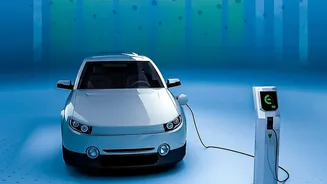
However, the battle for air quality is far from over. The Ministry of Road Transport and Highways has now unveiled draft BS-VII rules, which, for the first time, propose to regulate non-exhaust emissions—specifically, the tiny particles shed by wearing brakes and tyres. This marks a major evolution in how we define and control vehicular pollution, acknowledging that even electric vehicles (EVs), which have zero tailpipe emissions, contribute to air pollution.
Why Brakes and Tyres Matter
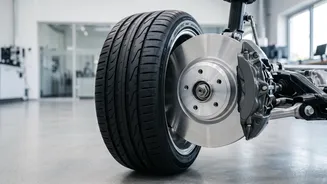
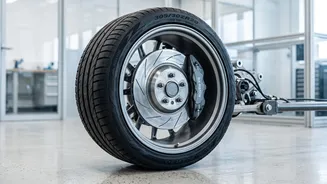
Every time a driver hits the brakes or a tyre rolls on the road, friction causes tiny particles to wear off and become airborne. These particles, a form of particulate matter (PM), are often so small they can be inhaled deep into the lungs, posing significant health risks. As engine technology gets cleaner, these non-exhaust sources become a much larger slice of the overall pollution pie. Studies have shown that non-exhaust emissions can account for a majority of PM10 and PM2.5 pollution from traffic in urban areas. The draft BS-VII rules aim to tackle this by setting specific limits on how much particulate matter can be generated by braking systems and tyre abrasion.
What are the Proposed Limits?
The draft notification outlines a phased implementation. The new standards would apply to new passenger cars manufactured from April 1, 2029. The regulations for non-exhaust emissions are set to begin from April 1, 2031. For brake particles, the proposed limit is 7 milligrams per kilometre (mg/km) for conventional petrol, diesel, and hybrid cars. Interestingly, pure electric vehicles get a stricter initial limit of 3 mg/km, likely because they can use regenerative braking, which reduces wear on traditional friction brakes. The proposal then calls for a uniform 3 mg/km limit for all passenger vehicles from April 1, 2035. The specific limits for tyre wear are expected to be notified separately but will follow a similar phased introduction.
Aligning with Global Standards
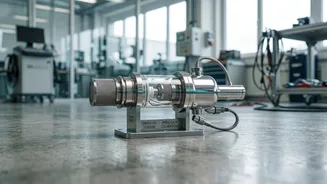
This move doesn't happen in a vacuum. India's proposed BS-VII framework is broadly aligned with Europe's stringent Euro 7 standards, which are also the first in that region to regulate brake and tyre particles. By doing so, India is keeping pace with a global shift towards a more comprehensive approach to vehicle emissions. The rules also introduce other modern regulatory tools, such as mandatory On-Board Monitoring (OBM) systems to track emissions in real-time and an 'Environmental Vehicle Passport' to give consumers transparent data on a car's pollution profile, fuel efficiency, and battery health.
Impact on Consumers and Carmakers
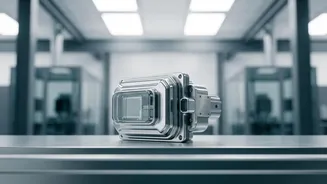
For automakers, meeting these new standards will require significant investment in research and development. This could involve creating new, more durable materials for brake pads and tyre compounds that shed fewer particles. These changes will likely translate to higher vehicle costs for consumers. However, the regulations are also designed to monitor the long-term health of vehicles. For instance, the draft includes durability standards for EV batteries, requiring them to retain a certain percentage of their capacity over several years and kilometres, which could offer more peace of mind to buyers. The automotive industry has expressed surprise at the proposed timeline, suggesting it could divert resources from EV development to ensure compliance for conventional vehicles.