


The Logic of a Flavour Calendar
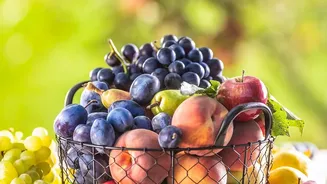
A regional produce calendar isn't a restrictive diet plan; it's a guide to deliciousness. The core idea is simple: vegetables and fruits harvested in their natural season are at their peak in flavour, texture, and nutritional value. They are also cheaper
and more environmentally friendly, as they don't require extensive cold storage or long-distance transport. Indian regional cuisines have always intuitively followed this rhythm. The spices used in winter curries are often warming, while summer preparations are lighter. Think about it—a juicy, ripe tomato in peak season needs very little to become a spectacular curry base. A winter carrot, sweet and dense, is perfect for a slow-cooked sabzi or a rich halwa. By aligning what we cook with what’s growing, we’re not just eating healthier; we’re tapping into generations of culinary wisdom that knew the best ingredients are the ones available right here, right now.
Monsoon Bounty for Curries and Stir-Fries
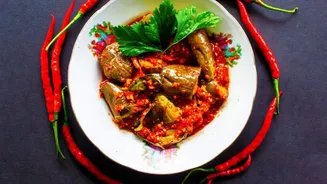
The monsoon transforms the landscape, bringing with it a unique array of vegetables perfect for hearty, comforting dishes. This is the season of gourds—lauki (bottle gourd), turai (ridge gourd), and karela (bitter gourd) are abundant. These vegetables, with their high water content, are ideal for light curries and quick stir-fries that don't feel heavy on the stomach. In many parts of India, leafy greens like spinach (palak) and amaranth (chaulai) also flourish. A simple palak dal or a stir-fried sabzi with pointed gourd (parwal) is a classic monsoon meal. This is also the season for unique regional specialties like arbi leaves (colocasia), used to make Gujarati patra, and wild mushrooms like rugda in Jharkhand, which are turned into spicy, earthy curries. These ingredients are not just food; they are a response to the climate, offering nutrients and comfort when the body needs it most.
Winter’s Harvest for Hearty Sabzis
Winter brings a different kind of abundance. The markets are flooded with root vegetables and dense leafy greens. In North India, this is the time for sarson da saag, a robust curry made from mustard greens, often cooked with spinach and bathua (goosefoot). The crisp, sweet carrots (gajar), fresh peas (matar), and vibrant beetroots of winter lend themselves to countless preparations. A simple Gajar Matar ki Sabzi is a staple in many homes, showcasing the natural sweetness of the vegetables. This is the season for heartier dishes that warm the body. Think of Undhiyo, the classic Gujarati winter dish, which is a slow-cooked medley of winter vegetables like surti papdi (Indian beans), sweet potatoes, and brinjals. Even a simple pav bhaji often features a mix of winter vegetables like cauliflower, peas, and carrots, mashed into a flavourful curry.
Summer’s Quick and Cooling Stir-Fries
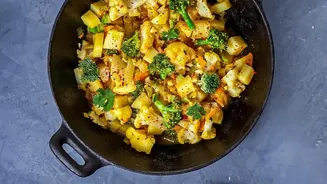
As temperatures rise, our cooking naturally shifts towards quicker, lighter meals. Summer produce is perfectly suited for this. Vegetables like bhindi (okra), cucumber, and various gourds are at their peak. In South India, the concept of a 'thoran' or 'poriyal'—a quick stir-fry with grated coconut—is a perfect example of summer cooking. A zucchini thoran or a simple bok choy stir-fry can be prepared in minutes, keeping the kitchen cool and the meal refreshing. Summer is also the season for fruits that double as vegetables. Raw mangoes are used to make tangy curries, while jackfruit is cooked into elaborate sabzis. These quick-cooking methods preserve the fresh, crisp texture of summer vegetables and provide a light yet satisfying meal that aligns with the body’s needs during hotter months.