

The Monsoon's Fleeting Treasure
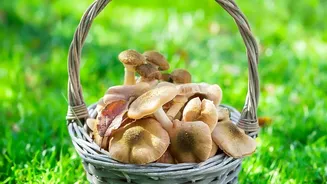
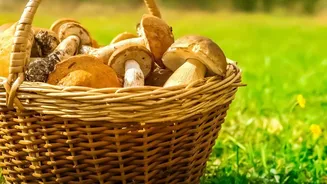
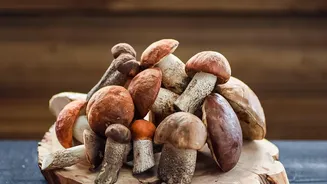
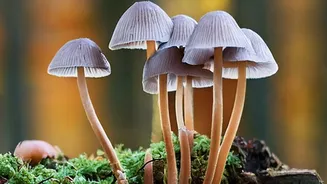
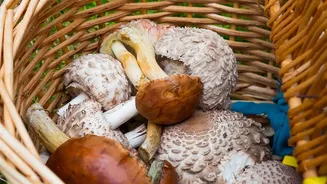
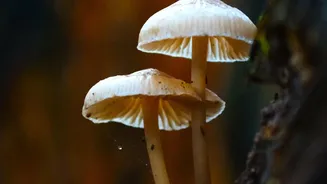
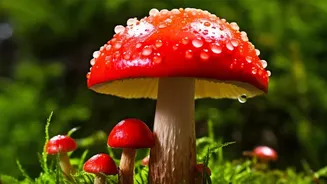
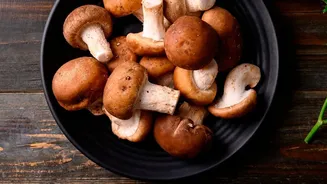
They appear as if by magic. With the monsoon's arrival, from the forests of the Western Ghats to the foothills of the Himalayas, the ground offers up a hidden bounty: wild mushrooms. Unlike their cultivated cousins available year-round, these are ephemeral
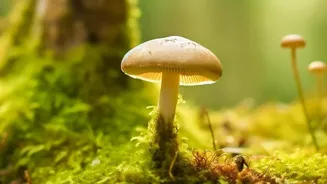
delicacies, many of which cannot be farmed. In Goa, they are called 'Olmi' or 'Alami' and grow on termite mounds, considered sacred by local communities. These mushrooms, part of the Termitomyces genus, have a unique symbiotic relationship with termites, which makes their cultivation nearly impossible and their appearance a truly seasonal event. Their flavour is described as earthy, nutty, and meaty, a taste so prized that a meal of wild mushroom xacuti is considered an essential Goan monsoon experience.
A Tradition Rooted in the Land
Foraging for wild edibles is an ancient practice woven into the fabric of India's indigenous communities. From the gucchi (morels) gathered in the snowy reaches of Kashmir to the rugra or 'vegetarian mutton' collected by tribal women in Jharkhand, this knowledge has been passed down through generations. It’s a skill that requires a deep understanding of the local ecosystem—knowing which mushrooms are safe, where they grow, and when to harvest them sustainably. This is more than just gathering food; it's a cultural tradition that connects people to their environment, providing nutritional security and a source of income for many rural households during the monsoon months.
From Forest to Five-Star Table
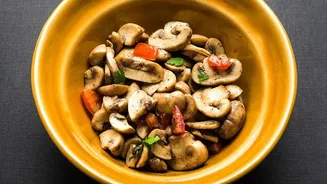
In recent years, this ancestral knowledge has found a new audience. A growing number of India’s top chefs are turning away from imported ingredients and looking towards the country's own biodiverse pantry. They are championing foraged ingredients, bringing wild mushrooms from remote forests to the menus of urban fine-dining restaurants. Chefs like Vanika Choudhary and Radhika Khandelwal are collaborating with local communities and foragers to source these rare ingredients, creating innovative dishes that tell a story of place and tradition. By featuring these hyper-local products, they are not just introducing new flavours to diners but also sparking important conversations about sustainability and the value of India's culinary heritage.
Reclaiming the Rhythm of Seasonal Eating
The enthusiasm for rain-fed mushrooms is part of a larger, quieter movement: a return to seasonal eating. For generations, Indian diets were naturally aligned with the seasons. Meals were lighter in summer and more nourishing in winter, dictated by what was fresh and locally available. However, with modern supply chains making most produce available year-round, this intuitive connection has been weakened. Eating seasonally, as Ayurveda has long advised, means consuming foods when they are at their nutritional peak, most flavourful, and best suited to the body's needs for that time of year. The wild mushroom, with its strict seasonal window, serves as a potent and delicious reminder of this very principle.