







The All-Stars of Natural Cleaning
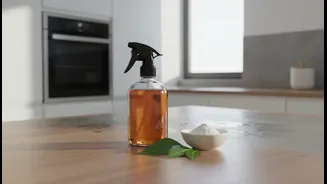
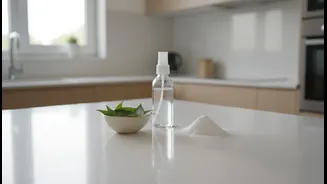
In the world of natural cleaning, a few key players do most of the heavy lifting. White vinegar, with its acidic nature, is excellent at cutting through grease and dissolving mineral deposits. Baking soda acts as a gentle abrasive for scrubbing and a powerful
agent for absorbing odours. Lemons offer degreasing power and a fresh scent, while traditional Indian ingredients like neem provide antibacterial properties. These items form the backbone of a simple, non-toxic, and budget-friendly cleaning kit perfect for many daily tasks. Their popularity is rooted in their effectiveness for routine grime and their safety for homes with children and pets.
Daily Spills & Surface Cleaning: Natural Wins
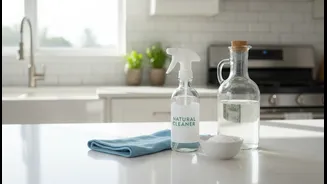
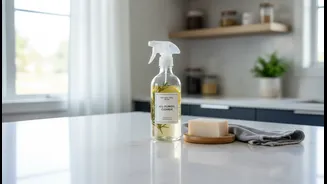
For everyday cleaning, natural ingredients are more than sufficient. A spray bottle filled with equal parts white vinegar and water is a fantastic all-purpose cleaner for kitchen counters, sinks, and tiles, but it should not be used on natural stone like marble. Wiping down surfaces with this solution can also help erase the scent trails that ants follow. For floors, adding half a cup of vinegar to your mopping water cleans effectively without leaving the sticky residue that soap-based cleaners can in humid weather. To combat stale smells in cupboards or the fridge, an open bowl of baking soda is highly effective at absorbing odours and moisture.
Minor Pests: A Natural First Defence
The monsoon often drives pests indoors. For minor intrusions, natural repellents can be surprisingly effective. Placing bay leaves or cloves in cabinets is a traditional method to deter cockroaches and other insects. A spray made from neem oil, water, and a drop of soap can repel a wide range of common pests. Wiping counters with a vinegar solution helps deter ants, while planting herbs like mint and basil near windows can help keep mosquitoes and flies at bay. These methods are great for prevention and managing small-scale pest issues without resorting to harsh insecticides.
The Limit: Battling Heavy Mould and Mildew
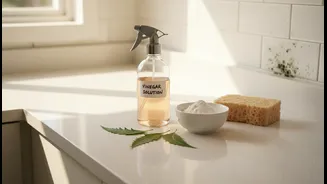
This is where natural ingredients often meet their match. The constant high humidity during the monsoon creates a perfect breeding ground for mould and mildew, especially on porous surfaces like walls and wooden furniture. While a vinegar spray can clean small, surface-level patches of mildew, it often fails to kill the roots of a more established mould problem. Mould isn't just unsightly; it can cause respiratory issues and allergies. For persistent or widespread mould, a stronger approach is necessary. This is the critical point where you may need to turn to commercial, chemical-based cleaners specifically formulated to kill mould and prevent its return. When using such products, always ensure proper ventilation by opening windows and using fans, and wear gloves to protect your skin.
When You Need More Than Repellents
While natural methods can deter casual pests, they are rarely sufficient for a full-blown infestation. If you're facing a serious problem with cockroaches, termites, or rodents, natural repellents will not solve the underlying issue. These situations demand more aggressive treatments. Diatomaceous Earth, a natural powder, can be effective against insects with exoskeletons like cockroaches and ants by abrading their shells, but it requires consistent application. However, for a significant infestation that poses a health risk, the most responsible course of action is to use targeted chemical pesticides or call a professional pest control service. This ensures the problem is eradicated completely, protecting your family’s health and your home's integrity.
Managing Extreme Dampness and Odours
Sometimes, the musty smell of monsoon seems to permeate everything, from clothes in the wardrobe to the air itself. While baking soda and coffee grounds can help with localised odours, they can be overwhelmed by pervasive dampness. In these cases, the issue is excess moisture in the air. Natural methods alone can't fix this. Investing in a dehumidifier is the most effective way to reduce indoor humidity to levels below 50-60%, which actively prevents mould growth. Using activated charcoal bags in wardrobes and small spaces can also significantly help by absorbing moisture and odours directly from the air. Ensuring good ventilation by running fans, even when it's raining, is also crucial.