







The Science Behind Monsoon Growth
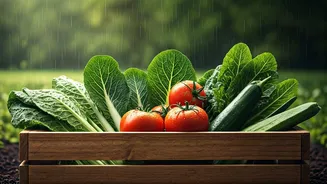
The popular belief that vegetables flourish during the monsoon is rooted in sound horticultural science. The season provides a perfect storm of conditions for rapid plant growth. Firstly, the increased humidity reduces water loss from plant leaves, allowing
them to focus their energy on growing rather than just surviving. Secondly, the frequent rainfall provides consistent, natural irrigation, ensuring the soil remains moist. Rainwater is also slightly acidic and contains dissolved atmospheric nitrogen, a crucial nutrient that acts as a natural fertiliser, promoting lush, leafy growth. Finally, the overcast skies and lower ambient temperatures reduce the stress on young saplings, which can struggle under the harsh sun of Indian summers. This combination of factors creates an ideal nursery-like environment, accelerating the germination and growth cycle of many vegetables.
Fast-Growing Vegetables for Your Monsoon Patch
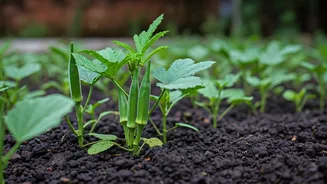
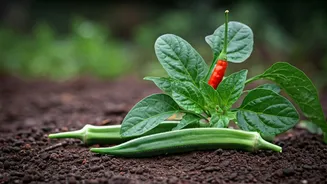
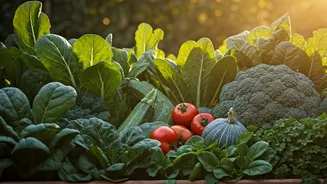
Not all vegetables are suited for the monsoon, as some are prone to rot in waterlogged soil. However, many thrive. Here are some of the fastest-growing and most rewarding options: - **Leafy Greens (Palak, Amaranth, Malabar Spinach):** These are the superstars of the monsoon garden. They love the nitrogen-rich rainwater and cool weather. You can expect your first harvest of spinach (palak) or amaranth (chaulai) within 30-40 days of sowing. Malabar spinach, a climbing variety, is particularly robust in humid conditions. - **Okra (Bhindi):** A staple in Indian cuisine, okra grows vigorously during the monsoon. The warm, humid climate is perfect for this plant. Sow the seeds directly into your pots or garden beds, and you could be harvesting fresh bhindi in about 50-60 days. - **Gourds (Bottle Gourd, Ridge Gourd, Bitter Gourd):** Monsoon is the primary season for almost all types of gourds. These climbers, including lauki, turai, and karela, grow rapidly, with their vines covering trellises in a matter of weeks. The ample water supply helps the fruits swell, leading to a bountiful harvest throughout the season.
Herbs and Beans to Plant Now
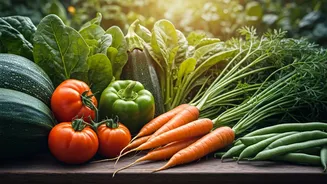
Beyond the main vegetables, certain herbs and beans are perfect for quick results during the rainy season. Coriander (dhania) and mint (pudina) can be grown easily in small pots on a windowsill or balcony. They prefer the cooler, moist conditions and will provide a continuous supply for your kitchen. Cluster beans (gawar) and French beans also perform exceptionally well. They are relatively low-maintenance and fix nitrogen in the soil, improving its fertility for future planting. Bush bean varieties are particularly good for small spaces and containers, producing a harvest within 45-65 days.
Essential Tips for Monsoon Success
While the monsoon is beneficial, it also presents challenges like waterlogging and fungal diseases. To ensure a healthy garden, focus on drainage. Use a well-draining potting mix (with sand and cocopeat) and ensure your pots have adequate drainage holes. For garden beds, consider creating raised mounds for planting. Space your plants properly to allow for good air circulation, which helps prevent fungal growth. Regularly check for pests like slugs and snails, which are more active in damp weather. Finally, provide sturdy support like trellises or stakes for climbing plants like gourds and beans to keep them off the wet ground and prevent the fruit from rotting.