







An Ancient Spice with a Long History
For centuries, long before it became a staple for flavouring desserts, nutmeg was a prized possession in traditional medicine. In ancient Indian and Asian cultures, it was used for a wide range of purposes, from easing stomach troubles to acting as a sedative
to promote sleep and relaxation. Practitioners believed it could 'lift the spirit' and soothe anxiety. This historical use as a treatment for ailments of the mind and mood is the foundation upon which modern claims are built. The central question is whether scientific research backs up what traditional healers have practiced for generations.
The Science Inside the Seed
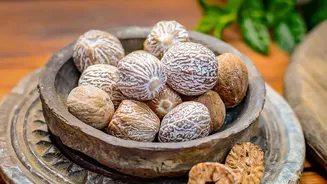
Nutmeg (Myristica fragrans) is more than just flavour; it’s a complex package of bioactive compounds. The most talked-about is myristicin, a substance that gives nutmeg its distinct aroma but is also responsible for its psychoactive properties in high doses. Beyond myristicin, nutmeg also contains elemicin, eugenol, and a variety of powerful antioxidants like flavonoids and phenolic compounds. It’s these ingredients that researchers are interested in. In laboratory settings, these compounds have demonstrated anti-inflammatory and antioxidant abilities, which are two key processes involved in protecting the body and brain from cellular damage.
What Research Says About the Brain
This is where the claims get tricky. Most of the exciting research linking nutmeg to brain health comes from animal and test-tube studies. Some studies on rodents have suggested that certain nutmeg extracts may have neuroprotective qualities, helping to reduce cell death and inflammation in the brain. Other animal research has shown that low doses of nutmeg extract could enhance learning and memory. The theory is that compounds like myristicin may help slow cognitive decline by protecting brain pathways. However, and this is the critical part, these effects have not been validated in controlled human trials. What works in a lab mouse doesn’t always translate to humans, and the promising signs from early research are a long way from proven benefits for memory or mental clarity in your daily life.
A Serious Word of Caution
The gap between a culinary sprinkle and a medicinal dose is dangerously wide. The same compound that gives nutmeg its intriguing properties, myristicin, makes it toxic in large quantities. Consuming as little as two tablespoons (around 10 to 15 grams) can lead to nutmeg poisoning. Symptoms are deeply unpleasant and can include severe nausea, dizziness, a rapid heart rate, confusion, agitation, and hallucinations. These effects can take hours to kick in and may last for several days. Fatalities are rare but have been reported, often when nutmeg is intentionally used as a recreational drug, sometimes in combination with other substances. The risks associated with high doses far outweigh any unproven benefits for brain health.
The Final Verdict for Your Kitchen
So, should you be adding more nutmeg to your diet for a brain boost? The scientific consensus is clear: no. The claims about significant memory enhancement and mental clarity are largely overstated and not supported by robust human evidence. Nutmeg contains fascinating compounds that warrant further study, but for now, its place is firmly in the spice rack, not the medicine cabinet. Enjoy its warm, aromatic flavour in your cooking and baking in the small amounts a recipe calls for. As part of a balanced, healthy diet rich in other proven brain-healthy foods like leafy greens, berries, and fatty fish, a sprinkle of nutmeg is perfectly safe and enjoyable. Trying to use it as a supplement, however, is an unnecessary and potentially harmful risk.