





The Danger of a Flooded Road
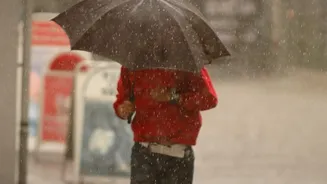
Driving through accumulated water on highways and city streets is more than just an inconvenience; it’s a serious safety risk. As little as six inches of fast-moving water can knock a person off their feet, while just twelve inches can float a small car.
The dangers are numerous. Drivers can lose control and hydroplane, vehicles can stall and become stranded, and the murky water can hide deep potholes or debris, leading to significant vehicle damage or accidents. Traditionally, authorities rely on manual barricades or public reports, which are reactive measures that often come too late. By the time a road is closed, many commuters may already be stuck, or worse, have attempted the dangerous crossing.
Digital Sentinels for Our Drains
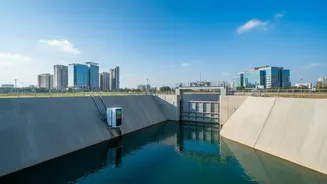
Enter the smart urban drainage sensor, a key component of the Internet of Things (IoT) revolutionising city infrastructure. These are not just passive drains but active, intelligent monitors that serve as an early warning system. By placing sensors in flood-prone areas like highway underpasses, low-lying roads, and critical drainage channels, municipal authorities can get a real-time picture of developing water-logging threats. This shifts flood management from a reactive scramble to a proactive, data-driven strategy. Cities in India like Kolkata and Mumbai are already implementing comprehensive flood forecasting systems that integrate various data sources to make the urban landscape safer and more resilient.
How the Technology Works
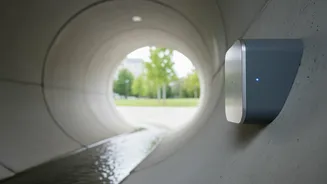
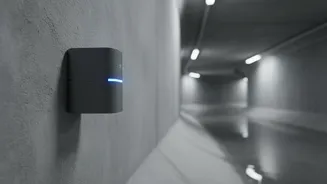
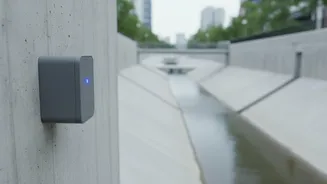
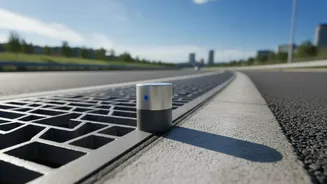
The concept is straightforward but powerful. Small, durable sensors, often using ultrasonic or radar technology, are installed inside drainage systems or culverts. These sensors continuously measure the water level. Some can even detect silt levels and blockages that might prevent proper drainage. The sensors are typically battery-operated, with long life spans, and communicate wirelessly through low-power networks. When the water level rises to a pre-determined critical threshold, the sensor sends an alert. This data is transmitted to a central dashboard that officials can monitor 24/7.
From Data to Driver Alerts
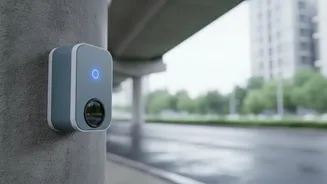
Collecting data is only half the battle; the crucial step is turning that data into actionable warnings for commuters. When the central system receives an alert about rising water levels, it can trigger a series of automated responses. This could involve activating flashing beacons or LED warning signs well ahead of the flooded area. It can also send information to public-facing systems, updating navigation apps with road closure information, issuing alerts via SMS or WhatsApp, and broadcasting warnings on local radio. This gives drivers crucial lead time to choose an alternative, safer route, preventing them from ever encountering the hazard. This automated process saves lives, reduces traffic congestion, and minimizes the strain on emergency services.
Building Resilient Cities
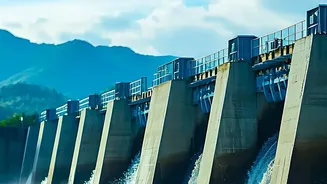
The adoption of smart drainage systems is a critical step in future-proofing our cities against the challenges of climate change and rapid urbanisation. In India, where monsoon-related flooding is a recurrent and costly problem, such technology is invaluable. Projects in cities like Kolkata are using hundreds of sensor nodes to gather real-time inundation data, which feeds into a larger forecasting and early warning system funded by partners like the Asian Development Bank. While widespread implementation across the country's vast road network is still a work in progress, these pioneering projects demonstrate a clear path forward. By combining predictive analytics with real-time monitoring, cities can not only warn citizens but also manage water flow more efficiently through smart gates and valves, building true urban flood resilience.