




Beyond the Buzzword: What is Eco-Living?
Choosing an eco-friendly stay is about more than just a rustic look. It’s a commitment to responsible tourism that benefits both the environment and the local community. These resorts and homestays are designed to minimise their ecological footprint through
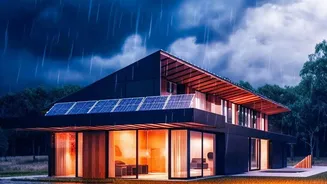
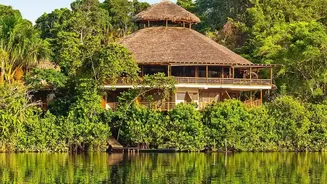
various means. This includes using locally sourced and natural building materials like bamboo, reclaimed wood, and mud. Many properties implement rainwater harvesting, use solar panels for energy, and manage waste through composting and biogas plants. The ethos extends to the kitchen, with a focus on farm-to-table dining, where produce is sourced from on-site organic gardens or nearby farms, reducing food miles and supporting local growers. By staying in such places, travellers contribute to a model of tourism that preserves Wayanad’s pristine beauty for generations to come.
Uravu Bamboo Grove: A Community-Centric Retreat
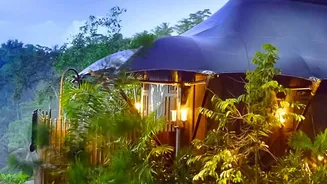
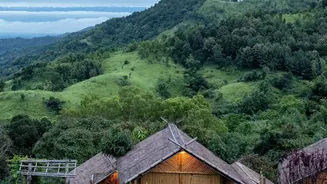
Nestled in the quiet village of Thrikkaipetta, Uravu Bamboo Grove is a shining example of community-led sustainable tourism. The entire resort is an ode to bamboo, with cottages and structures crafted by local artisans using indigenous knowledge combined with modern design. This initiative was born to support the local community by creating livelihoods and preserving traditional craft skills. The cottages are designed to maximize natural light and ventilation, offering immersive views of the surrounding bamboo plantation and paddy fields. Staying at Uravu is not just a vacation; it's an opportunity to engage with a community that has placed sustainable living at its heart. The project uses locally sourced materials beyond bamboo, including mud, lime, and areca nut palm, demonstrating a deep commitment to its green principles.
Tranquil Resort: Plantation Life Reimagined
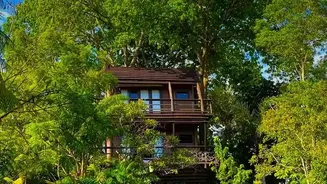
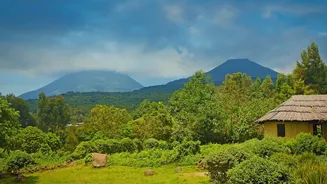
Set within a sprawling 400-acre coffee and spice plantation, Tranquil Resort offers an experience of deep-rooted sustainability. Only a tiny fraction of the estate is built upon, preserving the land as a working farm and lush rainforest habitat. The resort is renowned for its two distinct treehouses, Tranquilitree and Serenetree, perched high above the ground and crafted from repurposed wood. Its commitment to eco-living is structural, not just cosmetic. Over 95% of hot water is generated using biomass boilers, kitchen waste is converted into cooking gas via a biogas plant, and the drinking water comes from natural springs on the estate. Guests can explore over ten kilometres of mapped walking trails, enjoy meals made from estate-grown produce, and truly disconnect within a self-sustaining ecosystem.
Vythiri Resort: Luxury in a Rainforest Canopy
Vythiri Resort is a premier eco-luxury destination that masterfully blends five-star comfort with a profound respect for nature. Located deep within a tropical rainforest, the resort is famous for its enchanting treehouses, which are set high above the canopy, offering seclusion and breathtaking views. The property's philosophy is anchored in environmental stewardship; it was built without deforestation and actively preserves its 150-acre habitat. Sustainability is evident in its operations, from using solar power for water heating and having ozone-treated pools to minimising plastic use and segregating waste. Furthermore, Vythiri has a strong community partnership, employing a majority of its staff from local villages and supporting local artisans, ensuring that its success also uplifts the surrounding community.
The Rise of Treetop Sanctuaries
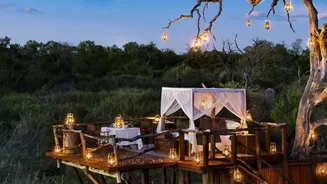
Across Wayanad, many other properties are embracing the treehouse concept, offering a unique blend of adventure and tranquillity. Stays like Vanatheeram Resorts offer cosy treehouses nestled within the Tholpetty forest range, promoting a close-to-nature experience. Others, such as Wayanad Wild by CGH Earth, operate as entirely plastic-free retreats deep in the rainforest, focusing on educational eco-tours and nocturnal nature walks. The appeal of these elevated stays lies in the constant, unfiltered connection to nature. It’s an experience often described as 'forest bathing', where the simple act of being surrounded by the sights and sounds of the jungle promotes a sense of calm and rejuvenation without a structured agenda. These stays prove that comfort and a deep connection to the wild can go hand in hand.