






Why Your Diet Needs a Monsoon Makeover
The damp, humid weather of the monsoon is a perfect breeding ground for bacteria and viruses. This, combined with a natural slowdown of our digestive system (agni, in Ayurveda), makes us more susceptible to infections, colds, and stomach issues. The key
is to shift towards foods that are light, easy to digest, and packed with immunity-boosting properties. A warm, nourishing diet helps counteract the dampness of the season and keeps your gut health in check, which is the cornerstone of your body's defence system.
Embrace Immunity-Boosting Spices
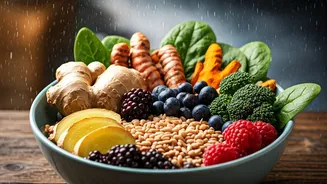
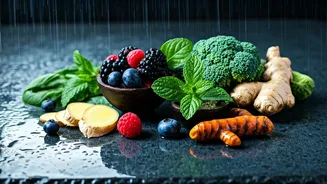
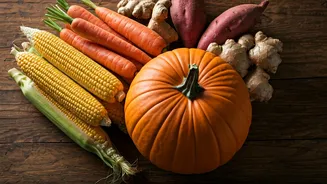
Your kitchen’s spice rack is your first line of defence. Spices like turmeric (haldi), ginger (adrak), garlic (lehsun), and black pepper (kali mirch) are powerhouses of antiviral and anti-inflammatory properties. Start your day with a warm glass of water with honey and a pinch of black pepper, or brew a comforting tea with ginger and tulsi. Adding a generous amount of garlic and turmeric to your dals and sabzis not only enhances flavour but also significantly strengthens your immunity. Turmeric, in particular, contains curcumin, a compound celebrated for its ability to fight inflammation and infection.
Opt for Light and Cooked Vegetables
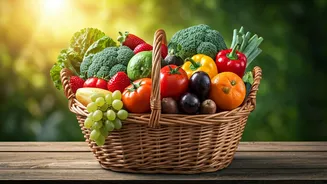
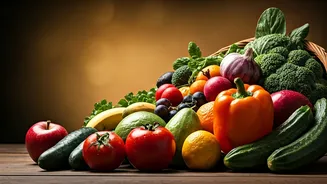
While raw salads are great in summer, monsoon is the time to switch to well-cooked vegetables. Raw veggies can carry germs and are harder to digest during this season. Favour gourds like bitter gourd (karela), bottle gourd (lauki), and snake gourd (chichinda). These vegetables are not only light on the stomach and easy to digest but are also rich in essential nutrients and fibre. Steaming or sautéing them is an excellent way to retain their nutritional value while ensuring they are safe to eat. Avoid leafy greens unless they are thoroughly washed in clean water and cooked properly, as they can harbour dirt and germs.
Warm Soups and Nourishing Broths
There is nothing more comforting than a hot bowl of soup on a rainy day. Soups are a fantastic way to stay hydrated and get a concentrated dose of nutrients. A simple mixed vegetable soup, a classic tomato soup seasoned with black pepper, or a light lentil (dal) soup can be both a satisfying meal and a health tonic. Broths made from vegetables or chicken are hydrating and help clear nasal passages, providing relief from common colds. They keep you warm from the inside and support your digestive system without overburdening it.
Choose Seasonal Fruits Wisely
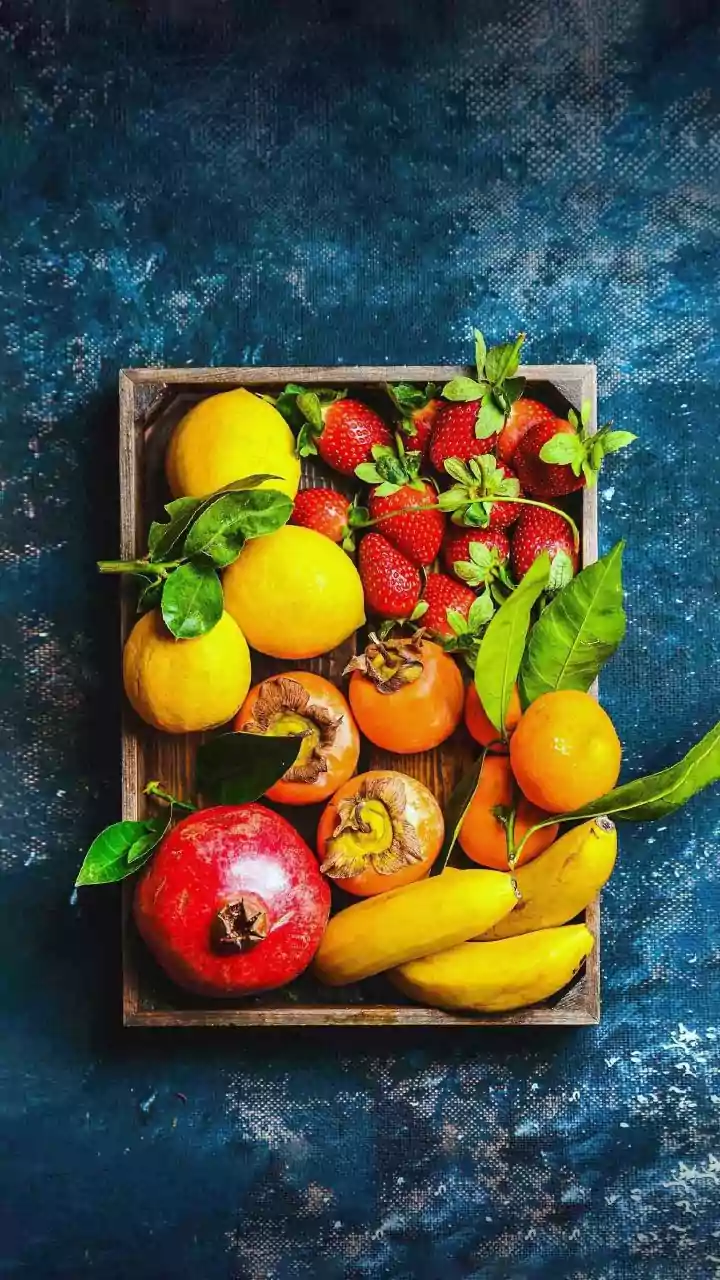
Monsoon brings a bounty of delicious fruits like jamun, peaches, plums, cherries, and pomegranates. These fruits are packed with antioxidants and Vitamin C, which are crucial for a strong immune system. Jamun is particularly beneficial for keeping stomach problems at bay. However, moderation is key. Overconsumption of fruits, especially those with high water content like watermelon, can sometimes lead to bloating. Always wash fruits thoroughly before eating. It’s best to eat them fresh and avoid pre-cut fruits from street vendors to minimise the risk of contamination.
Incorporate Probiotics and Fermented Foods
A healthy gut is essential for a strong immune system. Probiotics, which are beneficial bacteria, help maintain a healthy balance in your digestive tract. Yoghurt (dahi) and buttermilk (chaas) are excellent natural sources of probiotics. A glass of buttermilk seasoned with roasted cumin powder and a pinch of salt after your meal can greatly aid digestion. These foods help combat the 'bad' bacteria and reduce the risk of stomach infections that are common during the monsoon. Ensure the dairy you consume is fresh and from a trusted source.