





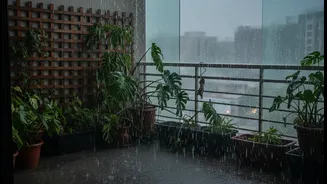


Why Rainwater is Liquid Gold
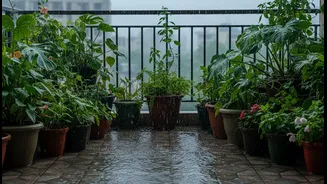
You might notice your plants look exceptionally vibrant after a downpour, and it's not your imagination. Rainwater is significantly better for plants than tap water. For one, it's naturally soft, meaning it is free from the chlorine, fluoride, and salts
often found in municipal water. These chemicals can accumulate in potting soil over time, harming sensitive roots. Furthermore, rainwater has a slightly acidic pH, typically between 5.5 and 6.5, which is the ideal range for most plants to absorb nutrients from the soil. Tap water, in contrast, is often made alkaline to prevent pipe corrosion, which can hinder nutrient uptake. Rainwater also contains nitrates, a form of nitrogen that is readily available for plants to absorb, promoting lush, green foliage.
Simple Ways to Harvest Rain on a Balcony
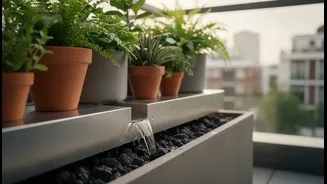
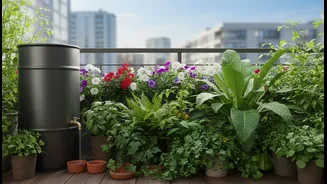
Harvesting rainwater on a balcony doesn't require a complex setup. The easiest method is to simply place a few clean buckets or large containers out during a storm, positioning them where rainfall is heaviest, often near the railing. If you have a bit more space, you can use a larger food-grade barrel. For a more directed approach, consider small rain chains or diverters if your balcony has an overhead roof or awning, which can channel water directly into your storage container. Before installing any system that attaches to the building, it's always wise to check your apartment's rules and regulations. Even collecting a few litres can make a significant difference for your potted plants.
Storing Your Harvest Safely and Effectively
Proper storage is crucial to keep your collected rainwater clean and beneficial. Always use a container with a tight-fitting lid or a fine mesh screen over the opening. This prevents debris like leaves and dirt from contaminating the water, and more importantly, it denies mosquitoes a place to breed. Opaque or dark-coloured containers are preferable to clear ones as they block sunlight, which inhibits the growth of algae. Store your container in a cool, shaded spot on your balcony if possible. If you collect a large amount, adding a spigot near the bottom of your barrel can make accessing the water much easier without having to lift a heavy container.
Putting Your Rainwater to Use
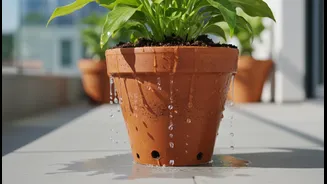
When it's time to water, your plants will thank you for the fresh rainwater. It can be used for any plant, but it is especially beneficial for sensitive species like ferns, orchids, and carnivorous plants, which can be harmed by the chemicals in tap water. Use the water as you would any other, checking the soil moisture first to ensure you aren't overwatering. Bottom-watering, where you fill a tray and allow the plant to soak up water through its drainage holes, is an excellent method to use with your harvested rain. This ensures the roots get a deep drink and encourages stronger root development. During extended dry periods, you can alternate between rainwater and tap water to make your supply last longer.
Common Pitfalls and How to Avoid Them
While rainwater is wonderful, there are a few things to watch for. If you are collecting runoff from a roof, be aware that it can sometimes pick up contaminants like zinc from gutters or bacteria from bird droppings. For this reason, many gardeners prefer to use roof-collected water for ornamental plants rather than edible ones. Using a simple mesh filter to screen out debris is a good first step. If you notice your stored water has developed an odour or algae, it’s best to empty and clean the container before collecting more. Regularly using your stored water and keeping your collection system clean are the best ways to ensure a fresh supply for your plants.