





The Promise of Compression Cubes
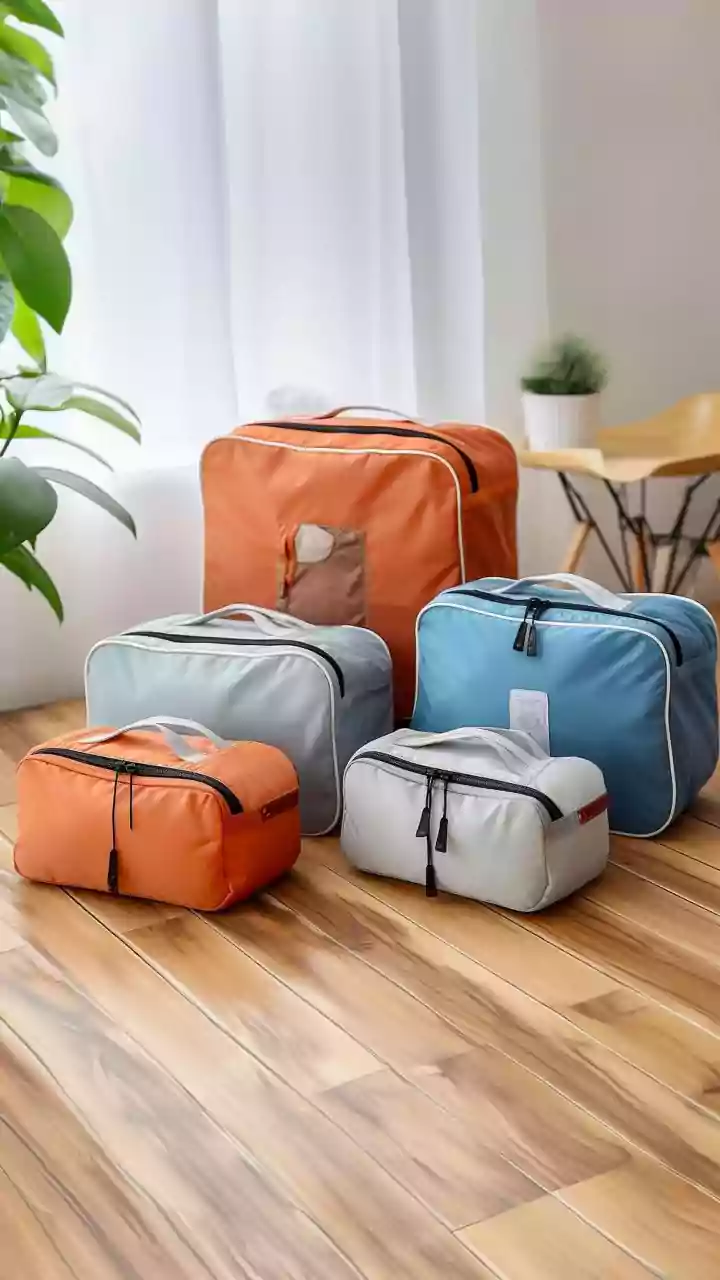
Standard packing cubes offer organisation, but compression cubes take it a step further. These fabric containers feature a second zipper that, when closed, squeezes out excess air from your clothes, significantly reducing their volume. They are not vacuum
bags; they simply condense soft, bulky items. This means you can fit more into your carry-on or simply enjoy a lighter, less-stuffed bag. For a four-day trip where you need a mix of outfits, this space-saving can be the difference between travelling light and checking a suitcase. They are particularly effective for bulky garments like sweaters, fleece jackets, and denim.
Crafting Your Four-Day Capsule Wardrobe
Before you even think about packing, lay out your options. A four-day trip doesn't require your entire wardrobe. The goal is a small, versatile collection of items that can be mixed and matched. A good template includes: four tops, two bottoms (like a pair of jeans and a pair of trousers or a skirt), one layering piece (a sweater or cardigan), one weather-appropriate jacket, underwear, and socks. Add one pair of versatile shoes you can walk in all day (wear the bulkiest pair on the plane). By selecting items in a complementary colour palette, you can create multiple outfits from a few key pieces, reducing the overall volume you need to pack.
The Art of Rolling Your Clothes
To get the most out of your compression cubes, rolling your clothes is non-negotiable. Rolling is more space-efficient than folding for most casual items like T-shirts, shorts, and knitwear. It minimises the hard creases that folding can create and prevents air pockets from forming between garments. Start by laying the item flat, folding in any sleeves, and then rolling it into a tight, compact cylinder. This technique allows you to line up your clothes vertically within the cube, giving you a clear view of everything inside without having to unpack the entire stack to find one shirt. For more structured items like blazers or dress shirts, a neat fold is still preferable to avoid unwanted wrinkles.
A Strategy for Packing the Cubes
Organise your rolled clothes by category: one cube for tops, another for bottoms and bulky sweaters, and a smaller one for underwear and socks. Place the rolled items snugly next to each other, filling the cube evenly. Zip the main compartment closed first. Then, carefully zip the second, outer compression zipper. As you do this, you'll see the cube shrink in depth as the air is expelled. A useful trick is to use a finger to guide the fabric away from the compression zipper's path to prevent snags. The goal is a firm, dense brick of clothing. Don't compress delicate items or starched shirts, as the intense pressure can lead to significant wrinkling.
Assembling the Final Puzzle
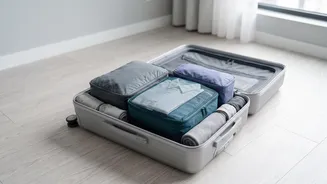
Packing your carry-on with compressed cubes is like a game of Tetris. Start by placing the largest, heaviest cubes at the bottom of your suitcase near the wheels. This creates a stable base and prevents the bag from tipping over. Slot smaller cubes and other items like shoes (placed in bags along the sides) and your toiletry kit into the remaining gaps. You'll likely find you have more leftover space than you're used to, which is perfect for any souvenirs you pick up on your trip. This methodical arrangement not only maximises space but also keeps your belongings from shifting and becoming a jumbled mess during transit.
Things to Keep in Mind
While compression cubes are fantastic space-savers, they do have a couple of downsides. First, compressing clothes can increase wrinkles, especially with natural fibres like cotton and linen. The rolling method helps, but don't expect clothes to be perfectly crisp upon arrival. Second, and most importantly, compressing your clothes does not reduce their weight. It's easy to overpack and exceed your airline's carry-on weight limit. Always weigh your packed bag before heading to the airport to avoid any costly surprises at the check-in counter.