







The Rise of the Conscious Traveller
A significant shift is underway in how Indians approach travel. A 2026 survey revealed that 88% of Indian travellers consider sustainability an important factor when making travel choices, ranking India third in Asia for this growing consciousness. This
isn't just about reducing carbon footprints; it's about making a positive impact. Travellers are increasingly seeking authentic experiences that benefit local communities and help preserve natural landscapes. This rising demand from a more aware generation of tourists is compelling the industry, from large hotel chains to small-scale operators, to innovate and adapt. The focus is moving from mass tourism towards what some call 'class tourism', where the quality and impact of the experience matter more than just the volume of visitors.
Achieving the 'Blue Flag' Standard
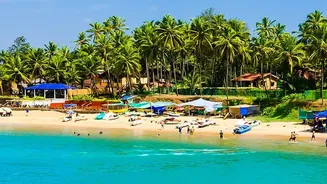
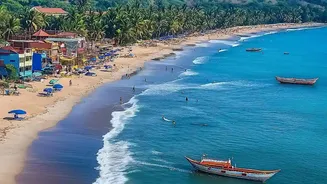
One of the most visible signs of this evolution is the growing list of 'Blue Flag' certified beaches in India. This prestigious international eco-label is awarded to beaches that meet 33 strict criteria related to water quality, environmental management, safety, and education. As of 2026, India boasts 18 such beaches across its vast coastline, including Radhanagar in the Andamans, Kappad in Kerala, and Golden Beach in Odisha. Achieving this certification is a rigorous process, requiring meticulous waste management, clean bathing water, and providing environmentally-friendly amenities. These beaches serve as benchmarks, proving that high tourism standards and environmental preservation can go hand-in-hand and encouraging other destinations to elevate their own practices.
Goa's Push for Regenerative Tourism
Goa, arguably India's most famous coastal state, is at a critical juncture, balancing its popularity with the urgent need for sustainability. The state is actively moving towards 'regenerative tourism', a concept that goes beyond just minimising harm to actively restoring ecosystems and strengthening local communities. Initiatives like the 'Goa Beyond Beaches' campaign encourage tourists to explore the state's rich hinterlands, heritage trails, and spice plantations, diversifying tourism away from overburdened shores. There is a growing focus on eco-conscious accommodations that use solar power and rainwater harvesting, alongside regulations to manage waste and protect coastal zones. This strategy aims to ensure that Goa's economy and its environment can both thrive for years to come.
Community-Led Conservation in the Islands
The Andaman and Nicobar Islands, with their fragile marine ecosystems and indigenous cultures, are a case study in conservation-first tourism. The administration is promoting eco-tourism through policies that strictly regulate tourist activities, manage waste, and prohibit single-use plastics. The goal is to balance economic benefits with environmental protection. This involves developing new destinations to distribute tourist flow and creating novel experiences like astro-tourism and bird-watching trails. More importantly, there's an emphasis on involving local communities. By supporting local boatmen, craftspeople, and homestays, tourism revenue directly benefits the people who are the primary custodians of the islands' natural and cultural heritage.
Challenges on the Sustainable Path
Despite the positive momentum, the road to truly sustainable coastal tourism is fraught with challenges. The gap between policy and on-ground implementation remains a significant hurdle across India. Issues like marine litter, plastic pollution, and illegal construction in coastal regulation zones continue to threaten delicate ecosystems. Overcrowding in popular spots can strain local resources and infrastructure, diminishing the very experience travellers seek. Consistent enforcement of environmental laws, coupled with scientific waste management and greater community involvement in planning and revenue sharing, are crucial steps. For sustainability to become the norm, it requires a concerted effort from governments, businesses, and travellers alike.