




What Exactly Is El Niño?
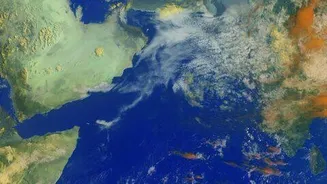
El Niño is a naturally occurring climate pattern, not a storm. It's defined by the unusual warming of surface waters in the central and eastern Pacific Ocean. This isn't just a local event; this massive release of heat into the atmosphere disrupts typical
weather and atmospheric circulation patterns around the globe. While it happens far from Indian shores, its ripple effects travel through the atmosphere to influence weather systems worldwide, including the all-important Indian southwest monsoon, which delivers about 70% of the country's annual rainfall.
The Monsoon Connection
The Indian monsoon is a complex system driven by temperature differences between the land and the sea. El Niño throws a wrench in these works. The warming of the Pacific Ocean alters air pressure patterns, which can weaken the winds that normally carry moisture from the Indian Ocean to the subcontinent. This disruption can lead to a weaker, delayed, or unevenly distributed monsoon. Forecasts for 2026 indicate a strengthening El Niño, raising concerns about below-normal rainfall, especially in the latter half of the monsoon season. While not every El Niño year results in a drought, the historical correlation with weaker monsoons is strong, putting the agricultural sector on high alert.
What's at Stake for Farmers?
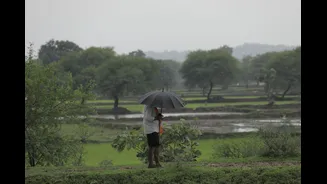
For India, a weak monsoon is a direct threat to its agricultural heartland. Nearly half of India's farmland is rain-fed, meaning millions of farmers depend entirely on seasonal rains to grow their crops. The Kharif (summer) season, when crops like rice, cotton, soybeans, maize, and pulses are sown, is particularly vulnerable. Inadequate rainfall can lead to delayed sowing, reduced crop yields, and in severe cases, total crop failure. Regions in western, central, and southern India are often the most affected. As of mid-August 2026, India has already seen a rainfall deficit, and with key crops entering their critical growth phases, a prolonged dry spell could severely dent productivity and farmer incomes.
The Ripple Effect on the Economy
The impact of a poor monsoon extends far beyond the fields. Agriculture contributes significantly to India's GDP and employs a large portion of its population. When farm incomes fall, so does rural demand for goods like tractors, consumer products, and two-wheelers. A shortfall in agricultural production can also lead to food shortages, driving up food price inflation, which affects every household's budget. Furthermore, a weak monsoon puts a strain on water reservoirs, which are crucial for drinking water, irrigation for winter crops, and generating hydroelectric power. Lower reservoir levels can lead to power shortages, adding another layer of economic stress.
Preparing for a Drier Season
The threat of El Niño is not a surprise, and measures can be taken to mitigate its impact. The government often prepares contingency plans for vulnerable districts, which can include promoting the use of drought-tolerant crop varieties and improving irrigation techniques. Better weather forecasting and early warning systems play a crucial role in helping farmers make informed decisions about planting. While structural improvements like increased irrigation coverage have made the economy more resilient than in the past, the country's fortunes remain closely tied to the whims of the monsoon. The increasing frequency of extreme weather events due to climate change further underscores the need for robust adaptation strategies to protect both livelihoods and the broader economy from climate shocks.