





How AI Tackles the Shade-Match Problem
Foundation is notoriously one of the most difficult beauty products to purchase online. Unlike lipstick or eyeshadow, where a near match can work, the wrong foundation shade is immediately obvious. Artificial intelligence (AI) aims to solve this by replacing
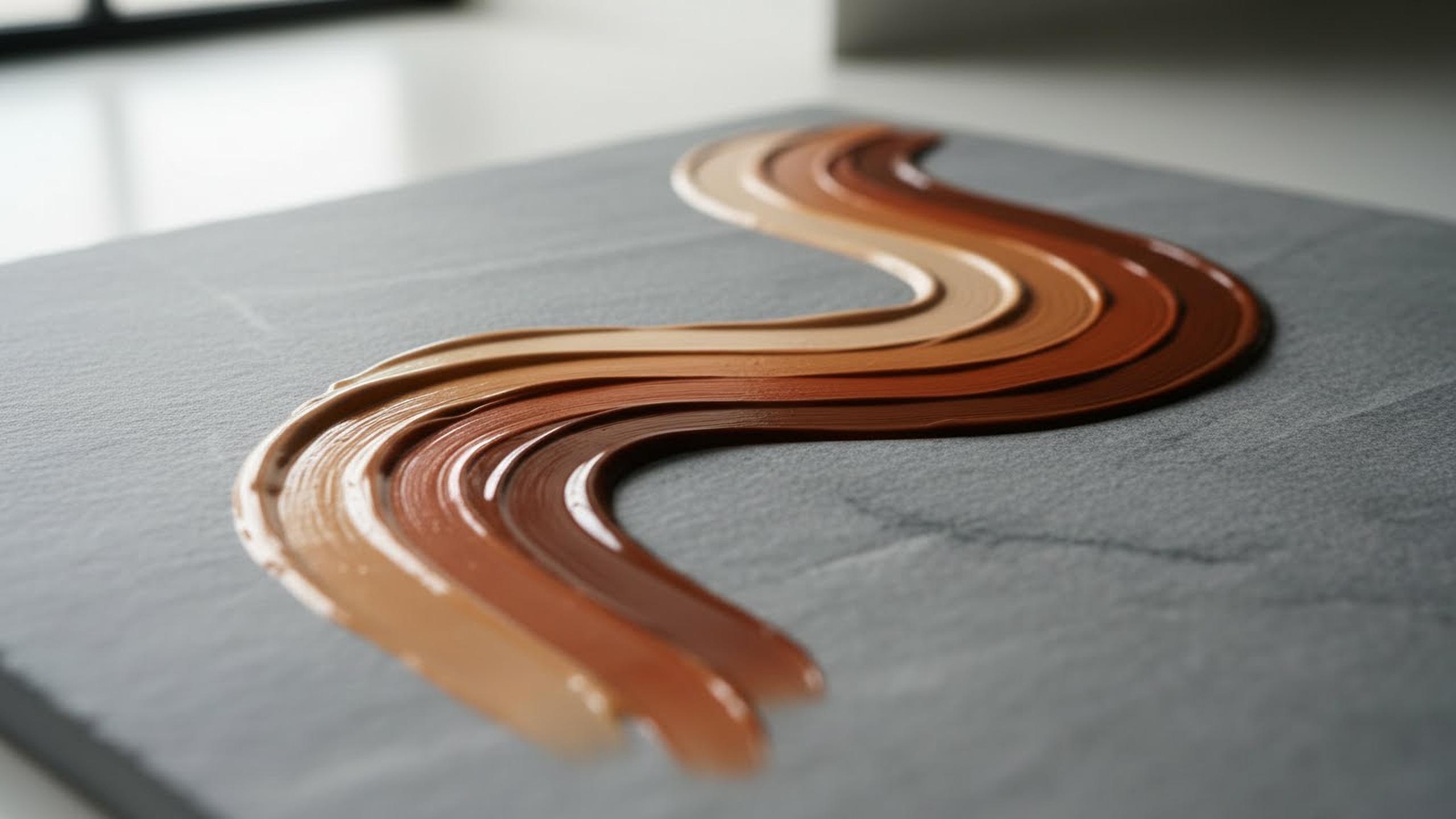
subjective guesswork with data-driven analysis. Using your phone's camera, AI algorithms analyze your skin to identify not just the overall tone, but also the subtle undertones (warm, cool, or neutral) that are crucial for a perfect match. This technology uses computer vision to scan your face, compare it to a vast database of skin tones, and then map it to a brand's specific range of foundation shades. The goal is to provide a precise recommendation, reducing the uncertainty that leads to abandoned carts and frustrating returns.
The Tools You Can Use Today
Many major beauty brands and retailers, including Sephora, Estée Lauder, and Mary Kay, have already integrated AI-powered tools into their websites and apps. These typically come in two forms. The first is a direct shade analysis, where you upload a makeup-free selfie or use a live camera feed. The AI scans your skin and instantly suggests your best match. The second, and often combined, feature is the virtual try-on. This uses augmented reality (AR) to overlay the recommended foundation shade onto your face in real-time, letting you see how it looks before you commit to buying. Companies like Perfect Corp. and ModiFace are leaders in this space, providing the underlying technology for many of the tools you encounter while shopping.
Convenience vs. Accuracy: The Reality Check
While these tools are a significant step forward, they aren't foolproof. The accuracy of an AI recommendation heavily depends on external factors. The quality of your phone's camera and, most importantly, the lighting conditions can dramatically affect the outcome. For the best results, you should be in natural daylight, without direct sun, and remove all existing makeup. Some studies note that while accuracy can be over 90% in ideal conditions, challenges remain, particularly in correctly identifying shades for darker skin tones and dealing with variable lighting. It's a technology in evolution; a powerful guide but not yet an infallible oracle.
Tips for Getting the Best Possible AI Match
To make the most of these digital tools, a little preparation goes a long way. First, always scan your face in natural daylight near a window, as indoor lighting can skew the colour analysis. Make sure your face is clean and free of any makeup that could interfere with the scan. Don't rely on just one tool; if you can, try the shade finders from a few different brands. If two separate AI tools recommend shades with the same undertone (e.g., "light neutral"), you can be more confident in the result. Think of these tools as a very knowledgeable starting point, helping you narrow down the options from forty shades to just two or three.
The Future of Hyper-Personalised Beauty
The current generation of AI is just the beginning. The future of beauty tech is moving towards hyper-personalization. Experts predict that AI will soon be able to deliver real-time recommendations that adapt to factors like your hydration levels, seasonal skin changes, or even the local pollution levels. Imagine a system that not only recommends a pre-existing shade but helps create a custom-formulated foundation just for you, delivered to your door. This shift from reactive routines to predictive, data-led personalization promises a future where beauty products are not just bought, but created to be uniquely yours.