

A Timely Global Spotlight
To be singled out by National Geographic is a significant honour for any destination, but for Jaipur, the timing is perfect. The selection highlights the city's magnificent royal architecture, vibrant living craft traditions, and its role as host of the world-renowned
Jaipur Literature Festival. The endorsement acts as a global invitation to experience a city that is simultaneously celebrating a deep history while buzzing with contemporary energy. With its tricentennial on the horizon, Jaipur isn't just a place to see; it's a moment to be a part of. The planned year-long festivities, set to begin in late 2026, promise a series of events commemorating the city's rich heritage and culture.
India's First Planned City
Jaipur's story begins on November 18, 1727, when it was founded by the astronomer king, Maharaja Sawai Jai Singh II. Facing water scarcity and a growing population in his then-capital of Amer, he envisioned a new city. Unlike many ancient cities that grew organically, Jaipur was meticulously planned from the start, a revolutionary concept for its time. With the help of his chief architect Vidyadhar Bhattacharya, Jai Singh II designed the city on a grid system based on the principles of Vastu Shastra. The city was divided into nine rectangular sectors, intended to mirror the nine divisions of the universe. This thoughtful, scientific approach to urban design is still evident today in its wide, straight boulevards and organised marketplaces.
The Story of the Pink City
The nickname 'Pink City' is not just a poetic flourish; it's rooted in a specific historical event. In 1876, to welcome Albert Edward, the Prince of Wales, Maharaja Sawai Ram Singh II ordered the entire city to be painted a terracotta pink, a colour traditionally associated with hospitality. The Prince of Wales reportedly dubbed it the 'Pink City', and the name stuck. The queen was so taken with the uniform colour that the Maharaja passed a law in 1877 making it illegal for buildings within the walled city to be painted any other colour. This law remains in effect, preserving the city's unique and instantly recognisable aesthetic.
Where History Breathes
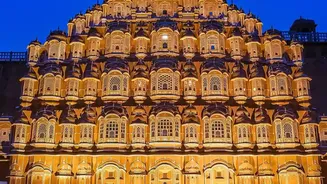
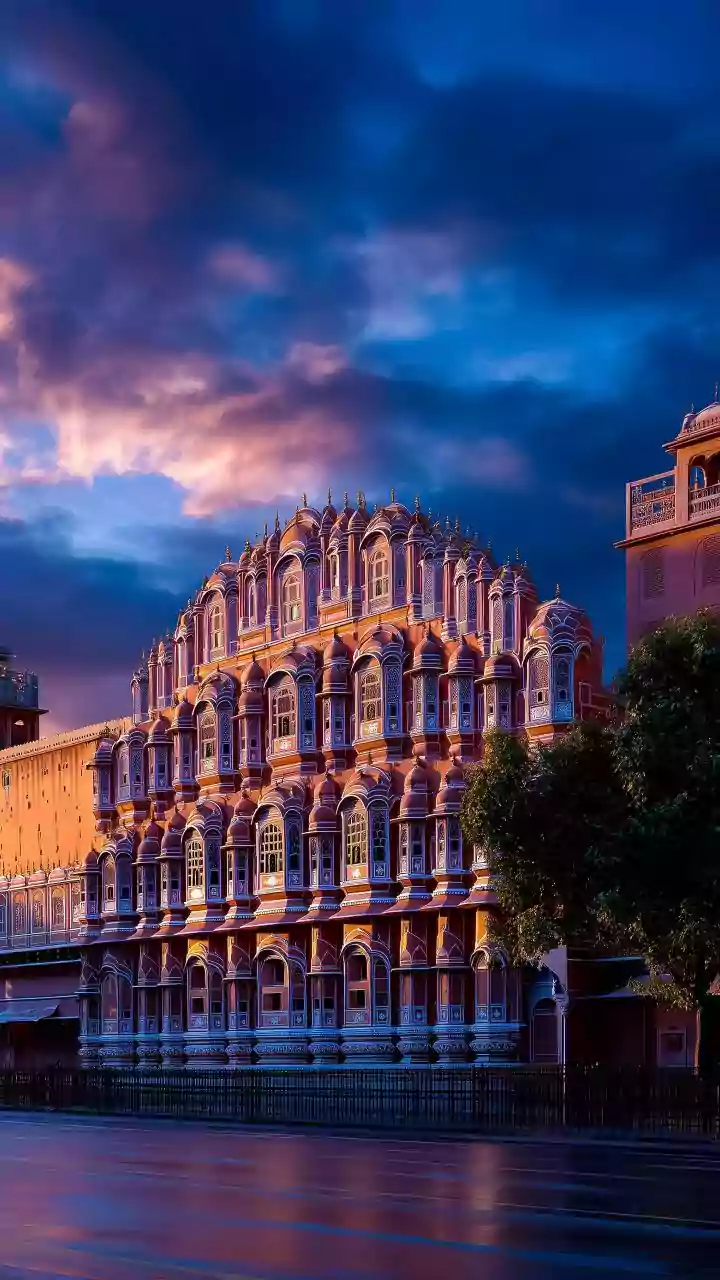
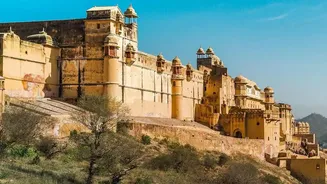
Jaipur's landscape is dotted with architectural marvels that tell the story of its regal past. The most iconic is Hawa Mahal, or the 'Palace of Winds', with its intricate fivestoyre façade of 953 latticed windows, designed to allow royal women to observe street festivities unseen. Nearby, the sprawling City Palace complex, still a partial residence for the royal family, offers a glimpse into the opulent lifestyle of the Maharajas. No visit is complete without ascending to the magnificent Amer Fort, a stunning blend of Rajput and Mughal architecture perched on a hilltop. And for a testament to the founder's scientific mind, the Jantar Mantar observatory—a UNESCO World Heritage site—features a collection of colossal astronomical instruments built from masonry.
Beyond the Palace Walls
While the forts and palaces are breathtaking, Jaipur's true spirit resides in its bustling streets and vibrant markets. The city is a treasure trove for shoppers. Johari Bazaar glitters with traditional Kundan and Meenakari jewellery, while Bapu Bazaar is famous for its leather goods. The modern city has also cultivated a dynamic food scene, where centuries old recipes are served alongside contemporary cafe culture. This blend of old and new is what makes Jaipur so compelling. It's a place where you can explore a centuries old fort in the morning, shop for artisan textiles in the afternoon, and enjoy a world class meal in the evening. As the city gears up for its 300th year, local trade associations are also launching campaigns to make the historic core cleaner and more organised, ensuring its heritage remains vibrant for centuries to come.