




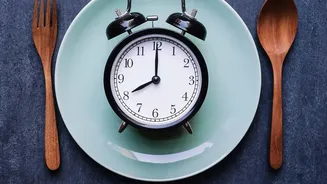


The Metabolic Cost of Working at Night
Working against the body's natural clock does more than just make you tired. It throws your internal systems into a state of 'circadian misalignment'. This misalignment is a major reason why shift work is linked to a higher risk of developing metabolic
disorders like obesity, type 2 diabetes, and heart disease. When you work, sleep, and eat at odds with the natural light-dark cycle, you're essentially asking your body to digest food when it’s biologically prepared for rest. This leads to problems with blood sugar control, insulin resistance, and increased inflammation.
Your Body's Two Clocks
Think of your body as having two primary clocks. The first is the 'master clock' in your brain, which is mainly set by light. It tells your body when to feel awake and when to feel sleepy. But you also have 'peripheral clocks' in your organs, including your liver, gut, and pancreas. These clocks are most powerfully influenced by when you eat. In a typical day-schedule, these two clocks are synchronised. But for a shift worker, they can become completely desynchronised. Your brain's clock knows it's 2 AM because of the darkness outside, but your gut's clock is being activated by a midnight meal, creating conflicting signals that wreak havoc on your metabolism.
The Power of Daylight Eating
This is where the concept of 'daylight eating' or time-restricted feeding comes in. The strategy is simple: consume all your meals and calories within the daylight hours, and fast during your night shift. Several studies have shown this to be remarkably effective. One key study found that shift workers who ate meals during the day and night saw their blood glucose levels increase by 6.4%, a risk factor for diabetes. In stark contrast, the group that ate only during the daytime showed no such increase, even though they were doing the same simulated night work.
How It Restores Balance
Restricting food intake to daylight hours helps to realign your body's peripheral clocks with the master clock in the brain. Even though you are awake and working at night, you are not sending the confusing 'it's time to eat and digest' signal to your organs. This alignment has profound benefits. It prevents the dangerous spikes in blood sugar that come with nighttime eating and improves glucose tolerance. It also protects cardiovascular health by preventing increases in risk factors like high blood pressure and markers for blood clots, which have been observed in shift workers who eat at night.
Making Daylight Eating Work for You
Adopting this lifestyle requires planning, but it is achievable. The goal is to create a consistent eating window of 8-10 hours during the daytime. For example, if you finish your night shift at 7 AM, you might have your first meal then and your last meal by 5 PM. During your night shift, focus on staying hydrated with water. If you feel you need something, a light, non-caloric beverage like herbal tea can help. It may feel counterintuitive to fast while you work, but the research suggests that avoiding food during the night is one of the most powerful things you can do to protect your long-term health.


