




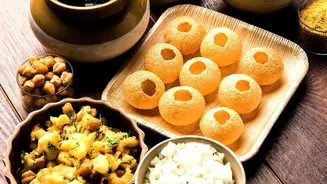
The Great Indian Balancing Act
For generations, Indian meals were defined by tradition and time-intensive preparation. Today, that equation is changing. The contemporary Indian consumer, particularly in urban centres, is juggling longer workdays, commutes, and the demands of modern
life. This has created a powerful tension between the desire for convenience and a deep-seated craving for the authentic, familiar flavours of home-cooked food. People don't want to compromise on the taste of tradition, but they no longer have the hours to cook from scratch. This isn't just about faster food; it's about smarter food that fits a new lifestyle without sacrificing cultural identity.
Why Now? Drivers of a Culinary Shift
Several socio-economic factors are fuelling this trend. Rapid urbanisation and the rise of nuclear, dual-income households mean fewer hands and less time are available for cooking. A post-pandemic focus on health and hygiene has also made consumers more conscious of what they eat, steering them away from restaurant meals laden with excess oil and spice, and towards options that feel more wholesome. Furthermore, rising disposable incomes allow consumers to pay a premium for quality and convenience. The result is a booming market for products and services that deliver on a simple promise: the taste of home, ready in minutes.
Ready-to-Cook, Not Ready-to-Compromise
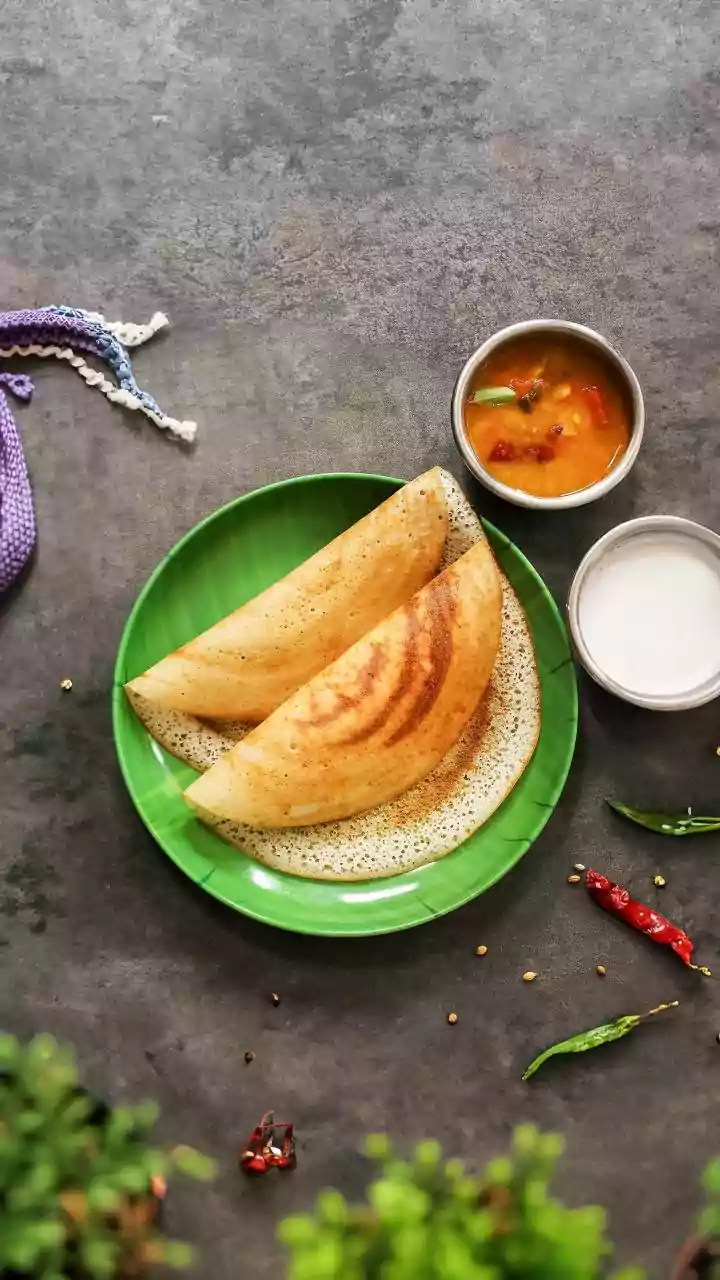
The major benefactor of this trend is the ready-to-cook (RTC) category. Unlike ready-to-eat (RTE) meals, which are often just heated up, RTC products like fresh idli and dosa batter, marinated paneer, and pre-made gravies offer a middle path. They provide the convenience of pre-preparation while still allowing the consumer to be involved in the final cooking process, lending a feeling of freshness and control. The RTC market has seen explosive growth, adding millions of new households in recent years. This segment's success highlights a key insight: consumers want to reduce labour, not eliminate the experience of cooking entirely. They seek a semi-homemade solution that delivers authentic flavour profiles without the hassle.
How Brands and Startups Are Responding
Legacy food giants and agile direct-to-consumer (D2C) startups are both tapping into this demand. Brands are launching everything from regional spice blends and traditional pickle flavours to RTC kits for complex dishes that would otherwise take hours to prepare. The D2C model has been particularly effective, allowing brands to build direct relationships with customers and cater to niche regional tastes. Many of these new companies are founded on the principle of delivering 'tradition, simplified'. Simultaneously, a modern version of the tiffin service is emerging, with home chefs and neighbourhood kitchens using online platforms to deliver daily, home-style meals that directly answer the call for 'ghar jaisa khana'.
The Future of the Indian Plate
The fusion of convenience and familiarity is more than a fleeting trend; it represents a fundamental evolution in India's food culture. As technology improves and distribution networks like quick commerce expand, the accessibility of high-quality, authentic-tasting convenience food will only increase. We can expect to see more innovation in this space, with brands focusing on hyper-regional cuisines, healthier formulations, and sustainable packaging. The core of the Indian kitchen—its dals, rice, and regional staples—will remain, but the methods of bringing them to the table are being permanently transformed. The future of Indian food isn't about replacing tradition, but about making it more accessible for the next generation.