







More Than Just a Vacation
Forget frantic sightseeing schedules and packed itineraries. The emotional reset trip is the antithesis of a conventional holiday. It’s not about seeing as much as possible, but feeling as much as you need to. The goal isn’t to collect souvenirs or Instagram
photos, but to reclaim mental and emotional space. These journeys are deliberate, often solo, and built around restorative activities rather than tourist attractions. Think less of ticking off a bucket list and more of clearing your mind. The destination is secondary to the intention: to disconnect from the pressures of daily life—work, social obligations, digital noise—and reconnect with oneself. It’s a purposeful pause, designed to address the creeping sense of burnout that has become a hallmark of modern urban life.
The Burnout Generation's Response
So, why is this trend gaining momentum now? It's a perfect storm of cultural shifts. India's corporate culture, particularly in its bustling metros, is notorious for its demanding pace. Long hours, high-pressure targets, and the 'always-on' expectation fueled by technology have left a generation of young professionals feeling drained. The pandemic amplified this, blurring the lines between work and home and leading to unprecedented levels of stress and isolation. Simultaneously, conversations around mental health have become more mainstream. The stigma is slowly fading, and people are more willing to acknowledge their emotional needs and proactively seek solutions. The emotional reset trip has emerged as a tangible, accessible way to address these feelings. It’s a self-prescribed remedy for a world that never seems to stop, a conscious choice to step off the hamster wheel before it breaks you.
What an Emotional Reset Looks Like
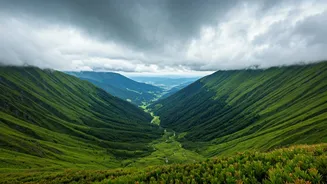
There is no one-size-fits-all formula for an emotional reset trip, but common themes have emerged. Solitude is a key ingredient. Many opt for solo travel to avoid the social pressures and compromises that come with group holidays. Destinations are often chosen for their tranquility and connection to nature. The serene backwaters of Kerala, the misty mountains of Himachal Pradesh or Uttarakhand, the quiet, windswept beaches of Goa in the off-season, or secluded wellness retreats near cities like Pune and Bengaluru are popular choices. Activities are typically low-key and mindful: long walks in nature, reading a book without interruption, yoga and meditation, or simply doing nothing at all. A crucial element is the digital detox. Travellers often make a conscious effort to limit screen time, letting their minds wander without the constant interruption of notifications and emails. The focus is on simplicity, silence, and slowness.
Is It Really 'Therapy'?
While the term 'travel therapy' is catchy, it's important to be clear. An emotional reset trip is not a substitute for professional mental healthcare. It cannot cure clinical anxiety or depression. Rather, it should be seen as a powerful tool for mental wellness and stress management—a form of preventative care or a complementary practice. Psychologists note that a change of environment can disrupt negative thought patterns and rumination cycles. Spending time in nature has been shown to reduce cortisol (the stress hormone) and boost mood. The act of planning and taking a trip for oneself can also be an empowering experience, fostering a sense of agency and self-care. It's therapy in the colloquial sense: a restorative activity that helps you process thoughts, gain perspective, and return to your life with a renewed sense of clarity and energy.