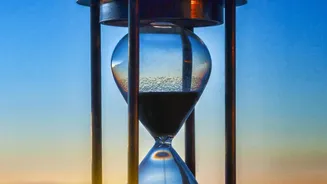






The Unique Challenge of Shift Work
Working nights, rotating schedules, or early morning shifts throws the body's internal clock, or circadian rhythm, into disarray. This 24-hour cycle is hardwired to associate darkness with rest and light with wakefulness. When you work through the night and try
to sleep during the day, you're fighting millions of years of evolution. This misalignment is why many of the 15-20% of workers on shift schedules report fatigue, poor sleep, and difficulty concentrating. The consequences aren't just feeling tired; chronic circadian disruption can lead to long-term health issues. Finding effective strategies to manage this is crucial for well-being and performance. While complete adaptation is difficult, studies show that even partial adjustments can bring night shift performance back to daytime levels.
How Light Controls Your Sleep-Wake Cycle
Light is the single most powerful signal that regulates your circadian rhythm. When your eyes detect light, especially the blue-wavelength light emitted by the sun, LED bulbs, and electronic screens, your brain gets a strong message: it's daytime. This signal actively suppresses the production of melatonin, a hormone that tells your body it's time to become sleepy. As natural darkness falls, melatonin levels should rise, preparing you for sleep. However, exposure to bright, artificial light in the evening can trick your brain into thinking it's still daytime, delaying melatonin release and making it harder to fall and stay asleep. This is a challenge for everyone in our modern, screen-filled world, but it's especially problematic for shift workers who need to sleep while the sun is out and be alert when their bodies expect to be resting.
The Critical Importance of Deep Sleep
Not all sleep is created equal. The most restorative phase is known as deep sleep, or slow-wave sleep. During this stage, your body works hard to repair tissues, consolidate memories, and clear out toxins from the brain. It's essential for feeling physically refreshed and mentally sharp. When your circadian rhythm is disrupted by mistimed light exposure, you often get less deep sleep, even if you manage to log enough total hours. This is why you can sleep for eight hours and still wake up feeling groggy and unrefreshed. Improving the quality of your sleep by increasing the proportion of deep sleep is just as important as increasing the quantity. Recent studies on 'circadian-informed lighting' have found that strategic light exposure can improve sleep, alertness, and performance for those working irregular hours.
Your Action Plan for Smarter Lighting
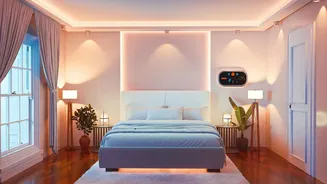
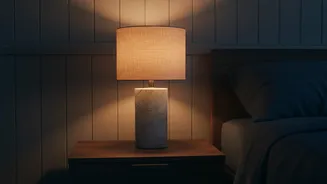
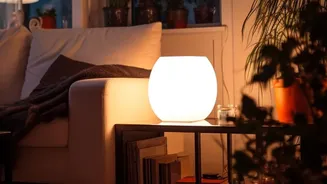
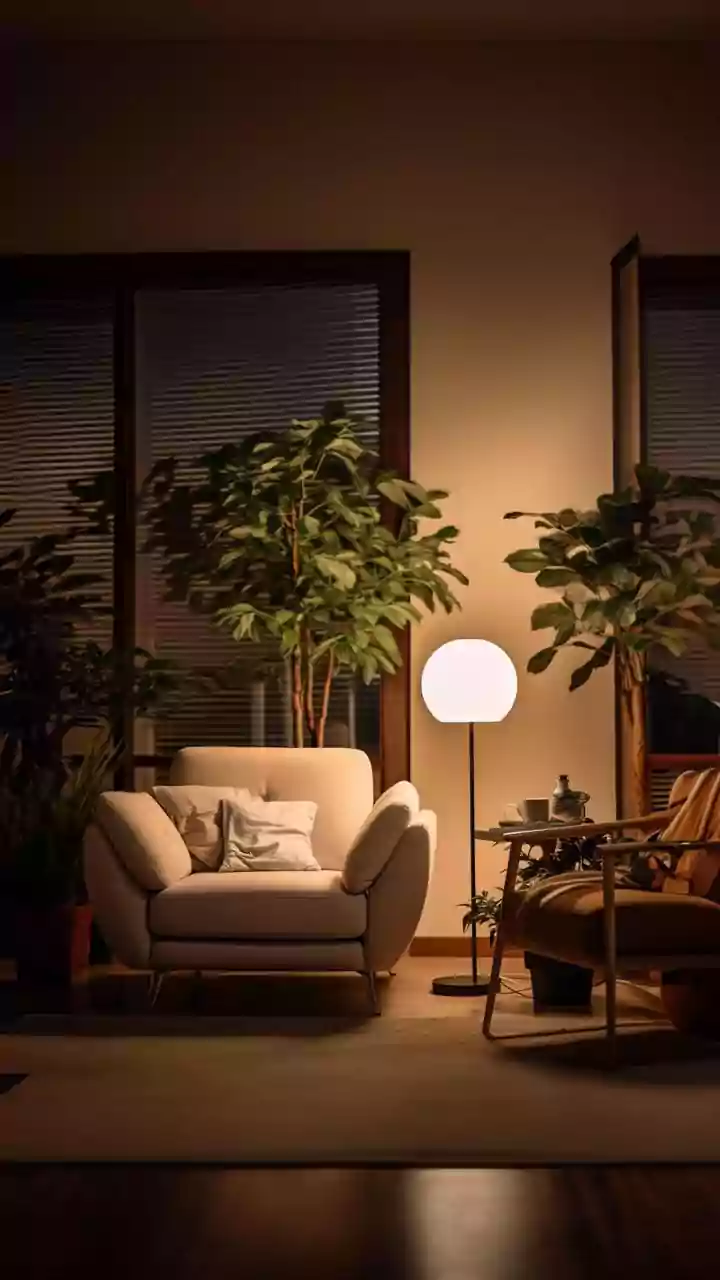
The key is to mimic the natural cycle of the sun inside your home. You can create an artificial sunset to signal to your brain that it's time to wind down, even if your 'night' begins at 9 AM. Here’s how: Wear Sunglasses on the Way Home: After a night shift, the morning sun is your enemy. Wear dark, wraparound sunglasses on your commute to block the bright light that screams 'wake up' to your brain. This is one of the most effective ways to preserve your melatonin levels. Switch to Warm-Toned Bulbs: In the hours before you plan to sleep, avoid bright, blue-toned LED and fluorescent lights. Switch to lamps with amber or warm-white bulbs. Smart bulbs that allow you to adjust the colour temperature are an excellent investment. Use Dimmers: Gradually lower the intensity of your lights in the two hours before bed. This simulates a natural sunset and gently eases your body toward a state of rest. Activate 'Night Mode' on All Devices: Your phone, tablet, and computer all emit powerful blue light. Use their built-in 'night mode' or 'dark mode' settings to shift the screen to a warmer, amber hue. This simple change significantly reduces the light's alerting effect. * Consider Blue-Blocking Glasses: For an extra layer of protection, amber-tinted glasses that filter out blue light can be very effective when worn for 1-2 hours before sleep. Studies have shown they can help improve sleep quality, particularly for those with existing sleep disturbances.