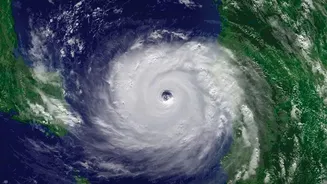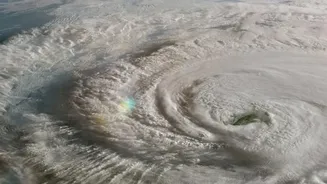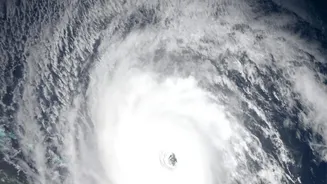








With Cyclone Arnab causing widespread disruptions across India's eastern coast, travel plans have been thrown into chaos. If your journey is unavoidable, a series of critical pre-travel checks can ensure your safety and preparedness.
Confirm Your Mode of Transport
The first step before
leaving home is to verify that your flight, train, or bus is still operating. Cyclones frequently lead to widespread cancellations. For air travel, check your airline’s official website or mobile app for the latest flight status. Airlines like Air India and IndiGo have issued advisories and are providing updates on services to affected airports like Visakhapatnam and Vijayawada. For train journeys, Indian Railways' National Train Enquiry System (NTES) is the most reliable source. You can check your train's status via the NTES website or by calling the helpline at 139. Due to Cyclone Arnab, numerous trains have been cancelled or diverted, particularly on routes in Andhra Pradesh and Odisha. Always get your information from official sources, as schedules can change rapidly.
Assess Your Route for Road Travel
If you are travelling by car, your primary concern is the condition of the roads. Heavy rainfall leads to waterlogging and, in severe cases, flash floods and landslides that can make routes impassable. National and state disaster management authorities, along with local traffic police, often provide updates on road closures. Avoid any routes known to be prone to flooding. It takes only a few inches of water to lose control of a vehicle, and what looks like a simple puddle could be hiding a washed-out road underneath. The clear advice from safety agencies is 'Turn Around, Don't Drown'. Do not attempt to drive through flooded roads. Reduce your speed, double your following distance, and use headlights to improve visibility for yourself and others.
Monitor Official Weather Advisories
Your most trustworthy companions during a cyclone are the updates from official agencies. The India Meteorological Department (IMD) is the primary source for tracking the storm's path, intensity, and expected rainfall. Follow their bulletins closely. Additionally, the National Disaster Management Authority (NDMA) and state-level disaster management authorities (APSDMA in Andhra Pradesh, for example) issue safety guidelines, evacuation orders, and helpline numbers. Heed all warnings and instructions from local authorities. These advisories are designed to keep you safe and can help you make informed decisions about whether to proceed with, delay, or cancel your travel plans.
Secure Your Accommodation and Destination
Before you set off, contact your hotel or place of lodging to confirm they are operational and that the area is safe and accessible. In the aftermath of a cyclone, essential services like power and water supply can be disrupted for days. Ask about their preparedness and if they have backup power. It is also wise to have a backup plan. Research alternative accommodation in a safer, less affected area in case your primary destination becomes unreachable or is deemed unsafe upon your arrival. Keep contact information for local emergency services at your destination handy.
Pack a Comprehensive Emergency Kit
Being self_sufficient is crucial when travelling during a severe weather event. Your emergency kit should be packed in a waterproof bag and contain essentials for at least 72 hours. This includes non_perishable food, sealed drinking water, and any required prescription medications. A fully charged power bank is non_negotiable for keeping your phone operational. Also include a first_aid kit, a torch with extra batteries, a small towel, and basic toiletries. Keep digital and physical copies of your important documents—like ID, tickets, and hotel bookings—in a sealed plastic bag. If you get stranded, these supplies can make a significant difference.
Communicate Your Plans Clearly
Inform your family or friends about your detailed travel itinerary, including your mode of transport, route, and expected arrival time. Schedule regular check_ins with them. Before you leave, download offline maps of the area on your smartphone, as mobile networks can be unreliable during and after a storm. This ensures you can navigate even without an internet connection. If you are travelling to an area that is under an evacuation order or severe weather warning, the safest decision is to postpone your trip. No journey is more important than your personal safety.