





The Dream of Going Big
There's an undeniable appeal to large-scale items. An oversized sofa can feel like a warm hug, a large dining table promises grand gatherings, and a substantial bed frame can make a bedroom feel like a luxurious retreat. These pieces command attention,
anchor a room, and make a powerful statement about your style. In spacious showrooms or glossy magazines, they look magnificent. This allure often makes us focus on the aesthetic and emotional impact, causing us to overlook the practical realities of incorporating such a large object into our daily lives. The problem is that our homes are not showrooms; they are functional spaces where every inch matters. When a piece of furniture is out of scale, it can make a room feel cramped and stressful rather than impressive and inviting.
The Doorway and Hallway Gauntlet
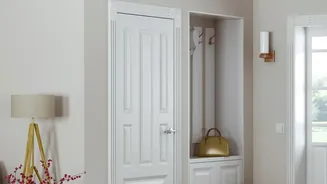
The first, and often most dramatic, challenge is simply getting the item into your home. A beautiful king-sized bed frame is useless if it can't make it up the stairs or around a tight corner in the hallway. Before you buy, measure every single point of entry, from the main door to the final room. This includes the width and height of all doorways, hallways, and stairwells. Don’t forget to measure the diagonal depth of doorways, as delivery teams often tilt items to get them through. Once inside, the frame's impact on traffic flow becomes the next issue. A large sofa or bed can obstruct a doorway, preventing it from opening fully, or narrow a key walkway. Interior designers recommend a minimum of 36 inches for clear pathways to ensure you can move around comfortably and the space doesn't feel cramped.
The Switch and Socket Struggle
You’ve successfully navigated the delivery, and the piece is in place. But now you realise the stunning, floor-to-ceiling headboard is completely blocking the only two power outlets on that wall. It's a common oversight that can become a major inconvenience. Suddenly, charging your phone, plugging in a reading lamp, or using a vacuum cleaner requires an extension cord snaking across the room. The same goes for light switches. Placing furniture in front of a switch forces you to awkwardly reach behind it every time you enter or leave a room. While planning your room layout, take note of all existing outlets and switches. Ensure your new large frame doesn't render them inaccessible. If placement is unavoidable, consider furniture with built-in outlets or plan for floor outlets if you are renovating.
The Hidden Cleaning Challenge
Large, heavy frames often sit directly on the floor or have very minimal clearance. While this can create a bold, solid look, it also creates a paradise for dust, pet hair, and lost items. Cleaning becomes a significant chore when you can't easily access the space underneath. Heavy platform beds or monolithic sofas are rarely moved, allowing dust bunnies to multiply undisturbed. This can affect the air quality in your home and become a nuisance. Furthermore, if a small item like an earphone or a child's toy rolls underneath, retrieving it can be a major operation. When choosing a large piece, consider models with legs that offer enough clearance for a vacuum cleaner or a mop to pass underneath. It’s a small detail that can make a huge difference in long-term maintenance.
Plan Before You Purchase
Avoiding these frustrations comes down to one thing: careful planning. Before falling in love with an oversized item, grab a tape measure. First, measure the item's dimensions—width, depth, and height. Then, outline these dimensions on the floor of your room using painter's tape. This simple trick helps you visualise the piece's true footprint and how it will affect the room's flow. Check clearances around it, ensuring there are at least three feet for major walkways. Make sure you can still comfortably open closet doors, drawers on other furniture, and windows. By thinking through the practicalities of delivery, placement, and daily use, you can ensure your big, beautiful frame remains a source of joy, not a source of regret.