



The Real Culprit: Microscopic Stowaways
That damp, musty smell isn't from the water itself. It’s the result of microscopic organisms—namely bacteria and mould spores—that have come alive in your fabrics. These microbes are always present in small numbers, but they thrive in warm, moist environments.
High humidity provides the perfect conditions for them to multiply. When clothes stay damp for too long, it creates an ideal breeding ground for these unwanted guests. Even after a wash cycle, some bacteria can survive, and when moisture lingers, they get to work.
What These Microbes Are Feeding On
Clean clothes aren't entirely 'clean' from a microbial perspective. They still contain residual organic matter that bacteria and fungi consider a feast. This includes sebum (natural oils from your skin), sweat residue, and even leftover traces of detergent and fabric softener. As these microorganisms consume these compounds, they release Volatile Organic Compounds (VOCs), which our noses detect as that familiar sour or musty smell. So, the odour isn't a sign of dirt, but of microbial activity on a microscopic buffet left in the fabric.
The Slow-Drying Trap
The single biggest factor that turns a clean wash into a smelly one is slow drying time. High humidity means the surrounding air is already saturated with water vapour, which drastically slows down the rate of evaporation from your clothes. A t-shirt that might dry in a few hours on a dry day could stay damp for more than a day in humid weather. This extended dampness is the window of opportunity microbes need to grow, multiply, and produce odours. The problem is almost always about how long the fabric stays wet, not how well it was washed.
Is Your Washing Machine Helping or Hurting?
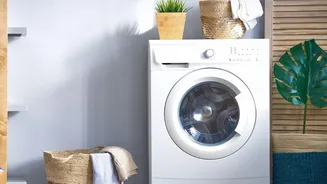
Sometimes, the problem starts inside the washing machine itself. The rubber seals, detergent drawers, and even the drum of a front-loading machine can be prime spots for mould and mildew growth if they aren't allowed to dry out properly between uses. These lingering spores can then transfer to every load of laundry, essentially seeding your clean clothes with the very microbes that will cause a musty smell later. Leaving the machine door ajar after a wash to allow it to air out is a simple but crucial step. Regularly running a cleaning cycle can also help keep the machine itself fresh.
Fighting Back: Smarter Washing Habits
To prevent the smell, you have to tackle the microbes. Start by not letting damp or sweaty clothes sit in the hamper for long, as this gives bacteria a head start. When washing, avoid using too much detergent, as the residue can trap moisture and become food for microbes. For a particularly stubborn load, adding a cup of white vinegar to the rinse cycle can help kill bacteria and neutralize odours. Where fabric allows, using a warmer water setting can also be more effective at reducing the microbial load.
Mastering the Art of Drying in Humidity
Since slow drying is the main enemy, speeding it up is your best defence. Good airflow is essential. If you're drying clothes indoors, use a fan to circulate air around the drying rack. It’s also important not to overcrowd the rack; space out your clothes so air can move between them. Drying smaller loads is more effective than trying to dry one massive load at once. If possible, an extra spin cycle at the end of the wash can remove more water and give you a head start on drying. Whenever the sun makes an appearance, take advantage of it. The UV rays are a natural disinfectant that helps kill odour-causing bacteria.
Smart Storage for Fresh Clothes
The battle isn't over once the clothes are dry. If your closet is humid, your perfectly fresh clothes can reabsorb moisture from the air and develop a stale smell over time. Ensure your wardrobe has some ventilation. Don’t pack clothes in too tightly, as this restricts airflow. For long-term storage or in particularly damp closets, consider using moisture-absorbing products like silica gel packets or a small, reusable dehumidifier to keep the environment dry. This final step ensures your hard-won freshness actually lasts until you're ready to wear your clothes.