


Create a Safe Haven
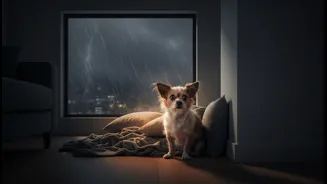
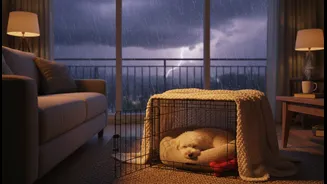
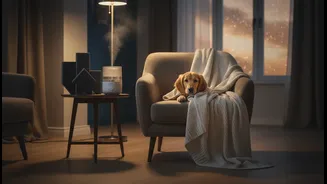
The first step in managing storm anxiety is giving your pet a secure place to retreat. In an apartment, this can be a walk-in closet, a bathroom, or even a crate covered with a heavy blanket to create a den-like feel. This space should be away from windows
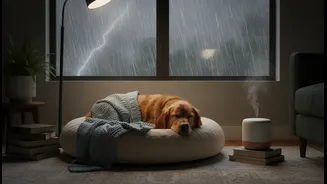
to minimize flashes of lightning and muffle sound. Fill it with their favorite bed, blankets, and toys to make it inviting. The key is to let your pet choose and access this space freely; never force them into a confined area, as that can increase panic. Making this spot a permanent, positive place—not just one that appears during storms—helps them associate it with comfort and safety year-round.
Mask the Storm's Soundtrack
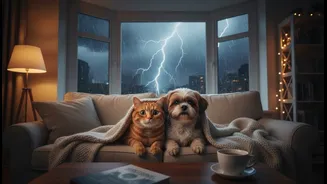
A pet's hearing is far more sensitive than ours, making thunder and wind sound overwhelming. In an apartment setting, you can help drown out the scary noises by using sound masking. Playing calming classical music, turning on a television, or using a white noise machine can create a consistent, soothing audio environment that reduces the startling impact of sudden thunderclaps. Some sources even suggest that music with a strong, consistent beat can be distracting enough to prevent a pet from focusing on the storm outside. Closing all windows and drawing the blinds will also help to muffle external sounds and block frightening lightning flashes.
Try Calming Wraps and Pheromones
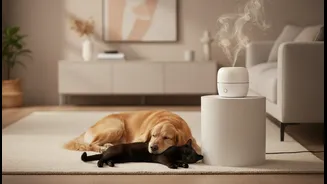
Several non-medicinal products can help soothe an anxious pet. Compression wraps, such as the ThunderShirt for dogs and cats, apply gentle, constant pressure that has a calming effect similar to swaddling an infant. Pheromone products are another popular option. These come as plug-in diffusers, sprays, or collars and release a synthetic copy of the calming pheromones that mother animals produce to soothe their young. Brands like Adaptil for dogs and Feliway for cats can help create a sense of security in the environment. While these aids can be very effective, their success varies from pet to pet.
Practice Long-Term Behavior Modification
For lasting change, experts recommend desensitization and counter-conditioning. This process involves playing recordings of storm sounds at a very low, barely audible volume while your pet is calm. As the sounds play, reward your pet with high-value treats, praise, or a favorite game. The goal is to change their association with the noise from fear to something positive. Over many sessions, you can gradually increase the volume, but only if your pet remains calm and comfortable. This training takes patience and must be done during a time of year when real storms are infrequent, but it is one of the most effective ways to treat noise phobias.
Manage Your Own Reaction
Pets are incredibly attuned to our emotions. If you are anxious or stressed about their fear, they will pick up on it, which can worsen their own anxiety. While it's tempting to excessively coddle a frightened pet, experts suggest this can sometimes reinforce the fearful behavior. Instead, project a calm and confident demeanor. It's okay to offer quiet reassurance through gentle petting if your pet seeks it, but avoid frantic, high-pitched comforting. Engaging them in a calm, familiar activity like a simple training game can also be a helpful distraction.
Know When to Consult a Veterinarian
If your pet's anxiety is severe—leading to destructive behavior, self-injury, or panic that doesn't respond to the methods above—it's time to speak with a professional. A veterinarian can assess the situation and rule out any underlying medical issues. They may recommend calming supplements containing ingredients like L-theanine or milk proteins. For severe cases, a vet might prescribe anti-anxiety medications. These medications are often most effective when given at least an hour before a storm is expected to hit, so they have time to work.