



The New Era of Festive Feasting
For generations, festive seasons in India have meant an abundance of rich, fried, and sweet foods. While joyful, these celebrations often lead to digestive discomfort and a feeling of heaviness. Now, a significant shift is underway. More people are seeking
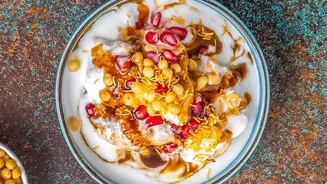
a balance between traditional indulgence and everyday wellness. This isn't about giving up favourite dishes, but about approaching them with mindfulness. The new festive plate is less about excess and more about savouring high-quality, comforting foods in sensible amounts. Chefs and home cooks are embracing this change, focusing on recipes that are both celebratory and kind to the body. The goal is no longer just to feast, but to enjoy the emotional and social nourishment of food without the physical cost.
Comfort is the New Indulgence
The current trend moves away from overly rich or processed items and towards wholesome, comforting foods that evoke nostalgia. Think of home-style preparations that feel special but aren't excessively heavy. Many traditional festive dishes are inherently nutritious, made with ingredients like lentils, millets, vegetables, and warming spices. The focus is on enhancing these natural qualities. For instance, khichdi, long considered a restorative meal, is now celebrated as a perfect post-festivity reset for the gut. Chefs are also reinterpreting classics by using quality ingredients and techniques that let the original flavours shine without needing excessive ghee or sugar. The sentiment is clear: true comfort comes from food that tastes good and makes you feel good.
The Art of Mindful Portions
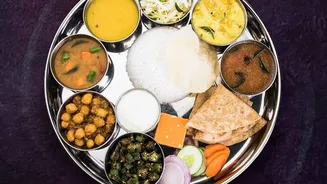
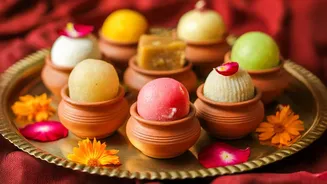
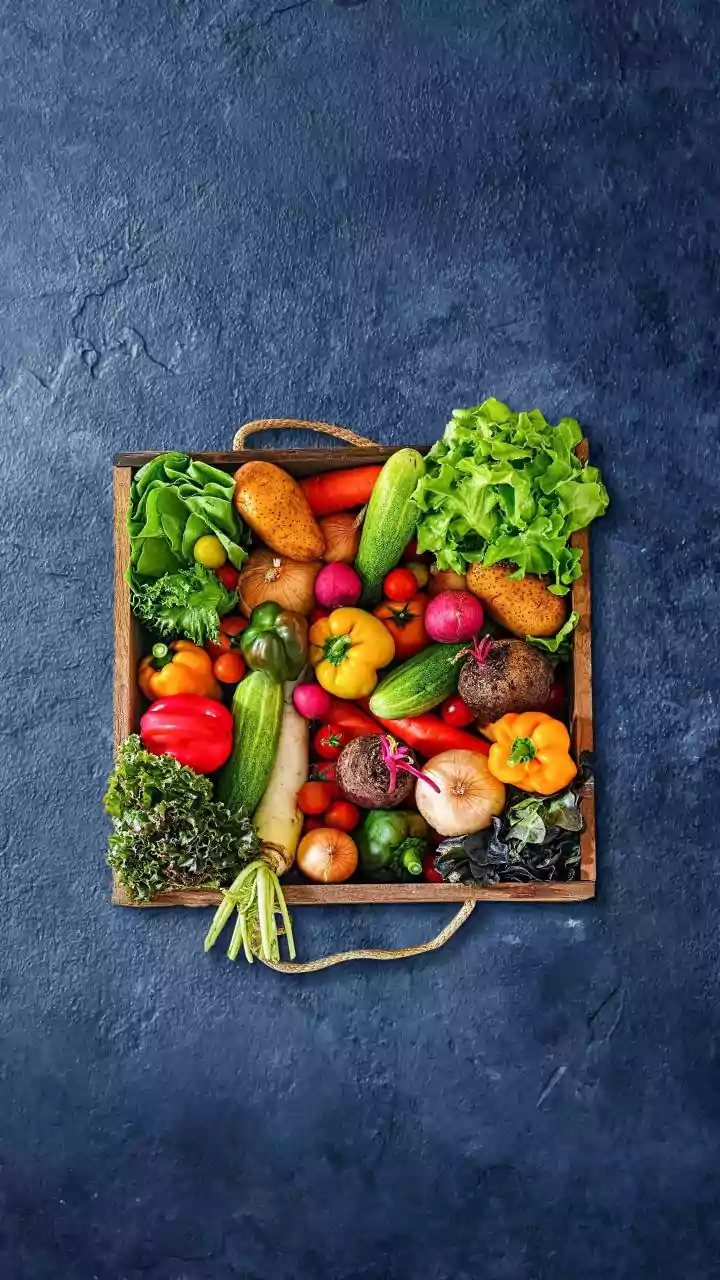
Instead of outright prohibition, portion control has become the new mantra for healthy festive eating. Nutrition experts advocate for enjoying your favourite treats, but in moderation. A practical strategy is the 'plate method': fill half your plate with vegetables or salad, a quarter with protein like dal or paneer, and the remaining quarter with grains such as rice or roti. Using smaller plates can also psychologically help in managing portions without feeling deprived. Another tip is to eat slowly and mindfully, paying attention to your body's signals of fullness. This approach allows you to sample a variety of dishes and savour each bite, leading to greater satisfaction with less quantity. The one-sweet rule—choosing only your absolute favourite mithai—is another popular way to indulge smartly.
Prioritising Digestive Wellness
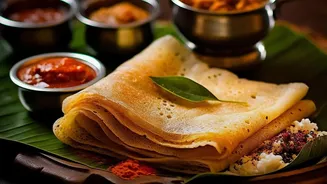
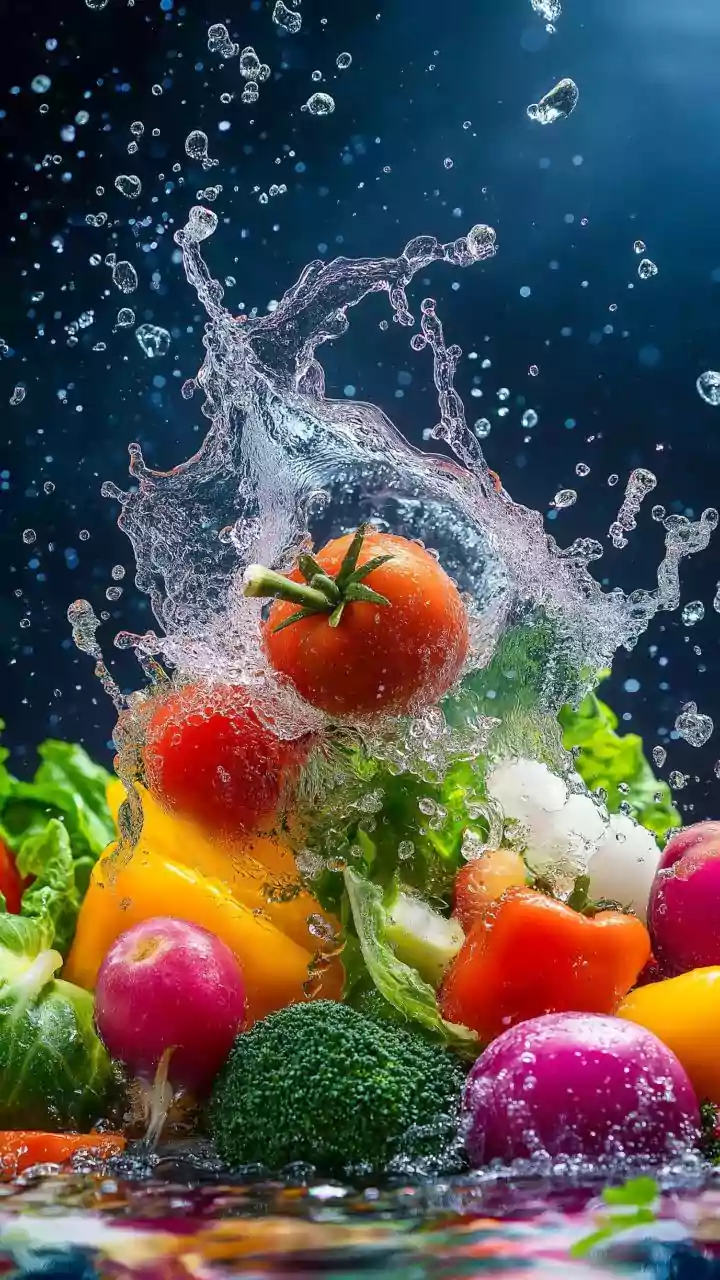
A key part of this new festive approach is a conscious focus on digestion. This involves not just what you eat, but how you eat it. Staying well-hydrated is crucial, as thirst is often mistaken for hunger and good hydration aids digestion. Incorporating digestive-friendly spices like ginger, ajwain (carom seeds), and jeera (cumin) into meals can help ease heaviness and bloating. Cooking methods are also being re-evaluated; baking or air-frying snacks like samosas and gujiyas instead of deep-frying is a popular choice that retains crispiness without the oil. Furthermore, fermented foods such as yogurt, idli, and dosa are being recognised for their ability to support gut health, making them excellent additions to a festive diet. Planning lighter meals on days surrounding a big feast can also help maintain balance.