




What Exactly is the Experience Economy?
At its core, the 'experience economy' is the shift from selling goods and services to selling memorable events. Think about the difference between buying coffee beans and savouring a latte in a beautifully designed café with the perfect playlist. The
coffee is the service, but the feeling and the memory you take away is the experience. In hospitality, this means customers choose places based on how they feel, not just what they buy. It’s about creating an engaging, emotionally resonant moment that people want to remember, talk about, and share. This shift is driven by a change in what consumers, particularly younger generations, value: memorable moments over material possessions.
From Dal Makhani to Dramatic Decor
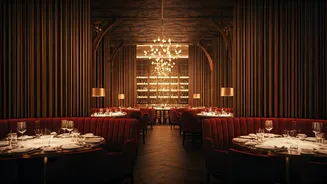
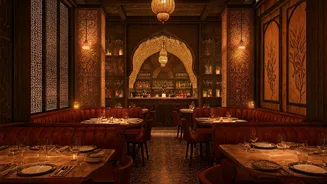
Across India's metros, this trend is reshaping the restaurant industry. Restaurateurs are realising that in a crowded market, a unique theme or a stunning ambience can be a powerful differentiator. It’s no longer enough to serve delicious food; the goal is to create a complete sensory journey. This can range from destination-inspired interiors and live music to interactive culinary events and chef's tables. We're seeing restaurants designed as prisons like Kaidi Kitchen, train carriages like Platform 65, or pirate ships like The Black Pearl. These establishments aren't just restaurants; they're entertainment venues where food is part of a larger performance. The rise in disposable income and a growing appetite for new, lifestyle-led social activities are fuelling this demand.
The Instagram-Ready Restaurant
A major catalyst for this experiential push is social media. Today, if you can't post it, did you even go? Restaurant owners are keenly aware that a visually striking space or a uniquely presented dish offers free, user-generated marketing. An 'Instagrammable' moment—be it a quirky neon sign, an elaborate cocktail, or a stunning vertical garden—can go viral, drawing in droves of new customers. Some reports suggest that up to 80% of dining trends become known to consumers through social media. This has led to a conscious design process where restaurants are built with photo opportunities in mind, turning every diner with a smartphone into a potential brand ambassador.
The Business of Creating a Vibe
While creating an immersive experience requires significant investment in design and decor, the business logic is sound. Experiential dining can justify higher price points, leading to better margins. More importantly, it fosters customer loyalty. A diner who leaves with a great memory is more likely to return and recommend the place to friends. These unique concepts also attract specific demographics, especially millennials and Gen Z, who are often seeking out novel things to do. By selling an experience, restaurants are selling a story, an escape, and a sense of belonging—intangibles that are far harder for competitors to replicate than a recipe. The focus has shifted from selling a dish to selling a memory.