



A Trail of Cosmic Crumbs
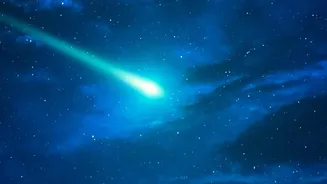
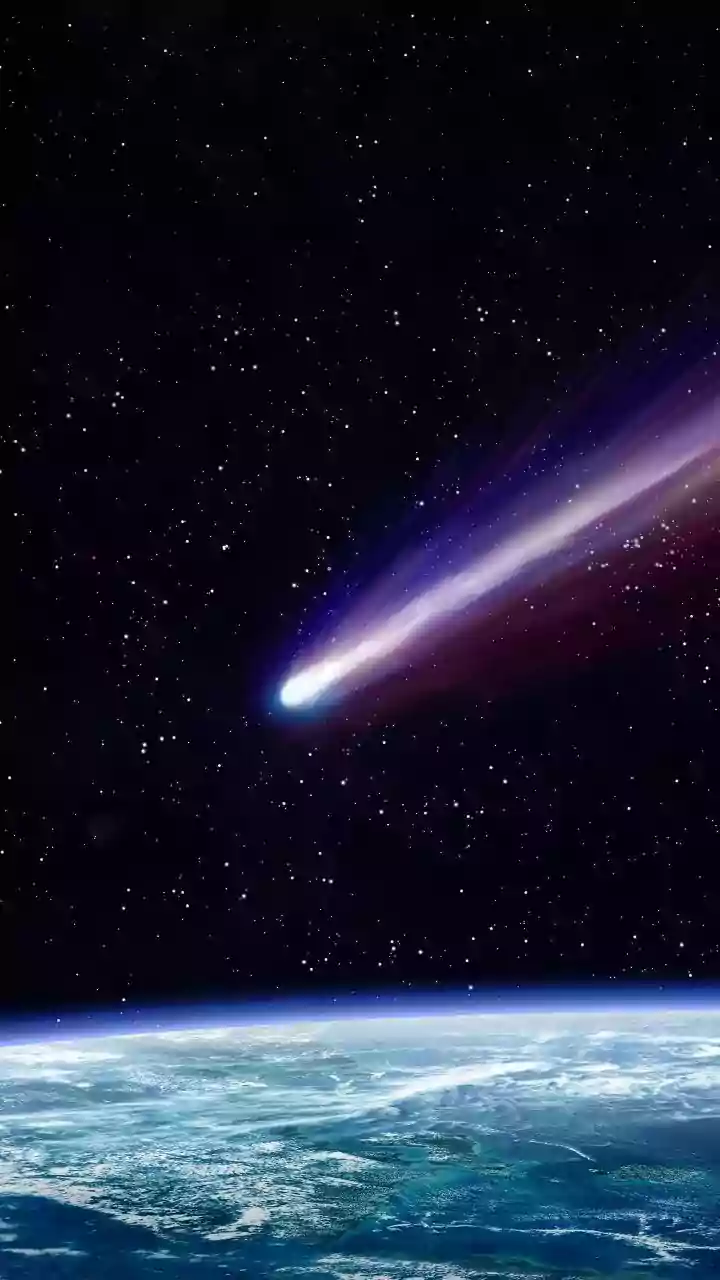
The secret behind the Orionids lies with one of the most famous objects in our solar system: Halley's Comet. This celebrated comet, which takes about 76 years to orbit the Sun, is like a messy traveler. Each time it swings through the inner solar system,
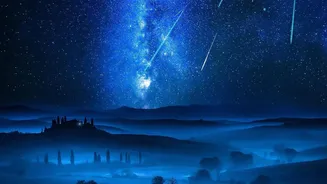
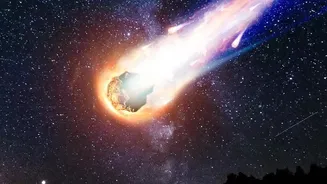
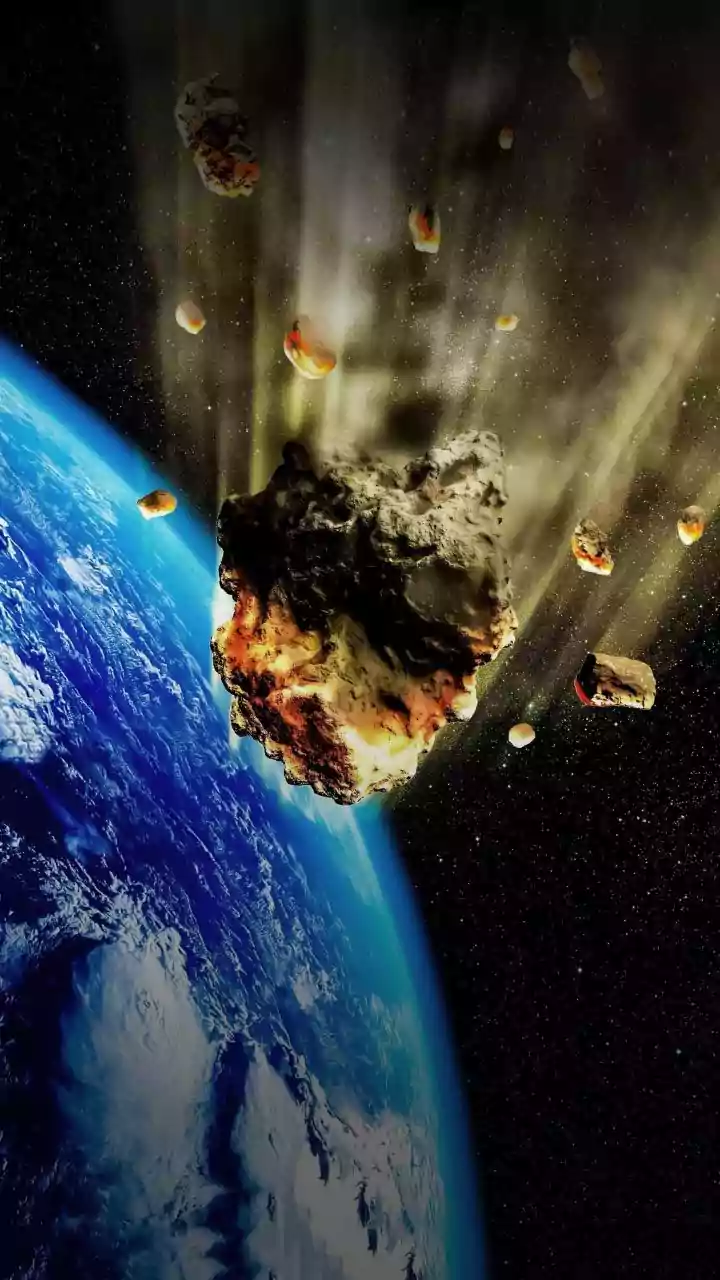
the Sun's heat causes it to shed a trail of ice, dust, and rock particles. This debris doesn't just disappear; it continues to float along the comet's orbital path, creating a vast, invisible river of cosmic dust in space. Meteor showers happen when Earth, on its own journey around the Sun, passes through one of these debris trails. The tiny particles, many no bigger than a grain of sand, slam into our atmosphere at incredible speeds—about 66 kilometres per second in the case of the Orionids—and burn up, creating the spectacular streaks of light we call meteors or 'shooting stars'.
Earth's Clockwork Orbit
The reason the Orionids peak in October is all down to celestial mechanics. The Earth’s orbit is like a fixed track around the Sun. Every year, at the same point in our orbit, we cross the path of Halley's Comet. This annual intersection happens in late October. Think of it like a railway crossing: Earth is the train that arrives at the same crossing at the same time every year, and the comet's debris trail is the road it crosses. This predictable schedule is why we can anticipate meteor showers like the Orionids and the Perseids (in August) with such accuracy. In fact, Earth passes through Halley's debris stream twice a year. The October crossing gives us the Orionids, while another crossing in May produces a different shower known as the Eta Aquariids.
What's in a Name? The Hunter's Radiant
Meteor showers are named after the constellation from which they appear to originate in the night sky. This point is called the 'radiant'. For the Orionids, this radiant point lies within the famous constellation of Orion the Hunter. While the meteors can appear anywhere in the sky, if you trace their paths backward, they will all seem to come from a spot near Orion's bright, reddish star Betelgeuse. You don't need to stare directly at the radiant to see the show; in fact, looking slightly away can often give you a better view of meteors with longer, more dramatic tails.
How to Watch the Orionids in 2026
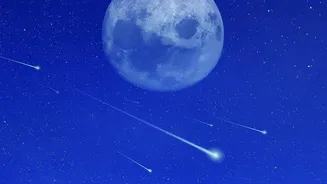
For those in India and across the Northern Hemisphere, the Orionid meteor shower will be active from early October to early November. The peak, when the most meteors are expected, will occur on the night of October 21-22, 2026. Under ideal conditions, you might see around 15 to 25 meteors per hour. The best time to watch is in the hours between midnight and dawn, as the radiant point in Orion climbs higher in the sky. Unfortunately, in 2026, a bright waxing gibbous moon will be present for much of the night during the peak, which will wash out fainter meteors. Your best opportunity will be in the few hours before dawn after the moon has set. For the best experience, find a location away from city lights, give your eyes about 30 minutes to adjust to the darkness, and simply lie back and look up. No special equipment is needed—just patience and a clear sky.