


The Two Faces of Iron
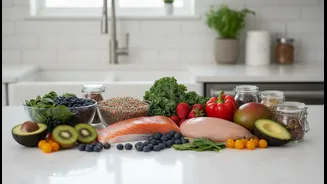
First, it's crucial to understand that not all dietary iron is created equal. Iron comes in two main forms: heme and non-heme. Heme iron is found in animal products like meat, poultry, and fish. Your body finds this type of iron very easy to absorb, with
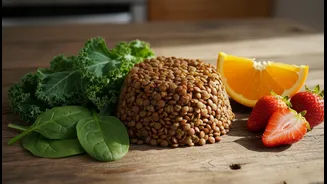
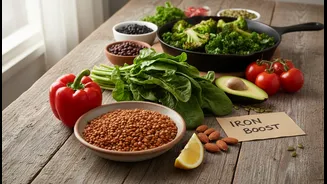
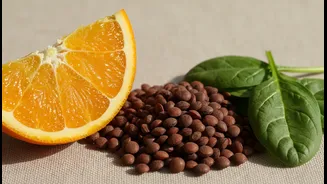
an absorption rate of about 15-35%. Non-heme iron is the type found in plant-based foods like leafy greens (palak), lentils (dal), beans (rajma), nuts, and fortified cereals. The absorption of non-heme iron is much less efficient, typically ranging from only 2-20%. This fundamental difference is why a vegetarian or vegan diet requires more careful planning to meet iron needs, a significant factor in India where plant-based diets are common.
Bioavailability: The Real MVP
This brings us to the concept of 'bioavailability'—a fancy word for the amount of a nutrient that your body can actually absorb and use. The iron number on a food label simply tells you the total milligrams of iron present in the product; it doesn't account for its bioavailability. Think of it like this: the number on the label is the money in a locked safe, but bioavailability is the key. Without the key, that money is useless. For non-heme iron, the key is what you eat along with it. The absorption of heme iron is largely unaffected by other foods, but the absorption of non-heme iron is dramatically influenced by your meal's composition.
The Absorption Blockers in Your Diet
Several common compounds, often found in healthy foods, can act as 'iron blockers,' significantly reducing your body's ability to absorb non-heme iron. The main culprits are phytates and polyphenols. Phytates are found in whole grains, legumes, nuts, and seeds. While soaking, sprouting, or fermenting these foods can reduce their phytate content, they can still inhibit iron absorption by 50% or more. Polyphenols are present in tea, coffee, and even some spices. Having your daily cup of chai or coffee with an iron-rich meal can reduce iron absorption by as much as 60-90%. Another major inhibitor is calcium. Consuming dairy products like milk, paneer, or yoghurt with your main meal can hinder the absorption of both heme and non-heme iron.
Your Iron-Boosting Allies
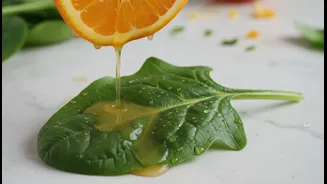
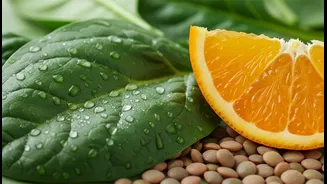
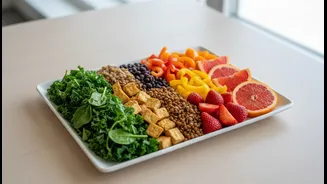
The good news is that you can just as easily boost iron absorption with the right food pairings. The undisputed champion of iron enhancement is Vitamin C. Consuming Vitamin C-rich foods with your iron source can increase the absorption of non-heme iron several times over. This is a simple but powerful strategy for anyone, especially those on a vegetarian diet. Think about squeezing lemon (nimbu) over your dal, having a side of tomato and bell pepper salad, or eating an amla or orange for dessert. These small additions make a huge difference, effectively unlocking the iron in your plant-based foods. Even eating small amounts of meat, fish, or poultry with plant-based iron sources can enhance non-heme iron absorption.
Building an Iron-Smart Plate
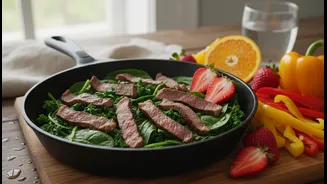
So, how do you put this all into practice? It's about synergy. Instead of just focusing on individual foods, think about your entire meal. If you're having a lunch of rajma and rice, add a generous squeeze of lemon and a kachumber salad with tomatoes and onions. For breakfast, if you're eating a millet-based roti like bajra, which is rich in iron, pair it with a small glass of orange juice instead of milk. Try to have your tea or coffee at least an hour or two before or after your main meals to avoid its inhibitory effects. For non-vegetarians, adding a little chicken to a vegetable stir-fry will not only provide high-quality heme iron but will also boost the absorption of the non-heme iron from the vegetables. By understanding these interactions, you move beyond the misleading raw numbers and empower yourself to build a truly iron-efficient diet.