

A Craving for Authenticity
In a world saturated with generic curries and standardized menus, there's a growing appetite for something real. Diners are increasingly seeking out food that tells a story—cuisine rooted in a specific place, community, and history. This quest for authenticity
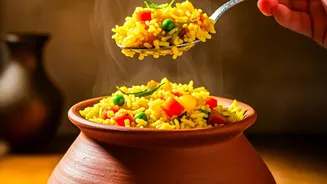
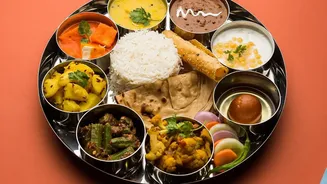
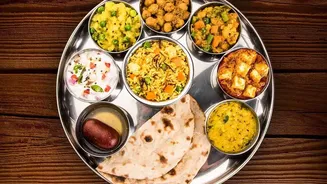
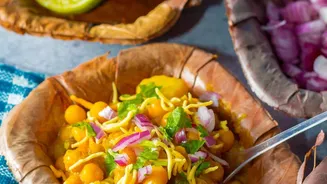
is driving a significant shift in India's food landscape. Food festivals, long dominated by established restaurants and commercial street food vendors, are now recognizing the immense value of home cooking. They are tapping into a vast, unwritten cookbook of recipes passed down through generations, offering festival-goers a taste of something unique that a restaurant might never serve.
From the Family Kitchen to the Festival Stall
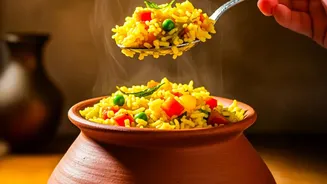
For many home cooks, this trend is a life-changing opportunity. What was once a lovingly prepared meal for the family is now a celebrated dish served to hundreds of enthusiastic foodies. Many of these cooks are women who have spent decades perfecting recipes without commercial aspirations. Now, they are being given a platform to showcase their culinary skills, gain financial independence, and receive public recognition for their art. These platforms are not just limited to physical festivals; a growing number of services now connect home chefs directly with customers seeking authentic, home-cooked meals for parties and events. This movement empowers cooks to share their passion and heritage on their own terms.
The Taste of Lost Time
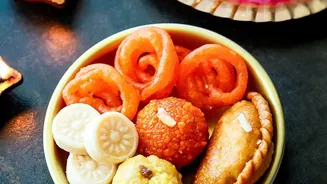
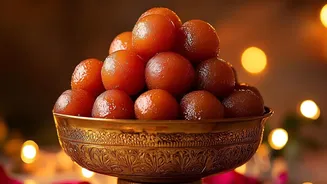
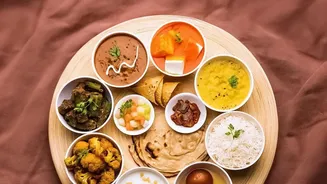
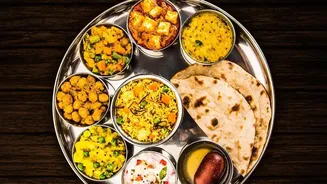
The dishes taking centre stage are often the ones that time forgot—at least in the commercial sense. Think of complex regional specialties, forgotten grains, or festive sweets that require hours of intricate preparation. These recipes are often not viable for a fast-paced restaurant kitchen but are the heart and soul of family traditions. Dishes like a traditional Kumaoni Bhatt ki Churkani, a black soybean dish, or a complex Mangalorean cucumber pudding are being revived by chefs and home cooks dedicated to preserving this legacy. They represent a direct link to a region's agricultural history and cultural practices, offering flavours that are both new and ancient at the same time.
More Than Just a Meal
Ultimately, this celebration of family recipes is about more than just food. It’s a form of cultural preservation. Every dish comes with a story—of a grandmother’s technique, a regional ingredient, or a festive tradition. When a home cook shares their food, they are sharing a piece of their identity and history. For festival-goers, especially younger generations, it’s an opportunity to connect with a past they may have only heard about. It transforms eating from a simple act of consumption into a meaningful cultural experience. These festivals become vibrant classrooms where heritage is not just discussed but tasted, ensuring that these culinary traditions don't just survive but thrive for years to come.