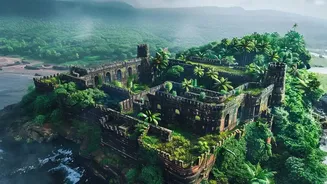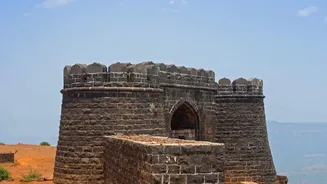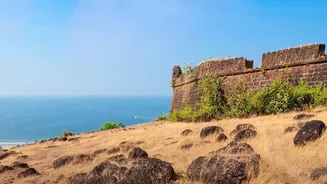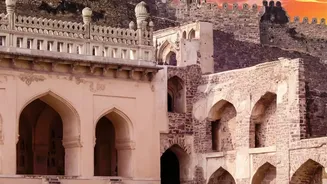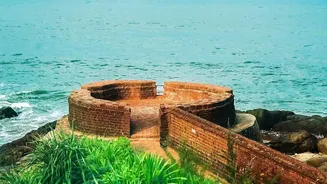



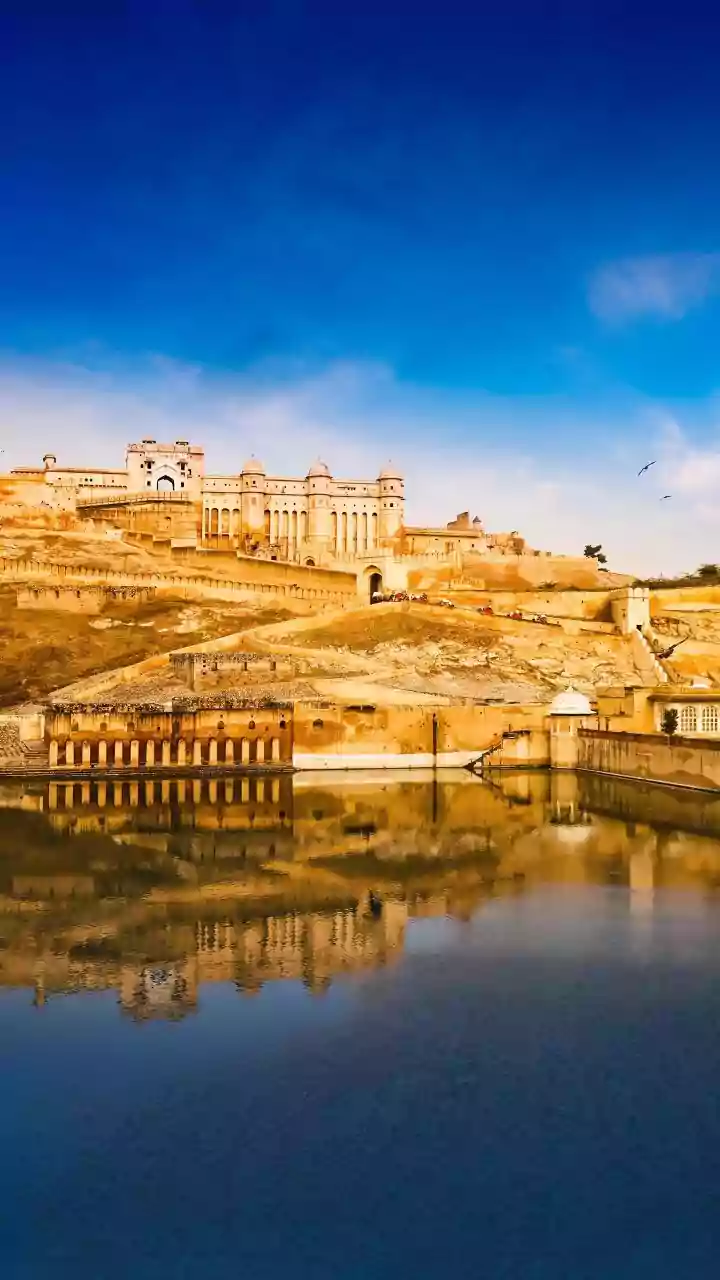
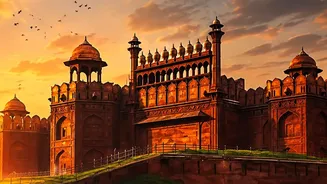
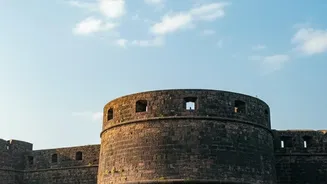
Perched on rocky outcrops, India’s coastal forts are silent sentinels of a bygone era. Along Maharashtra’s coastline, these stone giants are attracting a new wave of heritage travellers, eager to connect with stories of strategy, resilience, and trade.
A Fortress Unconquered
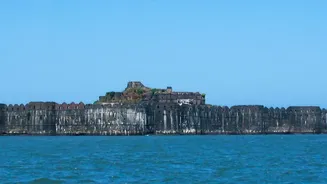
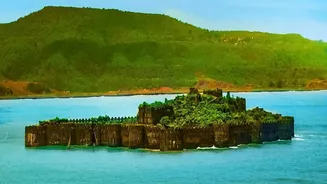
Among the many jewels of the Konkan coast, the Murud-Janjira fort holds a special place. Situated on an oval-shaped rock in the Arabian Sea, it is a formidable structure that remained unconquered for centuries, resisting attacks from the Marathas, Portuguese, and the British. This legacy of invincibility is a powerful magnet for visitors. The journey itself, a short sailboat ride from the Rajapuri jetty, builds anticipation, as the fort’s massive 40-foot-high walls slowly emerge from the sea, promising a direct encounter with history. This experience is the essence of heritage travel—it is not just about seeing a monument, but about feeling its story.
Echoes of a Maritime Past
The allure of Murud-Janjira lies in its rich, layered history. Originally a wooden structure built by local Koli fishermen in the 15th century to defend against pirates, it was later captured and rebuilt into a stone citadel by Malik Ambar of the Ahmadnagar Sultanate. It became the capital of the Siddis, mariners of Abyssinian origin, who controlled this bastion until India's independence. For heritage travellers, every corner of the fort whispers tales of its strategic importance. Guides and local storytellers bring these narratives to life, explaining how the fort was a critical naval base that controlled maritime trade routes and stood as a symbol of Siddi power on the coast.
An Architectural Marvel
Much of the fort's attraction comes from its brilliant military architecture. The main gate is ingeniously concealed, invisible to approaching ships until they are dangerously close, a feature designed to confuse attackers. Inside, the ruins of palaces, a mosque, and quarters for officers and royalty give a glimpse into the self-sufficient city that once thrived within its walls. The fort boasts 26 rounded artillery towers, many still holding the massive cannons that once defended its shores, including the famed 'Kalaal Baangadi'. Perhaps most fascinating are the two freshwater lakes inside the complex—a remarkable feature for a fort surrounded by the salty Arabian Sea. This blend of formidable defence and clever engineering is a huge draw for tourists interested in the 'how' and 'why' of historical structures.
The Modern Heritage Seeker
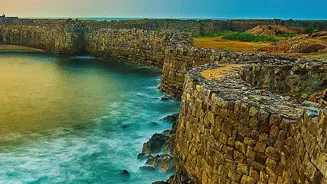
Today’s heritage traveller is looking for more than a postcard picture; they seek authentic experiences and tangible connections to the past. Coastal forts like Murud-Janjira and the nearby Sindhudurg Fort, built by Chhatrapati Shivaji Maharaj, offer just that. Visitors can walk the same ramparts where soldiers once stood guard, touch the cannons that fought off invaders, and enjoy the same panoramic sea views. The rise of social media has also played a role, with the dramatic landscapes of sea, stone, and sky making these forts highly 'Instagrammable' spots. This digital word-of-mouth further fuels interest, turning historical sites into dynamic destinations for a younger, curious audience.
Preserving Living History
The growing interest in coastal forts is a double edged sword. While it brings economic benefits to local communities through tourism, it also puts pressure on these fragile structures. Many forts along the Konkan coast are battling the relentless forces of nature and require significant conservation efforts. For the heritage traveller, a visit is also an opportunity to appreciate the importance of preservation. These forts are not merely ruins; they are living museums that tell the story of India's maritime strength, architectural ingenuity, and complex history. They stand as proud symbols of a rich coastal heritage, waiting to be explored responsibly by those who seek to understand their glorious past.