



As temperatures drop, our skin often pays the price. The combination of cold outdoor air and dry indoor heat can lead to itchiness, flaking, and irritation. Here’s a detailed guide to keeping your skin hydrated, healthy, and comfortable all winter long.
Why Winter Weather Harms Your Skin
The discomfort of 'winter skin' is a response to environmental stress. Cold air holds less moisture than warm air, which means humidity levels plummet outdoors. When you move inside, centrally heated air is even drier, creating a desert-like environment that pulls moisture directly from your skin. This process, known as transepidermal water loss, weakens your skin's natural protective barrier. A compromised barrier can't effectively hold onto hydration, leading to common symptoms like tightness, a rough or flaky texture, redness, and itching. Even hot showers, which feel comforting in the cold, strip away the natural oils that are crucial for keeping your skin protected.
Adjust Your Cleansing Routine
The first step in winter skin defense is to wash gently. Many foaming or gel cleansers that feel refreshing in summer can be too harsh for winter, stripping away necessary oils. Dermatologists recommend switching to a cream-based, hydrating, or milky cleanser that cleans without disrupting the skin barrier. Look for products labeled 'gentle' and avoid those with alcohol or heavy fragrances, which can further dry and irritate the skin. It's also wise to use lukewarm water instead of hot water, as high temperatures accelerate moisture loss. For very dry skin, some experts suggest cleansing just once a day in the evening and simply rinsing with water in the morning.
Master the Art of Moisturising
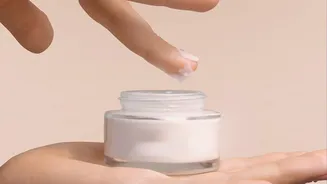
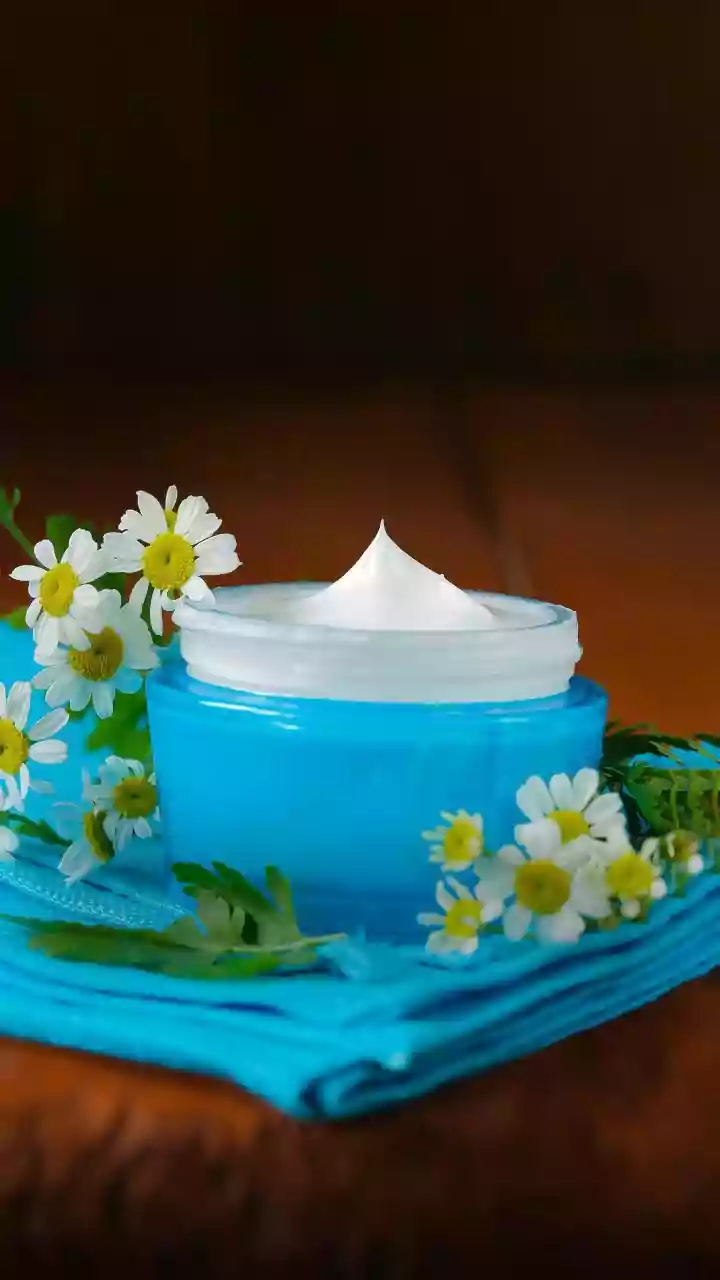
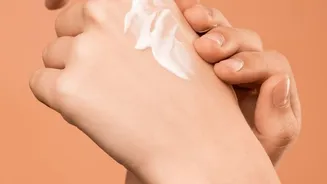
In winter, your lightweight summer lotion likely won't be enough. It's time to switch to a richer, thicker cream or ointment to provide a more substantial barrier against moisture loss. Look for key ingredients that hydrate and repair. Humectants like hyaluronic acid and glycerin draw moisture into the skin. Ceramides are crucial lipids that act like the 'glue' holding skin cells together, strengthening the barrier and sealing in hydration. Other beneficial ingredients include emollients like shea butter and niacinamide, which soothes redness and supports barrier function. For the best results, apply your moisturizer to damp skin—such as immediately after a shower—to lock in that extra hydration.
Protect Exposed Skin From the Elements
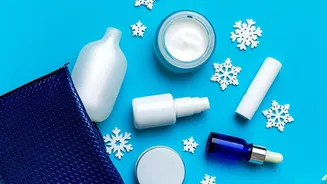
Any skin left exposed to the cold and wind is vulnerable. Before heading outside, create a physical barrier to prevent windburn and moisture loss. Wear soft, non-irritating protective clothing like gloves, a hat, and a scarf. For your face, a barrier cream or a thicker moisturizer can help shield it from the harsh air. Lips are especially susceptible to chapping and cracking because their skin is so thin. Use a moisturizing lip balm containing ingredients like beeswax or shea butter, and reapply it often throughout the day, especially before going outdoors.
Don't Forget Yearless Sunscreen
It's a common mistake to pack away the sunscreen once summer ends, but UV rays are a threat yearround. In fact, sun reflecting off snow can be particularly strong, increasing your risk of damage. Continue to apply a broadspectrum sunscreen with an SPF of 30 or higher to all exposed areas, including your face, neck, and hands, every single day. During winter, you may want to opt for a more moisturizing sunscreen formula, such as a cream instead of a lightweight lotion or spray, to add another layer of hydration and protection.
Improve Your Indoor Environment
Since dry indoor air is a major culprit, modifying your home environment can make a significant difference. Using a humidifier adds muchneeded moisture back into the air, helping both your skin and your sinuses. Placing one in your bedroom to run overnight is particularly effective for keeping skin hydrated while you sleep. It's also important to hydrate from the inside out by drinking plenty of water throughout the day. Eating waterrich foods can also contribute to your overall hydration levels, supporting your skin from within.