





The Anatomy of a Simple Dish
Let's take a seemingly straightforward cafe favourite: a grilled chicken sandwich. On the surface, the costs seem obvious: bread, a chicken breast, a slice of cheese, and some lettuce. These are the stars of the show, the items that customers see and taste
most prominently. A restaurant owner will know the exact cost of that 150-gram chicken breast and the two slices of whole wheat bread. These primary components form the foundation of the dish's cost, and they are tracked carefully. For most restaurants, the cost of raw ingredients ideally falls between 28-35% of the menu price. This percentage allows the business to cover all other expenses—like rent, salaries, and utilities—and hopefully, make a small profit. But the cost of the main items is only the beginning of the story.
The 'Invisible' Costs on the Plate
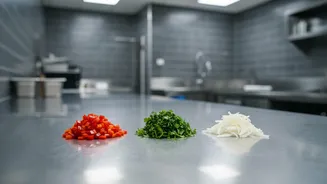
Here is where the real accounting begins. Think about the process. The chicken was likely marinated. That marinade included oil, vinegar, herbs, salt, and pepper. Each of those ingredients has a cost. The bread wasn't just plain; it was spread with a thin layer of butter or mayonnaise. The sandwich might have come with a side of ketchup or a special house sauce. Then there's the garnish—a sprig of parsley or a few olives on the side. These items are often referred to as the 'Q Factor' in the restaurant industry. They are the small, often overlooked extras that accompany a dish. While a pinch of salt or a single parsley leaf costs a minuscule amount on its own, they add up significantly over hundreds or thousands of servings. Professionals estimate that these 'invisible' costs can add an extra 5-10% to a dish's raw ingredient cost. Ignoring them can lead to a menu that looks profitable on paper but loses money in reality.
From the Restaurant to Your Kitchen
This dish-level budgeting isn't just a lesson for restaurateurs; it’s a powerful tool for the home cook. How often do you consider the cost of the teaspoon of mustard in a dressing, the cloves of garlic in a pasta sauce, or the imported paprika you sprinkle over a dish? While you may not be aiming for a 30% food cost target, understanding these micro-costs can transform your grocery shopping and meal planning. By recognising that the 'small stuff' adds up, you can make more conscious decisions. Perhaps you'll use that expensive saffron more sparingly or find a more affordable alternative for everyday cooking. It encourages a mindset of efficiency and waste reduction. Using a whole bunch of fresh coriander before it wilts, for instance, is more cost-effective than letting half of it go bad in the fridge. Thinking like a chef means valuing every single ingredient, no matter how small.
More Than Just Food on a Plate
It’s also crucial to remember that when you buy a dish at a restaurant, you're paying for much more than just the ingredients. The final menu price is a complex calculation that has to cover a vast array of overheads. This includes the chef's expertise and the kitchen staff's labour, the electricity for the ovens and the water for washing dishes, the rent for the building, and even the cost of marketing to bring customers in the door. Breakage, spoilage, and general food waste are also factored in. So, while the raw ingredients of that chicken sandwich might only cost a fraction of its menu price, the final price reflects the entire ecosystem required to bring that sandwich to your table, perfectly grilled and elegantly presented.