
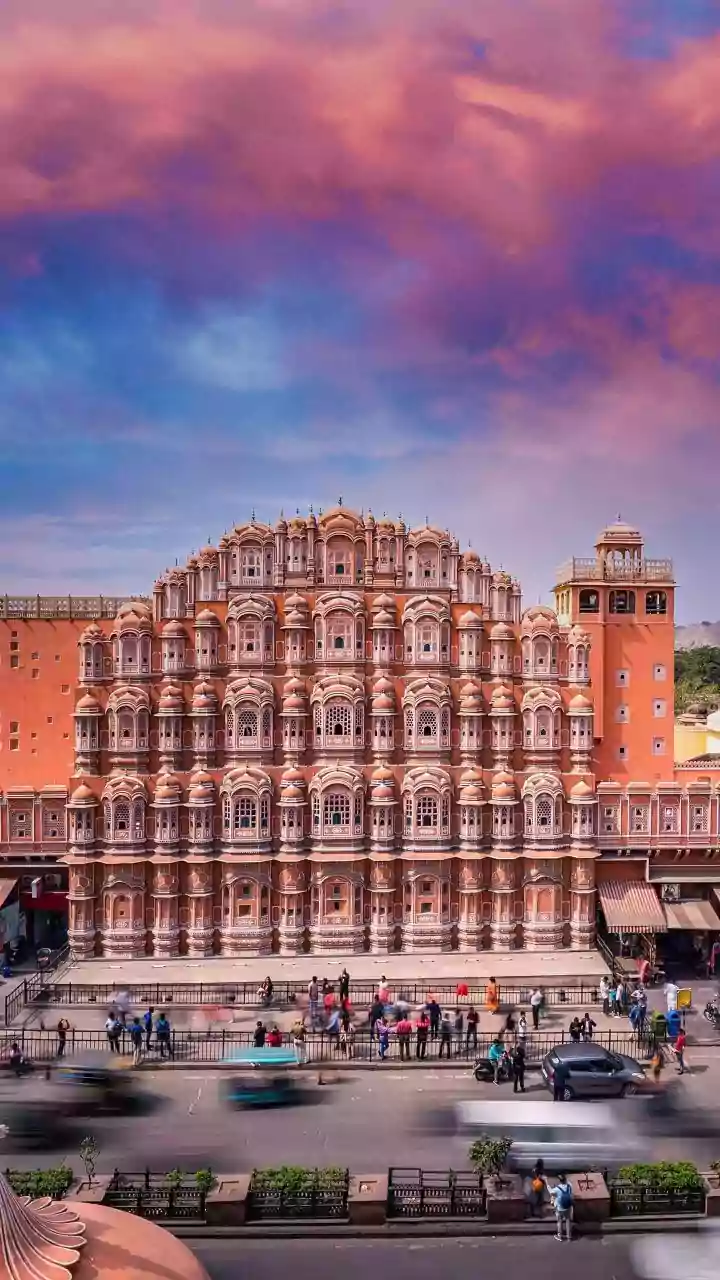
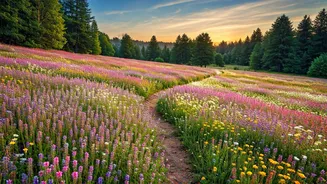
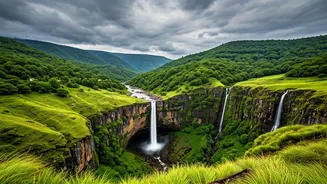
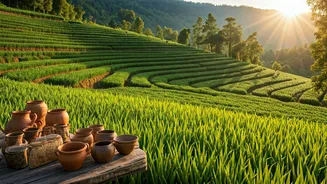


From 'Stay In' to 'Step Out'
For generations, the monsoon was the off-season for Indian tourism. Travel was seen as impractical, messy, and limited. The conventional wisdom was to wait for the clearer skies of autumn. Today, that notion feels decidedly outdated. The months from June
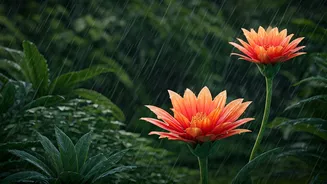
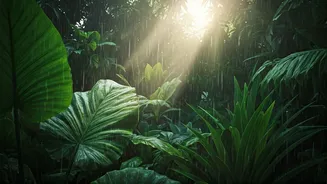
to September are no longer a write-off; instead, they have become a vibrant, sought-after period for a specific type of traveller. The lure of discounted hotel rates and smaller crowds has been replaced by a more powerful driver: the desire for unique experiences that are only possible, or are enhanced by, the rain. This isn't just about getting away. It's about engaging with the season in a way that feels intentional and enriching, turning the once-dreaded rains into the main attraction.
More Than Just a Destination
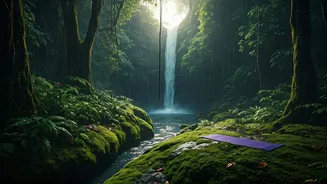
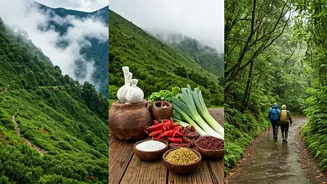
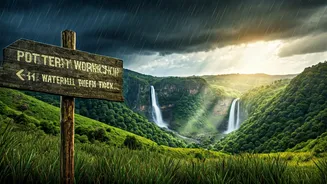
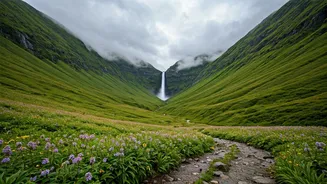
So, what exactly is 'experience-first' travel? It’s a fundamental shift in mindset. Instead of picking a place and then figuring out what to do, travellers are now choosing an activity and finding the best place to do it during the monsoon. This could mean signing up for a pottery workshop in the misty hills of Andretta, Himachal Pradesh, where the clay feels different in the damp air. It could be a guided foraging trail in the Western Ghats, learning to identify edible plants that flourish in the wet season. Or it might be a multi-day trek to the Valley of Flowers in Uttarakhand, which is at its absolute peak bloom during the monsoon. The destination becomes the setting, but the experience itself—the learning, the activity, the connection—is the real reason for the journey. It prioritises participation over passive observation.
Why Now? The Forces at Play
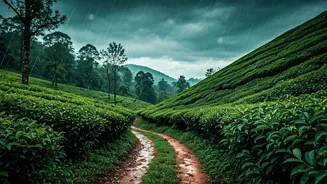
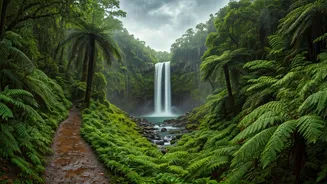
Several factors are fuelling this mainstream shift. The post-pandemic world has left many with a deep-seated craving for authenticity and a connection to nature. We're less interested in cookie-cutter holidays and more drawn to meaningful pursuits. Social media plays a huge role; a single, stunning Instagram reel of a waterfall in full spate in Meghalaya or a misty tea garden in Munnar can inspire thousands. Furthermore, improved infrastructure, including better roads and connectivity, has made once-inaccessible regions reachable even during heavy rains. A growing demographic of young, independent professionals with disposable income and a flexible work culture is also key. They are less bound by traditional holiday calendars and more willing to embrace the spontaneity of a monsoon road trip.
Where the Rain Takes You
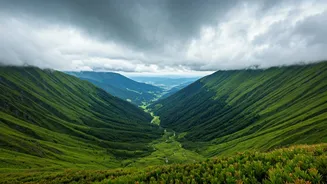
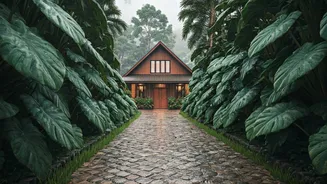
While classic monsoon destinations like Goa and Kerala remain popular, the focus has changed. In Goa, travellers are skipping the beach shacks and instead booking stays at hinterland villas for yoga retreats or exploring lush spice plantations. In Kerala, it's less about the backwaters and more about Ayurvedic wellness treatments, which are believed to be more effective in the moist, cool monsoon weather. Beyond these mainstays, new hotspots are emerging. The otherworldly landscapes of Meghalaya, with its living root bridges and roaring waterfalls, have become a pilgrimage site for monsoon lovers. Similarly, destinations like Coorg in Karnataka, Panchgani in Maharashtra, and the less-explored parts of the Konkan coast are buzzing with visitors seeking trekking, culinary tours, and farm-stay experiences that come alive with the rains.
A Welcome Boost for Local Tourism
This trend is more than just a win for adventurous travellers; it's a significant economic boon for local communities. By turning the traditional 'off-season' into a new 'peak season', experience-first monsoon travel helps create year-round employment in the hospitality industry. Homestays, local guides, small cafes, and artisans who once saw their income dwindle during the rains are now finding a steady stream of business. It encourages a more sustainable model of tourism, spreading visitors throughout the year and reducing the pressure on infrastructure during the traditional peak seasons. This shift helps build more resilient local economies that are not solely dependent on fair-weather tourists.