





The Power of Compartments
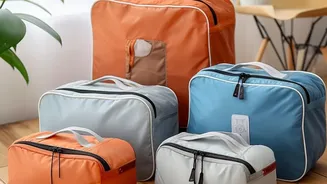
At their core, packing cubes are zippered fabric containers that act like portable drawers for your luggage. Their purpose is simple yet revolutionary: to bring order to the chaos of an open suitcase. Instead of a jumbled pile of clothes, you get neat,
manageable compartments. This system allows you to categorise your belongings, making it easy to find what you need without unpacking everything. Think of it as creating zones in your suitcase — one for tops, one for bottoms, another for underwear. This organisation not only saves you from frantic searching upon arrival but also helps streamline security checks if your bag needs to be inspected. You can simply move the cubes directly into hotel drawers, making unpacking and repacking a matter of seconds.
Choose Your Cubes Wisely
Not all packing cubes are created equal. They come in various sizes, materials, and types. Standard cubes are fantastic for general organisation, typically made from durable but lightweight nylon or polyester. For those looking to maximise every inch of space, compression cubes are a game-changer. These feature a second zipper that, when closed, squeezes out excess air from your clothes, significantly reducing their volume. This is especially useful for bulky items like sweaters or jackets. A good strategy is to have a mix of sizes: a large cube for trousers and sweaters, a medium one for T-shirts and dresses, and a small one for socks and underwear. Look for durable materials and strong zippers to ensure they last for years of travel.
The Rolling vs. Folding Debate
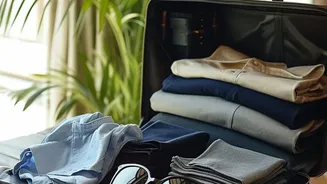
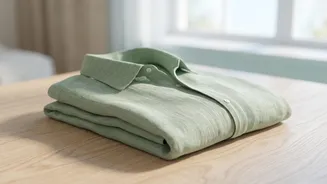
How you put clothes into the cubes matters. While folding is fine for structured items like blazers or dress shirts, rolling is the superior method for most travel clothing. Rolling your garments tightly before placing them in a cube compresses them and minimises the hard creases that folding can create. For items like T-shirts, shorts, and casual dresses, rolling saves a significant amount of space by eliminating the air pockets that form between folded layers. The best approach is often a hybrid one: roll most of your clothes, then lay any easily wrinkled, folded items flat on top of the packed cubes in your suitcase. This combination of rolling clothes and using cubes offers the highest space savings and keeps your items organised and relatively wrinkle-free.
A Seven-Day Strategy
For a week-long trip, a simple and repeatable system is your best friend. Start by planning your outfits. A good rule is to pack versatile pieces where every top can be worn with every bottom. Then, assign your cubes. A common and effective method is to pack by clothing category. Use a large cube for your bottoms and any bulkier layers like a fleece or knit sweater. A medium cube can hold four to six tops, such as T-shirts and blouses. A small cube is perfect for a week's worth of underwear and socks. You can also dedicate a cube to specific activities, like swimwear and a coverup for the beach, or workout gear for the gym. It's also wise to designate one cube as your laundry bag from the start to keep dirty clothes separate from clean ones.
Playing Suitcase Tetris
Once your cubes are packed, the final step is arranging them in your suitcase. Think of it like a game of Tetris. Start by placing the largest and heaviest cubes at the bottom of your suitcase, near the wheels. This helps keep the bag stable and prevents it from tipping over. Fit the smaller cubes around the larger ones, filling in the gaps. Shoes, which can be placed in a separate bag or a dedicated shoe cube, can be tucked into the sides. Any remaining gaps can be filled with smaller, loose items. The goal is to create a dense, solid block of packed cubes that won't shift during transit. This not only makes the most of your space but also further protects your clothes from getting tossed around and wrinkled.