



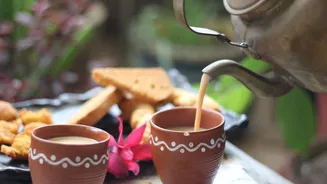


What 'Fresh' Really Means for Tea
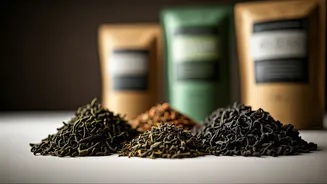
When we think of 'fresh', we might imagine leaves plucked straight from the bush. While that's part of it, freshness in tea is more about preservation. After being harvested, tea leaves are processed to develop their unique characteristics. Freshness
means these leaves have been properly processed, stored away from air and moisture, and sold within a reasonable timeframe to preserve their natural essential oils. Over time, these oils, which are the source of tea's aroma and flavour, fade. An old, stale tea will taste flat and lifeless, often leading you to over-boil it, which only creates bitterness. Fresh tea, by contrast, offers a stronger aroma, a richer colour, and a smoother, more balanced flavour. The peak freshness window varies by tea type: delicate white teas are best within six months, green teas within a year, and more robust, oxidised black teas within about 18 months.
The Journey from Leaf to Cup
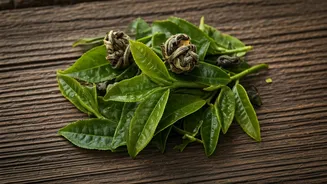
The quality of tea is determined long before it reaches your cup. It begins with the leaf itself. Premium teas often use only the youngest, most tender shoots, which are hand-plucked to ensure they remain whole and undamaged. This careful handling is crucial because whole leaves retain their essential oils far better than the broken pieces and dust found in many mass-produced tea bags. Machine processing, often called the Crush, Tear, Curl (CTC) method, breaks leaves into small particles for a quick, strong brew but sacrifices the nuanced, complex flavours that whole leaves provide. Opting for loose-leaf tea gives you a better chance of getting whole leaves that can fully unfurl and release their true character. It's the first step towards a more authentic and flavourful experience.
Decoding 'Honest Flavours'
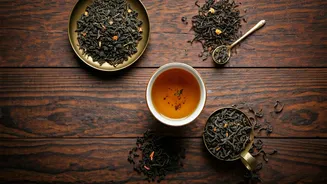
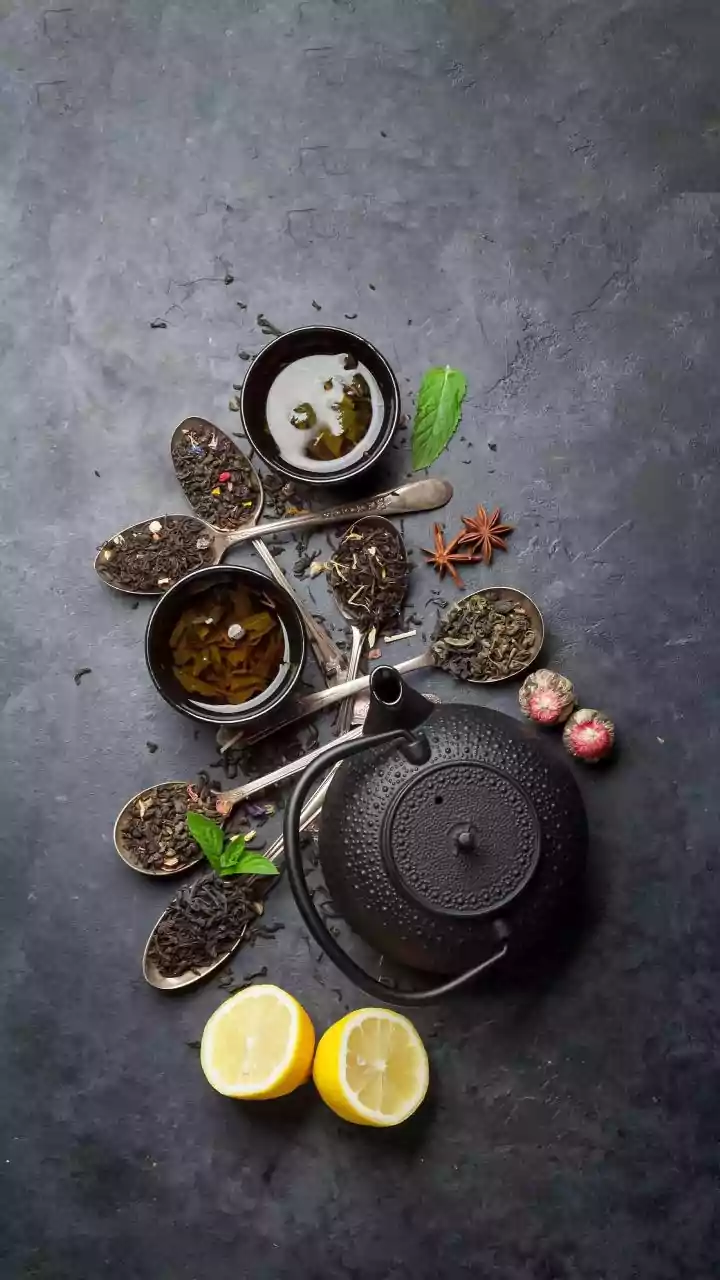
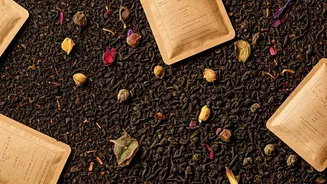
An 'honest flavour' is one that is true to its ingredients. It reflects the integrity of the plant it came from, whether that’s the Camellia sinensis tea plant or the flowers, herbs, and spices blended with it. High-quality tea should have a complex, clean taste without artificial enhancement. Many flavoured teas on the market use artificial or 'nature-identical' flavourings, which are created in a lab to mimic natural scents and tastes. While not harmful, these can sometimes be used to mask lower-quality base tea. Truly honest flavours come from real inclusions—bits of dried fruit, flower petals like jasmine or rose, and whole spices like cardamom and cinnamon—or from traditional scenting processes where tea leaves naturally absorb the aroma of fresh flowers. When you read an ingredient list, look for simplicity and recognizable components. If it lists 'artificial flavours', you're moving away from the tea's natural state.
Single-Origin vs. Blends: A Matter of Taste
The concept of 'honest flavours' also touches on the difference between single-origin teas and blends. A single-origin tea comes from one specific region or even a single farm. This allows it to express its unique 'terroir'—the specific character of the soil and climate—offering a pure and distinct taste experience. However, this also means its flavour can vary from year to year. Blends, on the other hand, combine teas from various sources to create a consistent and balanced flavour profile. Your classic English Breakfast is a perfect example of a blend designed for reliability. Neither is inherently better; it's a choice between the unique, traceable character of a single-origin and the crafted harmony of a blend. Exploring both can help you appreciate the full spectrum of what tea has to offer.