







As Indian cities grapple with increasingly severe monsoon flooding, traditional concrete infrastructure often falls short. What if the solution isn't more concrete, but more nature? Enter urban wetlands, a powerful, low-cost ally in the fight for flood-resilient
cities.
Turning Concrete Jungles into Sponge Cities
For decades, the answer to urban flooding has been 'grey' infrastructure: concrete drains, channels, and levees designed to whisk rainwater away as fast as possible. Yet, as cities like Mumbai, Chennai, and Kolkata have seen, this approach is struggling. Rapid, often unplanned urbanisation replaces soil and greenery with impermeable surfaces like asphalt and concrete. When heavy rains hit, the water has nowhere to go, overwhelming drainage systems and causing devastating floods. The concept of a 'sponge city' offers a different vision. Instead of fighting water, it aims to work with it. By integrating nature-based solutions like wetlands, cities can absorb, store, and slowly release rainwater, much like a natural sponge. This approach turns a hazard into a resource, reducing flood risk while replenishing groundwater.
How Nature's Engineering Fights Floods
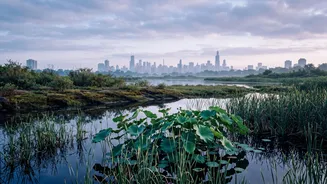
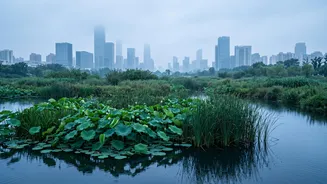
Urban wetlands—which include marshes, ponds, and restored floodplains—are masterful water managers. Their vegetation and soil act as a natural barrier, slowing down the flow of stormwater runoff. This simple act of slowing water down reduces the peak flow that overwhelms urban drains. Maintaining just 15% of a watershed's area as wetlands can cut flood peaks by as much as 60%. The water is then held in the wetland, where it can seep into the ground to recharge aquifers or be released slowly back into rivers and streams long after the storm has passed. This natural process of absorption and filtration is a stark contrast to concrete channels that simply move the flood problem downstream at high speed.
The Economic Advantage of Going Green
While creating a wetland might sound expensive, it is often significantly more cost-effective than building and maintaining traditional grey infrastructure. Studies have shown that nature-based solutions can be up to 50% cheaper than their concrete counterparts over their lifecycle. The U.S. Environmental Protection Agency estimates cost savings ranging from 15% to 80%. This is because grey infrastructure comes with high upfront construction costs and expensive ongoing repairs. In contrast, a well-designed wetland is a self-sustaining ecosystem that requires less intensive maintenance. When considering the 'co-benefits'—the additional advantages beyond flood control—the economic argument becomes even stronger. One study found that for every dollar invested, green infrastructure provides significantly more value than grey infrastructure.
More Than Just Flood Control
The 'ecosystem solutions' mentioned in the headline refer to the wealth of extra benefits wetlands provide. These ecosystems are biodiversity hotspots, providing critical habitats for birds, fish, and insects within urban areas. They act as natural water purifiers, filtering pollutants and improving the quality of water that flows through them. Urban wetlands also help combat the 'urban heat island' effect by cooling the surrounding air, and they act as powerful carbon sinks, sequestering more carbon than even tropical rainforests. Furthermore, these green spaces offer invaluable recreational and wellness opportunities for city dwellers, providing areas for walking, birdwatching, and connecting with nature.
The Path Forward for Indian Cities
Despite the clear benefits, implementing urban wetlands faces challenges, including competition for land, pollution, and a historical reliance on conventional engineering. Overcoming these hurdles requires a shift in policy and public perception. However, there are promising signs. The East Kolkata Wetlands, for instance, have long served as a natural sewage treatment system and flood defense for the city, demonstrating the power of a symbiotic relationship between a city and its wetlands. Cities like Chennai are also exploring 'sponge parks' with artificial ponds and rain gardens to absorb floodwater. For these solutions to become widespread, city administrations, supported by national initiatives like the Ministry of Environment, Forest and Climate Change's 'Wetlands of India' portal, need to champion these projects, engage local communities, and integrate nature-based solutions into the core of urban planning.