



Cosmic Time Capsules
Billions of years ago, our solar system was a chaotic construction zone. Dust and gas coalesced into small celestial bodies called planetesimals, the fundamental building blocks of planets. Through countless collisions and gravitational nudges, these
planetesimals gradually clumped together to form larger protoplanets, and eventually, the planets we know today. However, not all planetesimals made it. Many were shattered in cosmic collisions or flung into stable orbits, where they remain today as asteroids. These remnants are not just space rocks; they are pristine artifacts from a time before Earth even existed, offering direct clues about the conditions and materials that forged our planetary neighborhood.
A Window into Planetary Cores
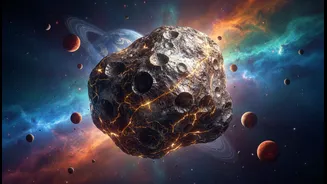
Among the most intriguing of these remnants are the M-type, or metallic, asteroids. Scientists believe many of these are not just any leftover rock, but the exposed iron-nickel cores of shattered planetesimals. On planets like Earth, the heavy metallic core is buried deep beneath thousands of kilometers of mantle and crust, forever beyond our direct reach. A trip to Earth's core is pure science fiction. But a journey to a metallic asteroid like 16 Psyche could be the next best thing. By studying these objects, scientists hope to, in effect, visit the inside of a planet. It's an unprecedented opportunity to understand the violent history of collisions that created terrestrial planets and learn about the mysterious iron cores that generate magnetic fields, a key ingredient for habitability.
The Quest for Psyche
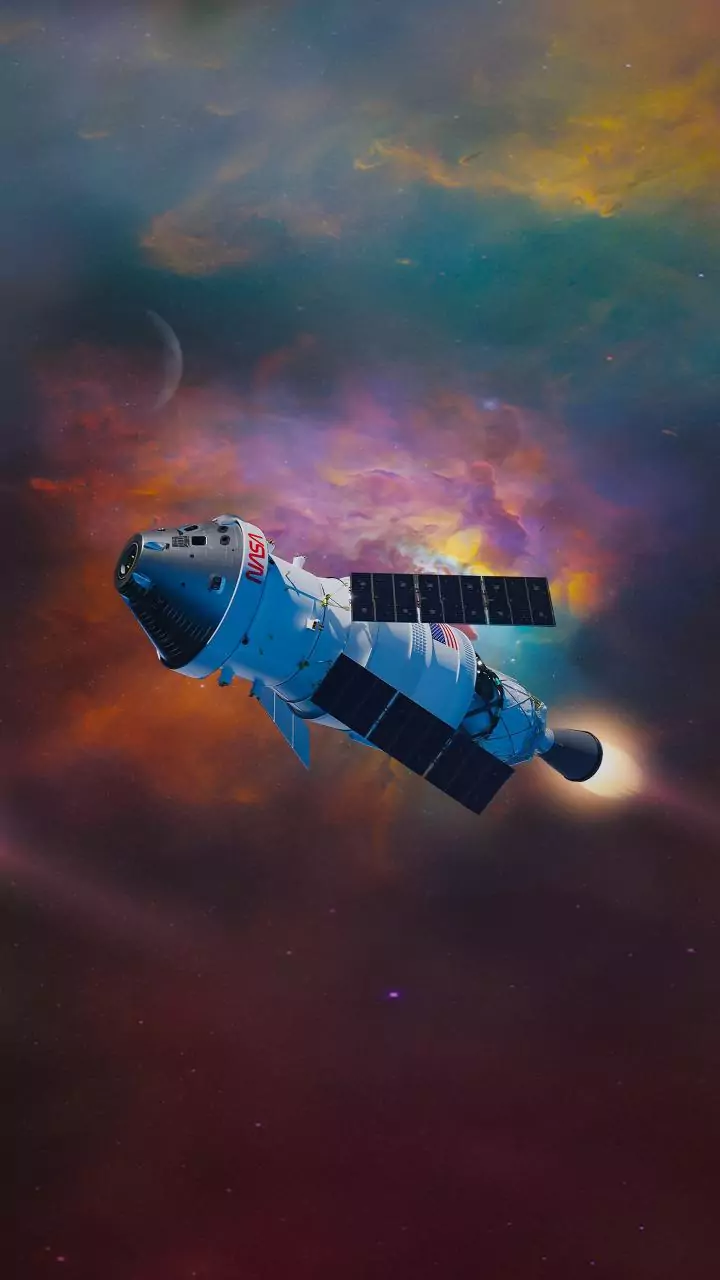
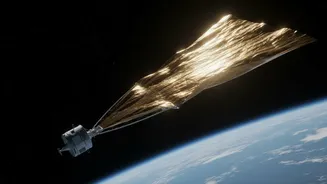
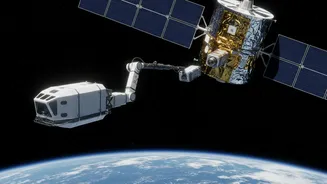
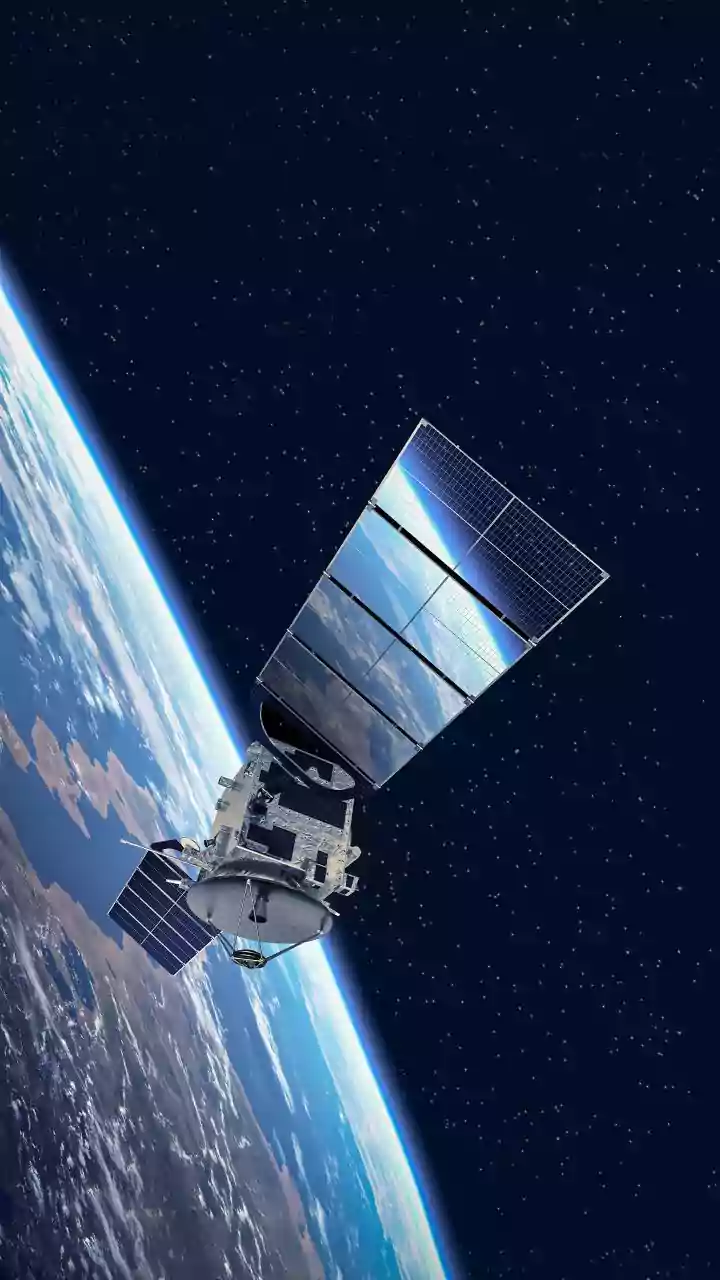
This is why NASA has dispatched a mission to the most famous metallic asteroid of them all: 16 Psyche. Launched in October 2023, the Psyche spacecraft is on a multi-year journey to this unique world located in the main asteroid belt. After a planned gravity-assist flyby of Mars in May 2026, the probe is set to arrive at the asteroid in August 2029. Once there, it will spend over two years orbiting the asteroid, using a suite of instruments including a magnetometer and multispectral imager to map its surface and determine its composition. The central goal is to determine if Psyche is truly the exposed core of a protoplanet or something else entirely, like unmelted primordial material. Either discovery would rewrite our understanding of how planets form.
From Science to Fortune
While the scientific value is immeasurable, the term "metallic fortunes" in the headline is not just a metaphor. These asteroids are thought to be packed with vast quantities of iron, nickel, cobalt, and even precious metals like platinum and gold. Some estimates suggest the value of the metals within 16 Psyche alone could be worth thousands of times the global economy. While large-scale asteroid mining is still decades away from reality, the prospect is driving significant interest and technological development. Proponents argue that tapping into these resources could fuel a new space economy, provide materials for in-space construction, and reduce the environmental toll of terrestrial mining. The same technologies developed for scientific exploration are the foundational steps toward one day accessing this cosmic treasury.
Reading the Cosmic Blueprint
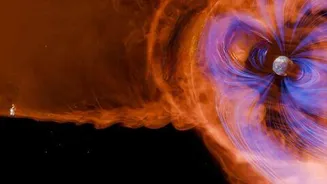
Ultimately, the search for these metallic fortunes is about reading the blueprint of our solar system. The data gathered by the Psyche mission will help scientists test theories about planetary accretion and differentiation. For example, by measuring Psyche's magnetic field, or lack thereof, scientists can infer whether it was once part of a larger, differentiated body that generated a dynamo like Earth's. Analyzing its elemental composition could reveal if it contains the same lighter elements expected to be in Earth's core. Recent analysis of iron meteorites, which are fragments of these bodies, has already challenged old models, suggesting our early solar system may have looked more like a donut than a dartboard. Each metallic asteroid is a piece of this grand puzzle, holding answers to how we got here and where the resources for our future might lie.