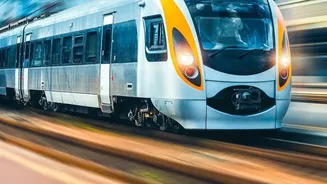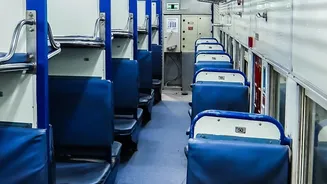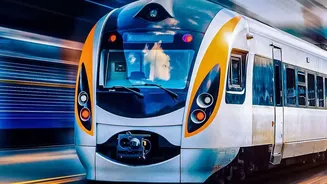


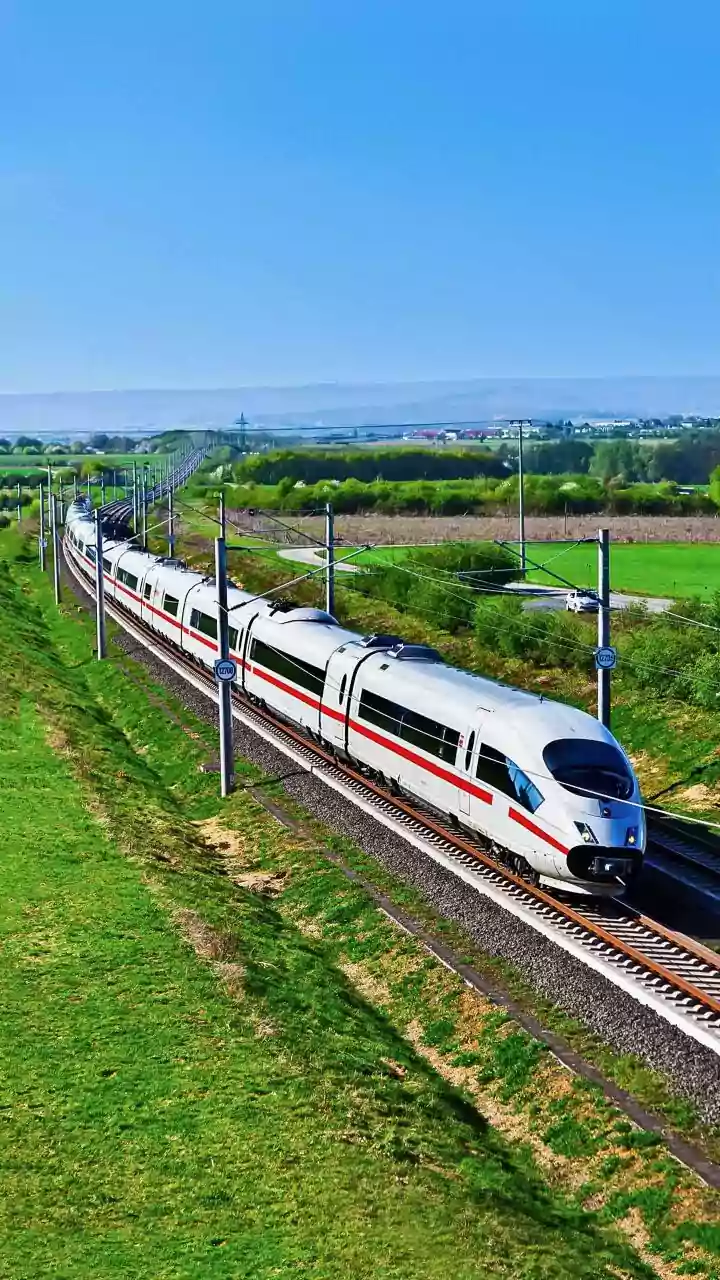

The Vande Bharat Express represents a leap forward in Indian rail travel, but catering has been a persistent issue. Now, IRCTC is tackling complaints head-on with a trial on three routes, putting passenger feedback at the heart of the solution.
A Response to Passenger Complaints
For years,
passengers on India's premier trains have voiced concerns about the quality, hygiene, and consistency of onboard meals. Issues ranging from cold or stale food to a lack of variety have been common grievances. In response to this feedback, the Indian Railway Catering and Tourism Corporation (IRCTC) has launched a pilot project aimed at revamping the entire catering experience. The initiative, which began on November 1, 2026, is a direct attempt to address the frequent complaints and align the food service with the high standards of the Vande Bharat trains themselves. The goal is to create a more reliable and enjoyable dining experience for travellers on these long-distance journeys.
The Three Trial Routes
The new catering system is currently being tested on three specific Vande Bharat sleeper train routes. These routes are the New Delhi-Varanasi, Mumbai-Bengaluru, and Howrah-Kamakhya (Guwahati) services. By focusing on these three key long-distance sleeper services, IRCTC can gather comprehensive data on how the changes perform during overnight journeys, where multiple meals are served. The selection of these routes allows for a diverse testing ground, covering different regions and passenger demographics. The success of the trial on these trains will determine whether the new model is rolled out across the wider network of Vande Bharat and other premium trains.
What's New: A 'Less is More' Approach
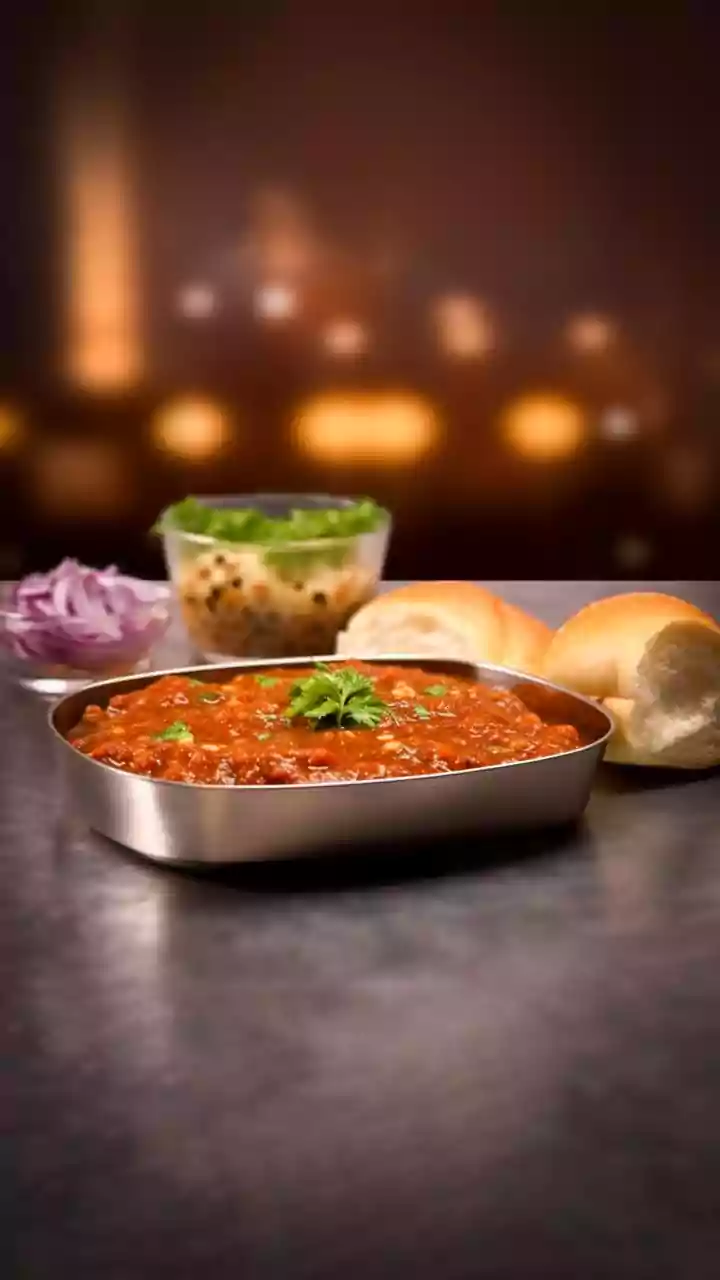
The core of the new trial is a simplified, airline-style menu. Instead of a large platter with eight to ten items, meals now consist of four main components. For example, on the Mumbai-Bengaluru route, breakfast options have been streamlined to choices like idli-vada, poha, or upma. Items such as soup, sandwiches, buttermilk, and chocolates have been removed from the breakfast service. Similarly, for lunch and dinner, the meal now comprises chapati, rice, dal, and one main dish (with a choice between a vegetable or chicken option), while extras like a second dry vegetable, curd, salad, and pickles have been eliminated. This reduction has also decreased the meal's weight from around 700-750 grams to 450-500 grams, though IRCTC states portion sizes of the main items remain the same.
Focus on Quality and Professional Partners
The 'less is more' philosophy is designed to enhance quality control. Officials believe that by focusing on fewer dishes, catering teams can ensure each item is prepared to a higher standard, served fresh, and remains consistent. To achieve this, IRCTC has moved away from traditional vendors for this trial and partnered with major hospitality groups and cloud kitchens. These partners include well-known names like TajSATS for the Mumbai-Bengaluru route, the Mayfair Group for the Howrah-Kamakhya line, and the Sarovar Portico Group for the New Delhi-Varanasi service. This move de-links meal preparation from on-board service, allowing for food to be cooked in professional, controlled kitchens before being delivered to the train.
Listening to the Customer
The most crucial component of this trial is the emphasis on passenger feedback. IRCTC is actively evaluating customer responses to the new, compact menu to decide on the future of train catering. This feedback will determine if the streamlined approach is a success and whether it should be expanded to other Vande Bharat services and potentially all long-distance trains across the Indian Railways network. Early reports from IRCTC's West Zone have already indicated a 10% drop in catering-related complaints since the new arrangements were implemented, suggesting the changes are having a positive impact. By systematically collecting and analysing passenger opinions, the railways aim to build a catering model that truly meets customer expectations for quality and service.